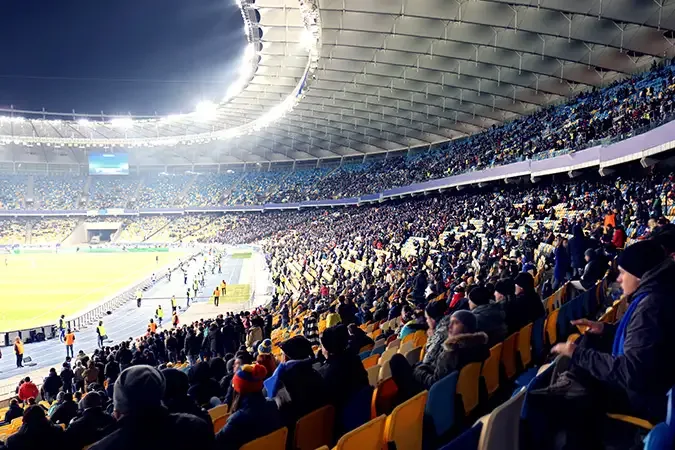
Brisbane’s event industry is undergoing a noticeable transformation. While entertainment, sport and cultural gatherings continue to attract larger audiences each year, organisers are increasingly recognising that successful events depend on more than attendance numbers alone. Crowd wellbeing, environmental conditions and public safety planning have become central to how modern events are designed and managed across the city.
This shift reflects broader changes occurring throughout Australia. Public expectations around safety have evolved significantly, especially after years of increased awareness surrounding emergency preparedness, weather disruption and large-scale crowd management. Today’s attendees expect public gatherings to feel organised, accessible and responsive without appearing heavily controlled. Achieving that balance requires careful planning long before the first visitor arrives.
One of the key reasons for this change is Brisbane’s unique climate. Outdoor events remain popular throughout much of the year, but high humidity, sudden storms and extended heat can affect crowd behaviour quickly. Researchers studying public gatherings consistently note that environmental stress influences movement patterns, patience levels and decision-making. Even minor discomfort can contribute to congestion or confusion when large groups are involved.
This has made event security an increasingly strategic part of event planning rather than simply an operational requirement. Security teams are now often involved during the earliest planning stages to help identify potential pressure points such as narrow walkways, queue bottlenecks, shaded gathering areas and emergency access routes. The focus has shifted towards prevention, coordination and crowd comfort rather than reactive intervention alone.
Technology is also influencing the way events are managed. Digital ticketing, temporary communication systems and live crowd monitoring tools have become more common across major Australian gatherings. These systems can help organisers understand crowd flow in real time and respond more effectively to changing conditions. However, experts continue to stress that technology works best when combined with strong human judgement and situational awareness.
This broader perspective is shaping how security services Brisbane are discussed within the event industry. Public safety is increasingly viewed as a collaborative process involving organisers, venue operators, transport authorities and emergency responders. Rather than relying on visible enforcement alone, modern event management focuses on communication, accessibility and calm crowd guidance.
Another important trend is the rise of mixed-audience events. Brisbane now hosts a growing number of festivals, food markets and public programs designed to appeal to families, tourists, young adults and older residents simultaneously. Different groups respond differently to noise, delays, weather exposure and movement restrictions. This diversity requires more flexible planning strategies than traditional one-size-fits-all approaches.
In practical terms, this means modern security for events often includes behavioural observation as much as physical monitoring. Staffs are trained to identify early signs of stress, confusion or crowd frustration before situations escalate. Clear signage, visible help points and effective communication can often reduce tension more effectively than reactive measures introduced after problems develop.
Urban growth within Brisbane has also changed how public gatherings interact with surrounding infrastructure. Large events frequently overlap with transport hubs, riverside precincts and busy entertainment areas. Crowd movement therefore extends beyond venue boundaries into surrounding streets, public transport stations and pedestrian routes. This has made integrated planning increasingly important, especially during major sporting fixtures and seasonal festivals.
Within this changing landscape, the role of a security guard Brisbane has expanded considerably. The position now involves much more than monitoring entrances or responding to isolated incidents. Guards may assist with crowd direction, support welfare responses, identify hazards or help manage evacuations during sudden weather changes. Calm communication and situational awareness are now considered essential skills alongside traditional security responsibilities.
Another emerging factor is the increasing importance of mental comfort within public spaces. Research into crowd psychology suggests people are more likely to remain calm and cooperative when environments feel organised and predictable. Well-managed entry systems, visible staff presence and clear movement pathways all contribute to a sense of safety even when attendance numbers are high.
Importantly, the conversation around public safety is becoming more proactive rather than reactive. Organisers are learning that successful crowd management often depends on small details introduced early in the planning process. Shade placement, water access, queue spacing and transport coordination can significantly influence how smoothly an event operates.
This evolution reflects a broader cultural shift in Australia’s public event industry. Safety is no longer treated as a hidden operational layer working behind the scenes. Instead, it is increasingly recognised as part of the overall attendee experience. A well-managed environment supports not only physical security but also comfort, accessibility and confidence.
As Brisbane continues to host larger and more diverse gatherings, crowd wellbeing is likely to remain a defining focus for future events. The most successful public spaces will not necessarily be the biggest or busiest, but the ones designed thoughtfully enough to help people feel safe, informed and comfortable throughout the experience.
Author Bio:
This article was written by Sam, a researcher focused on public risk management and event security, analysing evolving safety trends across major Australian events and gatherings.