Himalayan cuisine is known for its comforting dishes, aromatic spices, and traditional cooking methods. Beyond savory favorites such as momos, curries, and noodle soups, this diverse food culture also offers delightful desserts that bring sweetness to everyday meals and special celebrations. From creamy rice puddings to syrup-soaked sweets, Himalayan desserts reflect the region’s traditions, local ingredients, and love for homemade flavors.
For anyone exploring Himalayan cuisine, traditional desserts offer another way to discover the rich food heritage shared across Nepal, India, and neighboring Himalayan communities.
1. Kheer: A Classic Rice Pudding
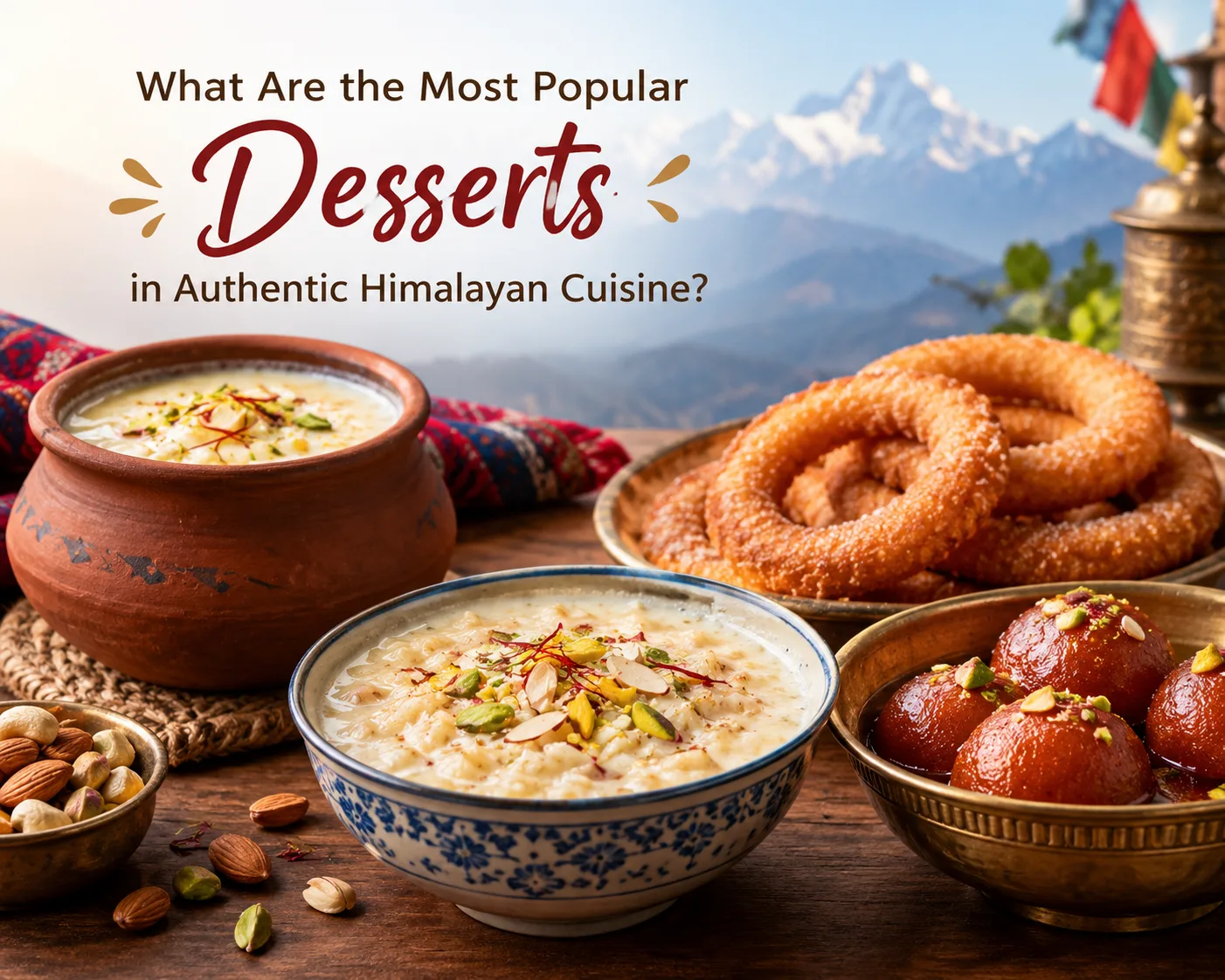
Kheer is one of the most familiar desserts enjoyed throughout India and Nepal. Made by slowly simmering rice in milk with sugar, this creamy pudding develops a rich texture and comforting flavor. Cardamom adds a delicate aroma, while almonds, cashews, raisins, and pistachios provide extra texture.
Kheer is commonly prepared during festivals, family gatherings, religious occasions, and celebrations. Some households prefer a thick consistency, while others enjoy a lighter version served chilled. Its simple ingredients and gentle sweetness make it a timeless dessert that pairs beautifully with a traditional meal.
Although kheer is widely associated with Indian cuisine, its popularity across Nepal and the Himalayan region makes it a natural part of the broader South Asian dessert tradition.
2. Sel Roti: A Traditional Nepali Sweet
Sel roti is a distinctive Nepali delicacy that combines the texture of a doughnut with the crispness of a rice-based fried bread. Prepared using ground rice, sugar, and other household ingredients, the mixture is shaped into rings and deep-fried until golden brown.
Unlike creamy desserts, sel roti offers a lightly sweet taste and a satisfying crunch on the outside, with a softer center. It is especially popular during festivals such as Dashain and Tihar, when families prepare traditional foods to share with relatives and guests.
Sel roti is often enjoyed with tea, yogurt, or other accompaniments. Its festive significance and familiar homemade flavor make it an important part of Nepal’s culinary heritage.
3. Lal Mohan: A Rich, Syrupy Treat
Lal mohan, closely related to the gulab jamun tradition, is another beloved sweet found in Nepal. These soft, round sweets are typically made from a milk-based dough, fried until golden brown, and soaked in sugar syrup.
The result is a tender dessert with a moist interior and a rich, sweet flavor. Cardamom or other aromatic ingredients may be added to the syrup to create additional depth.
Lal mohan is commonly served during weddings, festivals, family celebrations, and special gatherings. Its soft texture and syrupy sweetness make it an appealing choice for anyone who enjoys traditional South Asian desserts.
4. Juju Dhau: The King of Yogurt
Juju dhau is a famous traditional yogurt associated with Bhaktapur, Nepal. Its name is commonly translated as “king of yogurt,” reflecting its reputation for a rich texture and distinctive taste.
Traditionally prepared using buffalo milk, juju dhau is known for its thick, creamy consistency and naturally pleasant sweetness. It is traditionally set in clay pots, which contribute to its characteristic presentation and help distinguish it from ordinary yogurt.
This dessert is especially popular during local festivals and cultural celebrations. Unlike heavily sweetened pastries, juju dhau offers a refreshing finish to a meal while highlighting the importance of dairy products in Nepalese food traditions.
5. Rice-Based and Milk-Based Homemade Sweets
Across Himalayan communities, rice and milk have long been used to prepare comforting sweet dishes. Depending on local customs and family recipes, desserts may include sweetened rice preparations, milk puddings, and simple treats flavored with cardamom, nuts, or dried fruit.
These recipes demonstrate how everyday ingredients can become memorable desserts through patience and traditional preparation. Their flavors are generally familiar and approachable, making them suitable for family meals as well as festive occasions.
The variety of these sweets also shows that Himalayan food traditions are not limited to one region or cooking style. Each community brings its own ingredients, techniques, and preferences to the table.
Discover the Sweet Side of Authentic Indian Food
Desserts are an important part of the complete dining experience. After enjoying a flavorful curry, freshly prepared naan, or a traditional Himalayan dish, a sweet treat provides a satisfying way to finish the meal.
For diners searching for authentic Indian food, exploring traditional sweets alongside savory dishes can make the experience even more memorable. Indian and Nepali food cultures share many ingredients and culinary influences, yet each brings its own regional specialties and distinctive traditions.
If you are searching for the best Indian food in Richardson, consider exploring restaurants that celebrate traditional Indian and Himalayan flavors. A satisfying meal is about more than a single dish; it is about discovering different tastes, enjoying comforting recipes, and experiencing the food traditions behind them.
From the creamy richness of kheer to the festive crunch of sel roti and the smooth texture of juju dhau, Himalayan desserts reveal a delicious side of the region’s culinary heritage. These traditional sweets remind us that food is not simply nourishment it is also a way to preserve culture, bring people together, and create lasting memories.