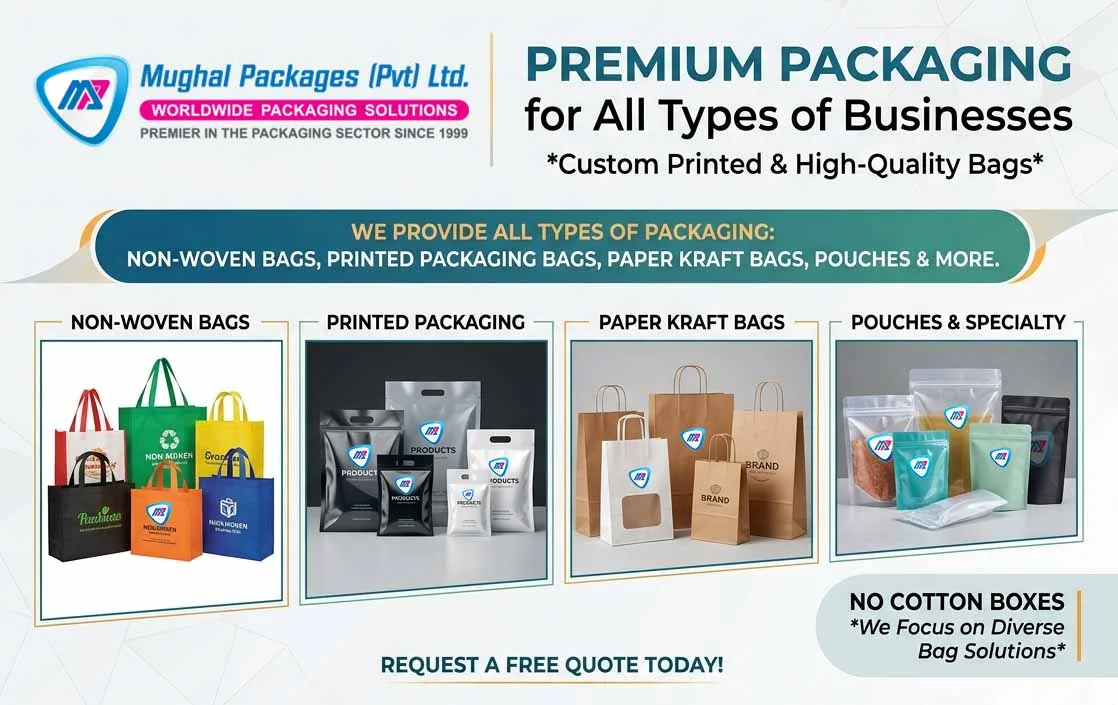
non woven bags help brands pack, ship, and promote in a clean way that still feels strong and simple.
They show up in shops, events, and online orders every day. And most people don’t even think twice about them. But brands do. Because the right bag changes how a product feels the moment it’s handed over.
The moment cheap packaging starts to hurt your brand
Most people think packaging is just a wrap. That belief is wrong. It’s the first thing your customer touches. And it speaks before you do.
non woven bags often replace weak plastic or thin paper that tears too fast. A bad bag sends a message you did not plan. It says “low effort.” That hits trust fast.
Here is what most people miss. Packaging is part of your product story. Not just a cover. When it fails, the whole experience drops.
I once helped a small shop switch from thin plastic to non woven bags for a weekend sale. Nothing else changed. But people stopped asking for refunds linked to damage. Same product. Better feel.
Definition: Packaging is the outer layer that holds and protects your product. It also shapes how people judge quality. It is not just function. It is emotion in a simple form.
And this is where many brands go wrong. They focus only on cost. Not impact. That short-term thinking often leads to weak first impressions and lost repeat buyers.
What happens when non woven bags do the job right
How do non woven bags actually help in real use? They hold shape, carry weight better, and last longer than basic plastic or thin paper options.
They also work across retail, events, and shipping without much change. That flexibility matters more than people think.
Answering this simply: they give structure and reuse value while still staying light and easy to handle.
Definition: Reusable bags are packaging items made to be used more than once. They reduce waste and support better long-term use patterns.
In real operations, this also affects logistics. Packing teams move faster because bags don’t rip or fold poorly under load. Storage gets easier too since they stack clean. Fewer damaged items means fewer returns in the supply chain flow, which keeps costs stable.
But here is the pushback most suppliers avoid. Not all non woven bags are equal. Some are too thin. Some are poorly stitched. So the idea that “all are strong” is not true. It depends on material thickness and build quality.
Another thing people assume is that these bags always look premium. That is not true either. Poor print or weak handles can make them look cheap fast.
Definition: Material thickness refers to how dense and strong the fabric is. It affects weight handling, durability, and feel in hand.
So yes, they can perform well. But only when selected with care. It depends — and that matters a lot here.
Are non woven bags actually better for the planet or just marketing talk?
Short answer. They can be better. But only in the right use cycle.
non woven bags reduce single use waste when reused many times. That’s the key. If they are used once and thrown away, the benefit drops hard.
Answer first: they support lower waste when reused and when they replace single-use plastic over time.
But there is a myth here. People often believe switching materials alone solves waste problems. It doesn’t. Behavior matters more than material choice.
Another common belief is that all “eco” packaging is fully green. That is misleading. Production still uses energy and chemicals in many cases.
Definition: environmental impact means the total effect a product has on nature from creation to disposal. It includes energy use, waste, and emissions.
non woven bags made with better processes can support sustainable practices, but only when paired with reuse habits and responsible sourcing.
From my own work with retail brands, I saw something simple. Stores that encouraged reuse saw better long-term brand recall. Not because of the material alone, but because customers interacted with it more than once.
That is the real shift. Not just packaging change. Behavior change.
Bulk orders for non woven bags and where buyers lose money
Most buyers think bulk means cheaper and simple. That assumption causes problems.
non woven bags ordered in bulk need planning. Size, print, handle type, and use case all matter.
Here is what usually goes wrong. Brands rush orders. They pick the wrong size. Or they skip print tests. Then they deal with wasted stock.
Definition: bulk ordering means buying large quantities at once to reduce unit cost and improve supply stability.
Another mistake is ignoring storage space. Large shipments need room. Without planning, logistics gets messy fast. Delays follow. Costs rise.
And this is the part that surprises most people. Cheaper bulk orders can become more expensive when reprints or replacements are needed.
There are exceptions worth knowing. Small startups sometimes benefit from flexible smaller runs first. This helps test demand before scaling.
non woven bags also vary in print quality. Low-grade printing fades fast. That weakens brand identity.
Definition: brand identity is how people recognize your business through visual elements like color, print, and packaging style.
So bulk buying is not just price math. It is planning. And planning saves more than discounts ever will.
Why design on non woven bags changes how people remember you
Design is not decoration here. It is memory.
non woven bags act like moving ads. People carry them in public. That builds visibility without extra cost.
But many brands overload design. Too many colors. Too much text. That reduces clarity.
What works better is simple, clean, and consistent design. That builds recognition faster.
Definition: custom-designed packaging means packaging made with unique visuals, colors, and layout that match a brand’s identity.
Definition: brand consistency means keeping the same visual style across all packaging and customer touchpoints.
non woven bags with clear print and strong handles feel more reliable. That changes how people judge the product inside.
I have seen small brands improve repeat orders just by fixing print layout. Nothing else changed. Same product. Better packaging clarity.
One more thing. Social sharing matters now. People post packaging when it looks good. That gives free reach without ads.
So design is not optional anymore. It is part of selling.
FAQs
What are non woven bags used for
They are used for shopping, retail packaging, and promotions. Many businesses use them for events and product delivery. They are strong and reusable.
Are non woven bags better than plastic bags
Yes in many cases. They last longer and reduce waste when reused. But they only help if people actually reuse them.
Can non woven bags be printed with logos
Yes. Most brands use logo printing to build recognition. The print quality depends on material and ink type.
Are non woven bags good for bulk business orders
Yes. They work well for bulk orders when size and design are planned. Poor planning can still lead to waste and extra cost.
Do non woven bags break easily
Not usually. But low-quality versions can tear under heavy load. Material thickness and stitching matter a lot.