The jewelry market is constantly evolving as customers look for pieces that combine quality, style, value, and versatility. For retailers and businesses purchasing Wholesale jewelry, understanding current customer preferences is essential for building an attractive inventory and maintaining healthy sales.
Today's buyers are not interested in jewelry simply because it looks beautiful. They increasingly consider factors such as material quality, design, durability, affordability, personalization, craftsmanship, and suitability for different occasions. Retailers that understand these expectations can make more informed wholesale purchasing decisions and offer products that align with what customers are actually seeking.
Goldy provides a useful reference for businesses and buyers exploring gold and jewelry products. When sourcing Wholesale jewelry, retailers can use market knowledge and customer trends to create collections that appeal to different budgets and personal styles.
This article explores the major factors influencing wholesale jewelry demand today and explains what customers are looking for when choosing jewelry.
The Growing Importance of Quality
Quality remains one of the most important considerations for jewelry customers. Buyers want products that maintain their appearance and structural integrity over time.
When retailers purchase Wholesale jewelry, they should pay close attention to:
- Metal quality
- Gold purity
- Finishing
- Stone quality
- Clasp strength
- Chain durability
- Overall craftsmanship
- Product consistency
A beautiful design may attract a customer initially, but poor quality can result in dissatisfaction and damage a retailer's reputation.
For wholesale buyers, quality control should therefore be a priority rather than an afterthought.
Customers Want Attractive Prices Without Sacrificing Quality
Affordability has become increasingly important across the jewelry market. Customers often compare multiple products before making a purchase, particularly when buying everyday jewelry.
However, affordability does not necessarily mean choosing the cheapest product available.
Many consumers are looking for the best balance between:
Price + quality + design + durability
This creates an opportunity for retailers to offer different price categories within their collections.
A wholesale jewelry business can stock entry-level pieces for price-conscious customers while also maintaining premium options for shoppers looking for higher-value products.
Gold Jewelry Remains Highly Attractive
Gold continues to have strong appeal because it combines visual beauty with recognized precious-metal value.
Customers may choose gold jewelry for:
- Everyday wear
- Weddings
- Engagements
- Gifts
- Celebrations
- Investment purposes
- Cultural occasions
- Personal collections
Different karats can appeal to different customer groups.
24K gold offers very high purity but is relatively soft. 22K gold provides high gold content and is widely used in jewelry. 18K gold offers a balance between gold content and durability.
For retailers, maintaining a variety of gold options can help meet different customer preferences.
Customers Are Looking for Everyday Jewelry
One of the important trends in jewelry demand is the desire for versatile pieces that can be worn regularly.
Customers may prefer jewelry that works with multiple outfits rather than pieces reserved for special occasions.
Popular everyday categories can include:
- Simple chains
- Stud earrings
- Minimalist rings
- Small pendants
- Bracelets
- Delicate necklaces
- Classic hoops
These products can be particularly useful for retailers because customers may purchase them more frequently than highly elaborate statement pieces.
Minimalist Designs Continue to Attract Buyers
Minimalist jewelry appeals to customers who prefer subtle elegance.
Simple designs can be worn independently or combined with other pieces.
Examples include:
- Thin gold chains
- Small geometric pendants
- Simple bands
- Delicate bracelets
- Small hoop earrings
- Fine layering necklaces
Minimalist jewelry can appeal to younger consumers as well as customers who prefer timeless styles.
For wholesale buyers, stocking several minimalist designs can provide versatility without requiring an excessively large inventory.
Layering and Stacking Jewelry
Customers increasingly enjoy creating personalized combinations by wearing multiple pieces together.
Layering can involve necklaces of different lengths, while stacking can involve multiple rings or bracelets.
This trend creates opportunities for retailers because customers may purchase several complementary pieces instead of one item.
For example, a retailer could offer:
- Short necklaces
- Medium-length chains
- Longer pendants
- Matching bracelets
- Stackable rings
The individual products can then be marketed separately or as coordinated collections.
Personalization Is Increasingly Valuable
Customers often want jewelry that feels unique to them.
Personalized jewelry can include:
- Initial necklaces
- Name pendants
- Engraved rings
- Birthstone jewelry
- Zodiac-inspired designs
- Date engravings
- Customized charms
Personalization adds emotional value to a product and can make jewelry especially attractive as a gift.
For retailers purchasing Wholesale jewelry, customizable products can create opportunities to offer personalized services without completely changing their core inventory.
Jewelry for Gifting
Jewelry remains a popular gift category because it can carry emotional and symbolic meaning.
Customers may purchase jewelry for:
- Birthdays
- Anniversaries
- Weddings
- Graduations
- Valentine's Day
- Mother's Day
- Religious celebrations
- Family milestones
Gift buyers often prefer products that look premium but are available at accessible price points.
This makes versatile pieces such as earrings, pendants, bracelets, and rings particularly useful additions to a wholesale collection.
Customers Want Versatile Jewelry
Modern consumers often prefer products that can transition between different settings.
A single necklace might be worn at work, during a casual outing, or at an evening event.
Versatility can come from:
- Classic designs
- Neutral styling
- Adjustable lengths
- Interchangeable pendants
- Simple detailing
- Moderate proportions
Retailers can benefit from stocking jewelry that is suitable for multiple occasions rather than focusing exclusively on highly specialized designs.
Statement Jewelry Still Has a Place
Although minimalist designs are popular, statement jewelry continues to attract customers who want bold visual impact.
Statement pieces may include:
- Large earrings
- Chunky chains
- Bold bracelets
- Oversized rings
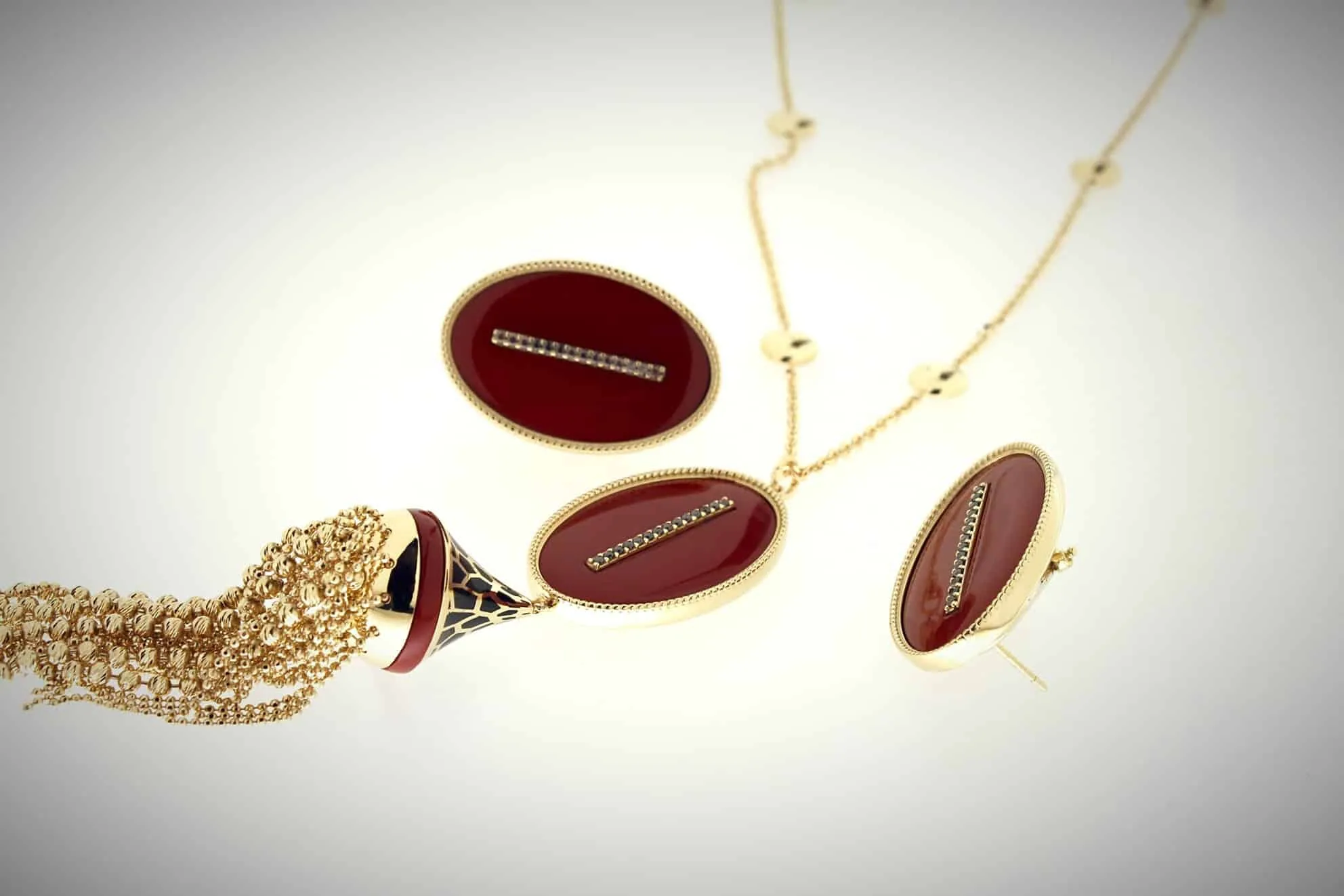
- Elaborate necklaces
- Decorative gemstone pieces
These products can perform particularly well for customers attending weddings, parties, celebrations, and formal events.
A balanced wholesale collection can therefore include both understated everyday jewelry and eye-catching statement pieces.
Customers Are Interested in Gemstone Jewelry
Gemstones can add colour, personality, and visual interest to jewelry.
Customers may be attracted to:
- Diamonds
- Sapphires
- Rubies
- Emeralds
- Pearls
- Birthstones
- Coloured gemstones
Gemstone jewelry can also support personalization because customers may select stones based on birth months, favourite colours, symbolism, or personal preferences.
Retailers should ensure that gemstone descriptions and quality information are clear so customers understand what they are purchasing.
Classic Jewelry Remains Important
Fashion trends change, but classic jewelry continues to have strong demand.
Traditional designs can include:
- Plain gold bands
- Classic chains
- Hoop earrings
- Pearl necklaces
- Simple bracelets
- Traditional pendants
- Timeless solitaire designs
These products are useful for retailers because they can remain relevant even when seasonal fashion trends change.
When purchasing Wholesale jewelry, businesses can therefore combine trend-driven products with classic pieces to create a more resilient inventory.
Customers Care About Craftsmanship
Craftsmanship can significantly influence how customers perceive jewelry value.
Fine finishing, smooth edges, secure settings, polished surfaces, and strong clasps can make a product appear more refined.
For wholesale buyers, evaluating craftsmanship before purchasing large quantities is important.
Retailers should inspect samples and assess consistency across products.
A wholesale supplier that provides consistent craftsmanship can become more valuable to a retailer than one offering slightly lower prices but inconsistent quality.
Transparency Is Becoming More Important
Customers increasingly want clear information about the products they purchase.
They may want to know:
- What metal is used?
- What is the gold purity?
- How much does the piece weigh?
- Are gemstones genuine?
- What are the dimensions?
- How should the jewelry be maintained?
- Is there a warranty or return policy?
Clear product information helps establish trust.
Retailers purchasing from wholesale suppliers should therefore seek accurate specifications that can be communicated to customers.
Customers Want Authenticity and Trust
Trust is especially important when purchasing precious-metal jewelry.
A customer spending significant money on gold or gemstone jewelry expects the product to match its description.
Retailers can build trust by providing:
- Accurate product descriptions
- Purity information
- Proper documentation
- Transparent pricing
- Clear return policies
- Reliable customer service
For wholesale businesses, working with established and transparent suppliers can make it easier to maintain customer confidence.
The Importance of Different Price Points
Not every customer has the same budget.
A retailer serving a broad market may need several price ranges.
An effective collection could include:
Entry-level jewelry: Affordable pieces for casual buyers.
Mid-range jewelry: Higher-quality products for regular customers.
Premium jewelry: Fine gold and gemstone products for customers seeking luxury.
This approach allows retailers to serve multiple customer segments without relying on a single price category.
Customers Are Interested in Lightweight Jewelry
Lightweight jewelry can appeal to customers who want the appearance and benefits of precious metals while maintaining a manageable budget.
Lightweight products may include:
- Fine chains
- Small earrings
- Thin bracelets
- Delicate rings
- Small pendants
For retailers, lightweight pieces can also allow them to offer more product variety while controlling inventory costs.
Customers Also Want Bold Gold Pieces
At the opposite end of the spectrum, some consumers prefer substantial gold jewelry.
Chunky chains, wide bracelets, large rings, and bold earrings can attract buyers looking for a stronger visual presence.
The demand for bold jewelry demonstrates why retailers should avoid relying exclusively on one design philosophy.
A combination of delicate and statement pieces can serve a wider audience.
The Rise of Personalized Collections
Rather than purchasing unrelated products, customers increasingly enjoy jewelry collections that work together.
A retailer might create a collection based around:
- Matching necklaces and earrings
- Coordinated rings and bracelets
- Birthstone themes
- Initial designs
- Minimalist gold pieces
- Bridal jewelry
Collections can encourage customers to purchase multiple products and can make the shopping experience more cohesive.
For wholesale buyers, sourcing coordinated designs can therefore create additional selling opportunities.
Seasonal Demand Influences Wholesale Jewelry
Jewelry demand can change throughout the year.
Wedding seasons may increase demand for bridal jewelry.
Festive periods can increase gift purchases.
Valentine's Day may increase demand for romantic jewelry.
Graduation periods can create interest in meaningful gifts.
Retailers should consider these seasonal patterns when planning their wholesale purchases.
Buying the right products at the right time can help reduce slow-moving inventory.
Bridal Jewelry Remains a Major Category
Weddings can create significant jewelry demand.
Bridal customers may look for:
- Wedding bands
- Engagement rings
- Bridal necklaces
- Earrings
- Bracelets
- Matching sets
Traditional preferences can remain important, while modern brides may also seek minimalist or personalized designs.
Retailers serving wedding customers should therefore offer a combination of classic and contemporary options.
The Importance of Packaging
Packaging can influence how customers perceive jewelry.
Attractive packaging can make a relatively simple piece feel more premium and can be particularly valuable for gifts.
Retailers may consider:
- Jewelry boxes
- Branded pouches
- Protective packaging
- Care cards
- Certificates where appropriate
- Gift-ready presentation
When purchasing Wholesale jewelry, businesses should consider whether packaging is included or available separately.
Jewelry Care Information Adds Value
Customers appreciate guidance about how to maintain their jewelry.
Care information may explain:
- How to clean the piece
- How to store it
- Whether it should be removed during certain activities
- How to protect gemstones
- How to reduce exposure to chemicals
Providing care instructions can improve the customer experience and help protect the retailer's reputation.
Online Shopping Is Influencing Jewelry Demand
Digital shopping has changed how customers discover jewelry.
Consumers can now compare products, designs, prices, and reviews before visiting a physical store or completing an online purchase.
This means retailers need product images and descriptions that clearly communicate:
- Size
- Colour
- Material
- Design
- Finish
- Weight
- Wearability
For wholesale buyers, products that photograph well can be particularly valuable because retailers can present them effectively through online channels.
Social Media and Jewelry Trends
Social media has accelerated the speed at which jewelry trends spread.
A design can gain popularity rapidly after appearing in fashion content, celebrity styling, influencer posts, or short-form videos.
Retailers need to balance trend-driven products with timeless inventory.
Buying too much of a short-lived trend can create excess stock, while ignoring emerging styles can cause a retailer to miss opportunities.
A flexible wholesale purchasing strategy is therefore valuable.
Customers Want Jewelry That Reflects Their Identity
Jewelry is increasingly used as a form of personal expression.
Customers may choose pieces based on:
- Personality
- Fashion preferences
- Cultural background
- Career
- Lifestyle
- Personal milestones
- Interests
This creates opportunities for retailers to stock diverse collections rather than offering only traditional designs.
Cultural and Traditional Jewelry Remains Relevant
Modern trends do not eliminate demand for traditional jewelry.
Cultural events, weddings, celebrations, and family traditions can continue to influence jewelry purchases.
Traditional gold designs can therefore remain valuable within a contemporary collection.
For retailers, understanding the cultural preferences of their target customers can help them select more relevant Wholesale jewelry products.
Sustainable and Responsible Jewelry
Some customers are increasingly interested in how jewelry is produced and sourced.
They may ask about:
- Responsible sourcing
- Recycled metals
- Ethical production
- Supply-chain transparency
- Long-lasting products
Retailers who can provide credible information about sourcing may appeal to customers who consider environmental and ethical factors when shopping.
However, sustainability claims should always be accurate and supported by appropriate documentation.
How Retailers Can Respond to Customer Demand
Understanding customer preferences is only the first step.
Retailers can respond by creating a balanced inventory.
A practical wholesale collection could include:
- Minimalist pieces
- Classic designs
- Statement jewelry
- Personalized products
- Gold jewelry
- Gemstone pieces
- Bridal items
- Gift-friendly products
- Different price levels
This variety allows retailers to respond to multiple customer needs without relying on a single trend.
How Goldy Can Support Wholesale Jewelry Research
Goldy can be a useful reference for businesses researching gold and jewelry products.
When exploring Wholesale jewelry, retailers can use Goldy as part of their research process to better understand gold-related products, designs, and customer-oriented jewelry options.
However, businesses should evaluate wholesale products based on their specific requirements, including purity, weight, craftsmanship, supplier reliability, pricing, and expected customer demand.
The objective should be to create an inventory that provides genuine value rather than simply purchasing large quantities of products.
Choosing the Right Wholesale Jewelry Supplier
Selecting a supplier is one of the most important decisions for a jewelry retailer.
Before placing a large order, businesses should consider:
- Product quality
- Pricing
- Purity accuracy
- Design variety
- Minimum order quantities
- Production consistency
- Delivery reliability
- Packaging
- Communication
- Return policies
- Documentation
A supplier should be able to provide clear and consistent product information.
Why Product Variety Matters
Customers have different tastes, budgets, lifestyles, and purchasing motivations.
A retailer selling only one type of jewelry may miss significant market opportunities.
For example, some shoppers may prefer delicate gold necklaces, while others may want large statement pieces.
Some may purchase jewelry for themselves, while others may be shopping for gifts.
Variety allows a retailer to serve these different customer groups.
Balancing Trends With Timeless Products
A successful jewelry inventory should not be built entirely around current trends.
Trend-focused products can generate excitement, but classic pieces can provide more consistent long-term demand.
A balanced approach could include:
Timeless products: Classic chains, bands, hoops, and simple pendants.
Current trends: Fashion-forward designs and popular social-media styles.
Seasonal products: Wedding, festive, and gifting collections.
Personalized products: Initials, names, dates, and birthstones.
This combination can help retailers maintain flexibility.
What Customers Ultimately Want
Although jewelry trends change, several customer expectations remain consistent.
Customers want products that offer:
- Good quality
- Attractive design
- Fair pricing
- Authentic materials
- Durability
- Versatility
- Clear information
- Trustworthy service
- Emotional value
- Good presentation
Retailers who consistently meet these expectations are better positioned to build repeat business.
Conclusion
The demand for Wholesale jewelry is shaped by a combination of changing fashion trends and enduring customer expectations. Today's buyers want attractive designs, reliable quality, fair pricing, authenticity, personalization, and products that fit different occasions and lifestyles.
Minimalist jewelry, classic gold pieces, personalized designs, gemstone products, statement jewelry, bridal collections, and versatile everyday pieces can all play an important role in a modern wholesale inventory. At the same time, retailers need to consider seasonal demand, online shopping, social media trends, packaging, and customer service.
For businesses sourcing Wholesale jewelry, Goldy can serve as a useful reference when researching gold and jewelry options. The strongest purchasing strategy is to combine current market awareness with careful supplier evaluation, quality checks, appropriate price points, and a clear understanding of the customers a retailer wants to serve.
Ultimately, successful wholesale jewelry sourcing is not simply about buying more products. It is about choosing the right products, at the right quality and price, for the right customers.