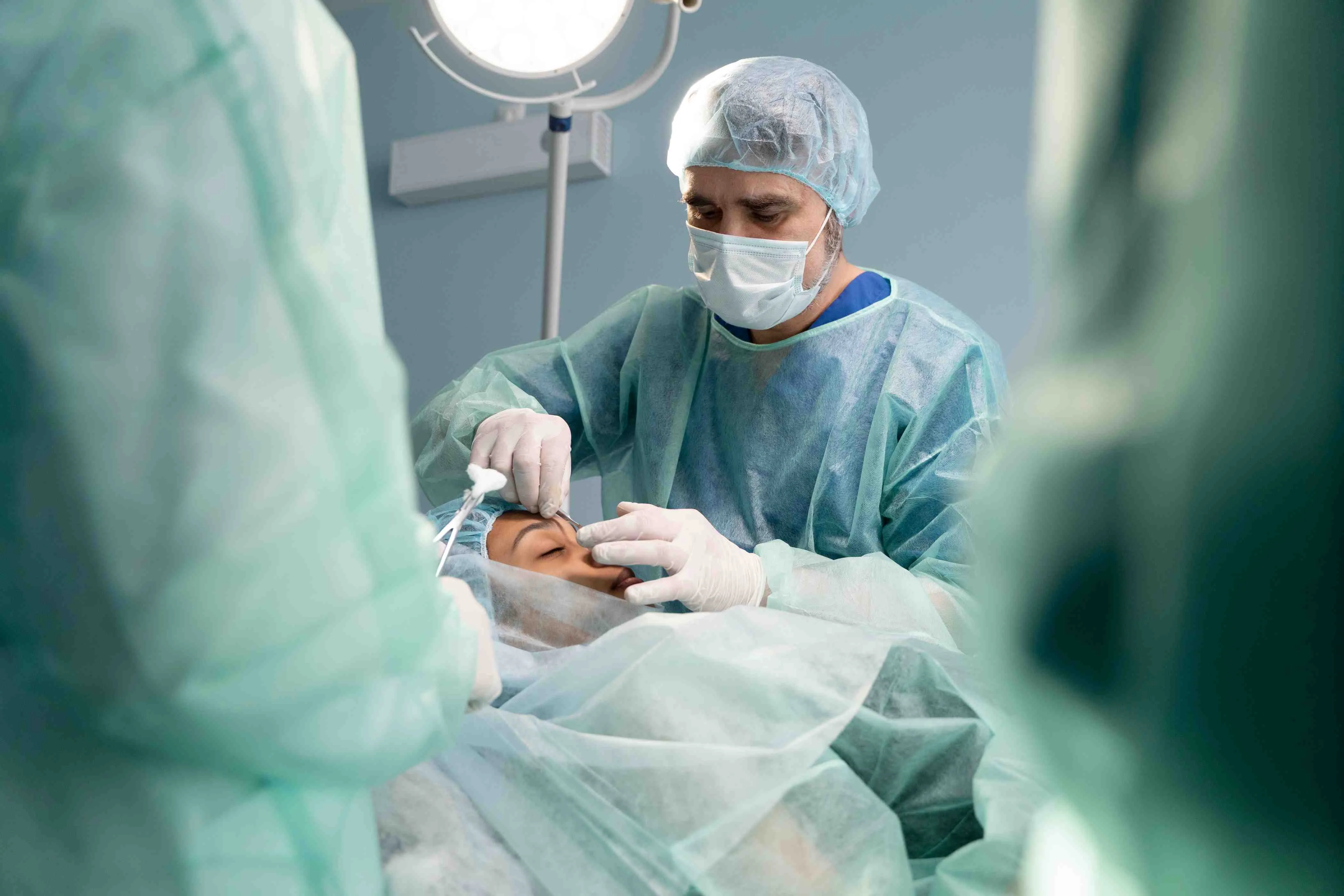
Choosing the right hospital becomes especially important when a medical condition requires specialised attention, diagnostic testing, or coordinated treatment. A well-equipped MultiSpeciality Hospital In jaipur should offer access to qualified doctors across major medical departments, supported by modern diagnostic facilities, emergency services, and effective patient care systems.
Multispeciality hospitals bring different medical specialities together under one roof, helping patients access consultations, investigations, and treatment without visiting multiple healthcare facilities unnecessarily. However, the quality of a hospital depends on more than the number of departments it advertises. Clinical expertise, available equipment, emergency preparedness, and coordination between specialists are equally important.
Understanding which departments a hospital should have can help families make informed healthcare decisions in Jaipur, Rajasthan.
1. General Medicine and Internal Medicine
Internal medicine is one of the core departments of a multispeciality hospital. Physicians in this speciality diagnose and manage a wide range of adult health conditions, including diabetes, hypertension, respiratory infections, thyroid disorders, and other chronic illnesses.
This department also plays an important role in preventive healthcare, routine health assessments, and the initial evaluation of unexplained symptoms. When a condition requires specialist intervention, internal medicine doctors can coordinate referrals and help patients navigate further investigations.
For patients managing multiple health conditions, coordinated medical supervision can improve continuity of care and reduce fragmented treatment.
2. Cardiology for Heart Health
Cardiology focuses on diagnosing and treating diseases affecting the heart and blood vessels. A hospital serving a growing urban population should provide access to cardiology consultations and appropriate cardiac investigations.
Important cardiac services may include electrocardiograms (ECGs), echocardiography, blood pressure assessment, and other tests based on clinical requirements. Hospitals with advanced cardiac capabilities may also provide specialised procedures and interventions.
Chest discomfort, unexplained breathlessness, palpitations, or persistent dizziness require appropriate medical assessment. Severe chest pain, sudden breathing difficulty, or collapse may indicate a medical emergency and should never be ignored.
When evaluating a hospital, patients should check whether cardiac emergency support is available around the clock or whether urgent cases are transferred to another facility.
3. Orthopaedics and Joint Care
The orthopaedics department manages conditions affecting bones, joints, muscles, ligaments, and tendons. It is particularly important for patients experiencing fractures, sports injuries, joint pain, arthritis, or mobility difficulties.
A comprehensive orthopaedic service may include fracture management, joint assessments, injury treatment, rehabilitation referrals, and surgical care when indicated. Access to imaging facilities, such as X-rays, also supports the assessment of musculoskeletal injuries.
For patients with persistent knee pain, back problems, or restricted movement, timely evaluation can help identify the underlying cause and determine an appropriate treatment plan.
Hospitals should also explain rehabilitation requirements and recovery expectations before elective orthopaedic procedures.
4. Obstetrics and Gynaecology
Obstetrics and gynaecology is essential for women's reproductive health, pregnancy care, childbirth, and the management of gynaecological conditions.
Services may include antenatal consultations, pregnancy monitoring, menstrual disorder management, reproductive health assessments, and treatment for conditions affecting the uterus and ovaries. Hospitals providing maternity care should have clearly defined arrangements for labour monitoring, delivery, emergency obstetric intervention, and newborn support.
Expectant parents should verify whether obstetricians, anaesthesia services, neonatal care, and emergency surgical support are available when needed.
The availability of these services is particularly important when pregnancy involves additional medical risks.
5. Paediatrics and Newborn Care
Children have different healthcare needs from adults, making paediatrics another important hospital department. Paediatricians diagnose and treat childhood illnesses, monitor growth and development, and guide parents on preventive healthcare and vaccinations.
A hospital offering newborn care should have appropriate facilities for assessing infants after birth and managing common neonatal concerns. Higher-risk newborns may require specialised neonatal intensive care, depending on their condition.
Parents should check whether paediatric consultations are available during emergencies and whether neonatal intensive care is provided on-site or through a referral arrangement.
Clear communication with parents is essential when treating infants and young children.
6. Emergency Medicine and Critical Care
Emergency services are a fundamental requirement for a hospital that treats patients with sudden illnesses, injuries, or life-threatening conditions.
A capable emergency department should have trained personnel, rapid triage procedures, resuscitation equipment, and access to essential diagnostic and treatment facilities. Critical care services, including an intensive care unit (ICU), may be necessary for patients requiring continuous monitoring or organ support.
Depending on the hospital's capabilities, emergency care may also involve trauma management, emergency surgery, and coordination with cardiology or other specialists.
Patients should confirm whether emergency services operate 24 hours a day, how ambulances are handled, and whether ICU beds are available when required. The exact scope of emergency and critical care varies between hospitals.
7. General Surgery and Anaesthesiology
General surgery covers a range of conditions that may require surgical treatment, including certain abdominal disorders, hernias, gallbladder problems, and other conditions assessed by a surgeon.
A hospital providing surgical services should have appropriate operating theatres, sterilisation systems, anaesthesia support, and postoperative monitoring arrangements.
Anaesthesiologists assess patients before procedures, administer anaesthesia, monitor vital functions during surgery, and support pain management and recovery.
Before undergoing an operation, patients should ask about the proposed procedure, potential risks, expected recovery period, and available postoperative support. Surgical capability should be assessed alongside the hospital's emergency backup and infection-control practices.
8. Radiology, Imaging, and Laboratory Diagnostics
Accurate diagnosis often depends on reliable investigations. Radiology and diagnostic imaging departments help doctors examine internal structures and identify abnormalities that may not be apparent during a physical examination.
Depending on the facility, imaging services may include X-rays, ultrasound, CT scans, and MRI scans. A pathology laboratory supports the diagnosis and monitoring of conditions through blood tests, urine analysis, and other laboratory investigations.
Not every hospital needs to provide every advanced test on-site. However, patients should understand which investigations are available, how results are communicated, and whether external referrals are necessary.
Quality assurance, appropriate equipment maintenance, trained personnel, and timely reporting are important considerations when assessing diagnostic services.
9. Neurology and Other Specialist Departments
Neurology addresses disorders of the brain, spinal cord, nerves, and muscles. Access to neurological evaluation can be valuable for patients experiencing recurrent headaches, seizures, movement difficulties, or unexplained neurological symptoms.
Depending on its size and clinical scope, a hospital may also provide additional specialities, such as:
- Nephrology: Kidney diseases and related complications.
- Urology: Conditions affecting the urinary tract and male reproductive system.
- Pulmonology: Asthma, chronic lung diseases, and other respiratory conditions.
- Gastroenterology: Digestive system and liver-related disorders.
- Dermatology: Skin, hair, and nail conditions.
- ENT: Ear, nose, and throat disorders.
These departments can broaden access to specialised care. Their importance will depend on the local population's healthcare needs and the hospital's resources.
10. How to Evaluate a Multispeciality Hospital in Jaipur
The right hospital is not necessarily the one with the longest list of specialities. Patients should evaluate whether its services match their medical needs and whether its doctors, facilities, and support systems are appropriate for the required treatment.
Before choosing a hospital, consider these practical factors:
- Medical expertise: Check doctors' qualifications, relevant experience, and specialist credentials.
- Emergency readiness: Verify emergency operating hours, critical care facilities, and referral arrangements.
- Diagnostic access: Review the availability of necessary investigations and the process for receiving results.
- Patient safety: Ask about infection prevention, surgical safety protocols, and patient monitoring.
- Coordination of care: Determine whether specialists can work together when a condition involves multiple medical issues.
- Transparent costs: Request information about consultation charges, investigations, treatment estimates, and insurance arrangements.
- Accreditation: Check whether applicable registrations and recognised quality accreditations are current.
For residents of Jaipur, proximity may also matter, particularly when frequent consultations or urgent treatment are necessary. Patients should balance convenience with the clinical services required for their condition.
Frequently Asked Questions
1. Which departments are essential in a multispeciality hospital?
Core departments generally include internal medicine, emergency medicine, general surgery, orthopaedics, cardiology, obstetrics and gynaecology, paediatrics, anaesthesiology, and diagnostic services. The exact requirements depend on the hospital's scope and patient population.
2. Why are diagnostic facilities important in a hospital?
Diagnostic facilities help clinicians investigate symptoms, confirm or rule out possible conditions, monitor treatment, and make informed clinical decisions. Reliable testing and timely reporting support appropriate patient management.
3. Should a multispeciality hospital have a 24-hour emergency department?
Hospitals offering round-the-clock emergency care should have appropriate staffing, triage systems, resuscitation equipment, and arrangements for critical cases. Patients should verify actual emergency capabilities rather than assuming every hospital operates in the same way.
4. How can patients choose a MultiSpeciality Hospital In jaipur?
Patients should compare specialist availability, emergency support, diagnostic facilities, patient safety practices, doctor credentials, costs, and the hospital's ability to manage their particular condition.
5. Does every multispeciality hospital need every medical speciality?
No. The required departments depend on the facility's size, resources, clinical scope, and community needs. Some hospitals provide selected specialities directly and refer patients elsewhere for highly specialised procedures.
Conclusion
A good multispeciality hospital combines qualified specialists, dependable diagnostic services, emergency preparedness, surgical support, and coordinated patient care. Departments such as internal medicine, cardiology, orthopaedics, obstetrics, paediatrics, and critical care address many common healthcare needs, while additional specialities support more complex conditions.
When comparing a MultiSpeciality Hospital In jaipur, patients should look beyond promotional claims and verify the services, facilities, and expertise relevant to their requirements. Chirayu Hospital is a name patients can consider researching as part of their local hospital evaluation, alongside checking its current departments, available specialists, and clinical capabilities. Ultimately, informed decisions should prioritise patient safety, appropriate medical expertise, and access to the right treatment at the right time.