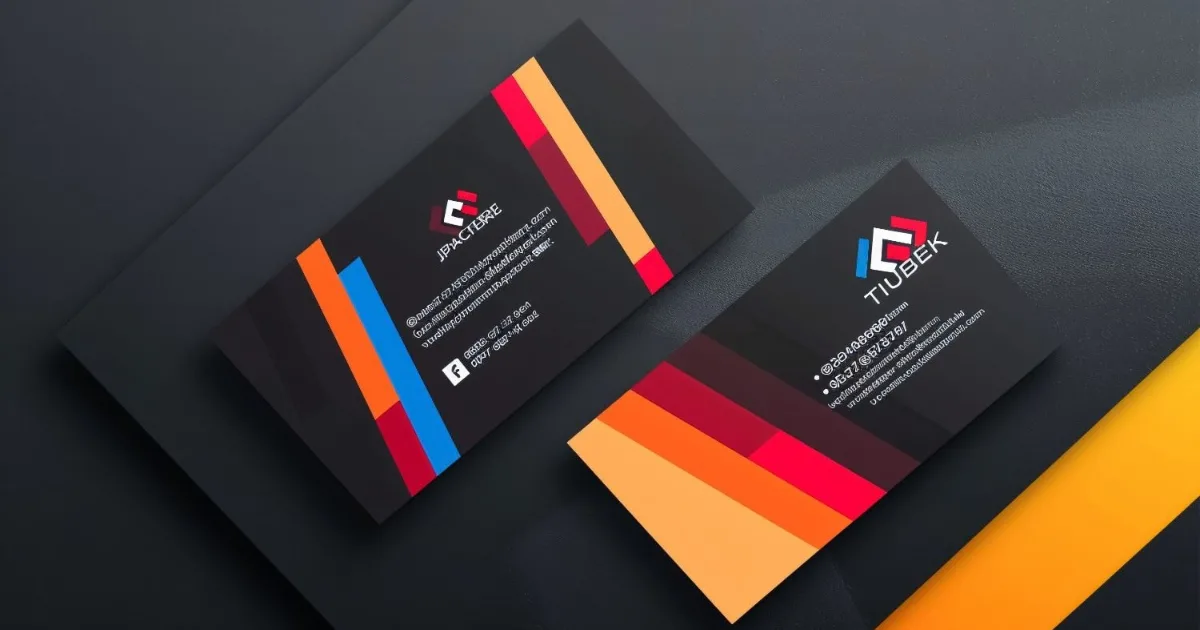
The best Business Card Printing option for most small businesses in the UK is a standard 85 × 55 mm card printed on durable 300–400 gsm stock with a matte or silk finish. This combination provides professional presentation, practical durability, and reasonable printing costs.
However, the right choice depends on your industry, budget, brand identity, and how frequently you distribute cards. A local tradesperson may prefer affordable standard cards, while a luxury consultant may benefit from textured paper or foil detailing.
Understanding the available materials, finishes, and printing methods helps businesses select cards that communicate their contact information clearly without unnecessary expenses.
What Are the Different Types of Business Cards Available in the UK?
Small businesses can choose from several card types based on appearance, durability, and printing requirements.
1. Standard Business Cards
Standard cards are suitable for everyday professional networking. They typically use coated or uncoated cardstock and feature basic printing without expensive decorative effects.
These cards work well for retailers, tradespeople, independent consultants, and service providers.
2. Matte Business Cards
Matte cards have a low-shine surface that reduces reflections and supports a clean, professional appearance.
They are particularly suitable for businesses that prefer simple designs, readable text, and understated branding.
3. Glossy Business Cards
Glossy finishes create a reflective surface that can make photographs and colours appear more vibrant.
Restaurants, photographers, salons, and creative businesses may prefer glossy cards when visual presentation is important.
4. Luxury and Foiled Business Cards
Luxury cards use decorative features such as metallic foil, textured paper, or spot UV coating.
Foil highlighting is commonly applied to logos or selected design elements. Spot UV creates a raised or glossy-looking contrast on specific areas, depending on the production method.
These options suit premium services, boutique businesses, and luxury brands.
5. Recycled Business Cards
Recycled paper cards offer an alternative for businesses looking to use recycled materials.
Paper texture, colour, and available finishes depend on the selected stock. Businesses should verify recycled content and relevant certifications before making environmental claims.
Which Business Card Material Is Best for Small Businesses?
Cardstock between 300 and 400 gsm is a practical choice for many small businesses because it provides a substantial feel without requiring specialist materials.
GSM means grams per square metre. It measures paper weight rather than thickness directly.
Paper weightCharacteristicsSuitable application250–300 gsmRelatively lightweightBasic promotional cards300–350 gsmFirm, practical cardstockEveryday networking350–400 gsmMore substantial feelProfessional and premium cardsAbove 400 gsmHeavyweight or specialist stockLuxury presentation
A higher gsm value does not automatically mean better print quality. Surface coating, paper composition, printing accuracy, and finishing also influence the final result.
For businesses ordering cards regularly, 350 gsm cardstock can provide a useful balance between quality and cost.
Is Digital or Offset Printing Better for Small Business Cards?
Digital printing is generally more practical for short runs and frequently updated designs, while offset printing can become more economical for larger quantities.
Digital printing transfers artwork onto paper without the printing plates used in conventional offset production. This makes it suitable for smaller orders and multiple employee designs.
Offset printing uses plates and ink transfer processes. Its initial setup costs can be higher, but the cost per card may decrease substantially with greater quantities.
The best method depends on order volume, artwork requirements, turnaround time, and the printer's production capabilities.
For many small businesses, the printing method matters less than receiving accurate colours, sharp text, and consistent cutting.
What Is the Standard Business Card Size in the UK?
The standard UK business card measures 85 × 55 mm. This size fits most conventional cardholders and wallets, making it convenient for everyday business interactions.
Print artwork commonly requires an additional 3 mm bleed on each side, producing a document measuring 91 × 61 mm. Bleed is extra artwork extending beyond the finished cutting line.
Important information should remain safely inside the trimmed edges. Many printers recommend a margin of approximately 3–5 mm.
Professional artwork commonly uses 300 dpi images and CMYK colour settings, although the printer's specific requirements should always take priority.
Northwich Print and Design+1
How Much Does Business Card Printing Cost in the UK?
Business Card Printing costs depend on the card quantity, paper weight, dimensions, finishing options, and delivery requirements.
Standard cards are generally less expensive than custom-shaped, foil-stamped, or specialist textured cards.
The main pricing factors include:
- Quantity: Larger orders often reduce the cost per card.
- Material: Premium and specialist papers may increase production costs.
- Finish: Foiling, spot UV, and additional coatings introduce extra processes.
- Design: Professional artwork preparation may involve a separate charge.
- Delivery: Express production and shipping can affect the final quotation.
Small businesses should compare the total order cost rather than choosing solely on the lowest advertised unit price.
How Can Small Businesses Choose the Right Printing Option?
Selecting suitable cards requires balancing design requirements with practical business needs.
Consider Your Industry
Professional service providers often benefit from simple matte cards. Creative businesses may prefer colourful finishes, while premium brands might select foil or textured stock.
Decide How Many Cards You Need
Businesses attending regular exhibitions or networking events may benefit from larger orders.
Companies updating their contact details frequently should consider smaller batches to reduce unused stock.
Focus on Readability
A business card should clearly display the business name, contact details, and relevant website.
Avoid overcrowding the design with unnecessary text. A QR code can provide access to additional information, provided it remains easy to scan.
Check Production Requirements
Review the supplier's artwork specifications, available paper stocks, delivery terms, and sample options before ordering.
These checks reduce the risk of printing errors and unsuitable finishes.
Where Can Small Businesses Order Business Cards in the UK?
Small businesses can order cards through online printing providers or local commercial printers.
Printwell UK offers standard, matte, glossy, textured, recycled, laminated, spot UV, and foiled business card options. Its published services also include custom sizes, design assistance, sample packs, and nationwide UK delivery.
Businesses can explore its Business Card Printing services to compare available finishes and request information about suitable options.
Frequently Asked Questions
What is the best finish for professional business cards?
Matte or silk finishes are suitable for many professional businesses because they provide a restrained appearance and clear text presentation.
Are double-sided business cards worth it?
Yes. Double-sided cards provide additional space for services, QR codes, appointment information, or branding without overcrowding the front.
Should small businesses choose expensive business cards?
Not necessarily. Standard cards with clear typography and suitable cardstock can communicate professionalism without specialist finishing costs.
How long does business card printing take in the UK?
Production and delivery times vary by supplier and specification. Printwell UK publishes a standard delivery estimate of 3–5 business days, with express options available. Confirm the schedule before ordering.
Make the Right Business Card Printing Choice
For most small businesses, standard-sized cards on 300–400 gsm cardstock with a matte or silk finish offer a practical combination of quality, durability, and cost control.
Premium finishes are worth considering when distinctive presentation supports the business's brand positioning.
Choose the appropriate material, prepare accurate artwork, and compare printing specifications before ordering. These decisions help produce professional cards that are practical for everyday customer interactions.