
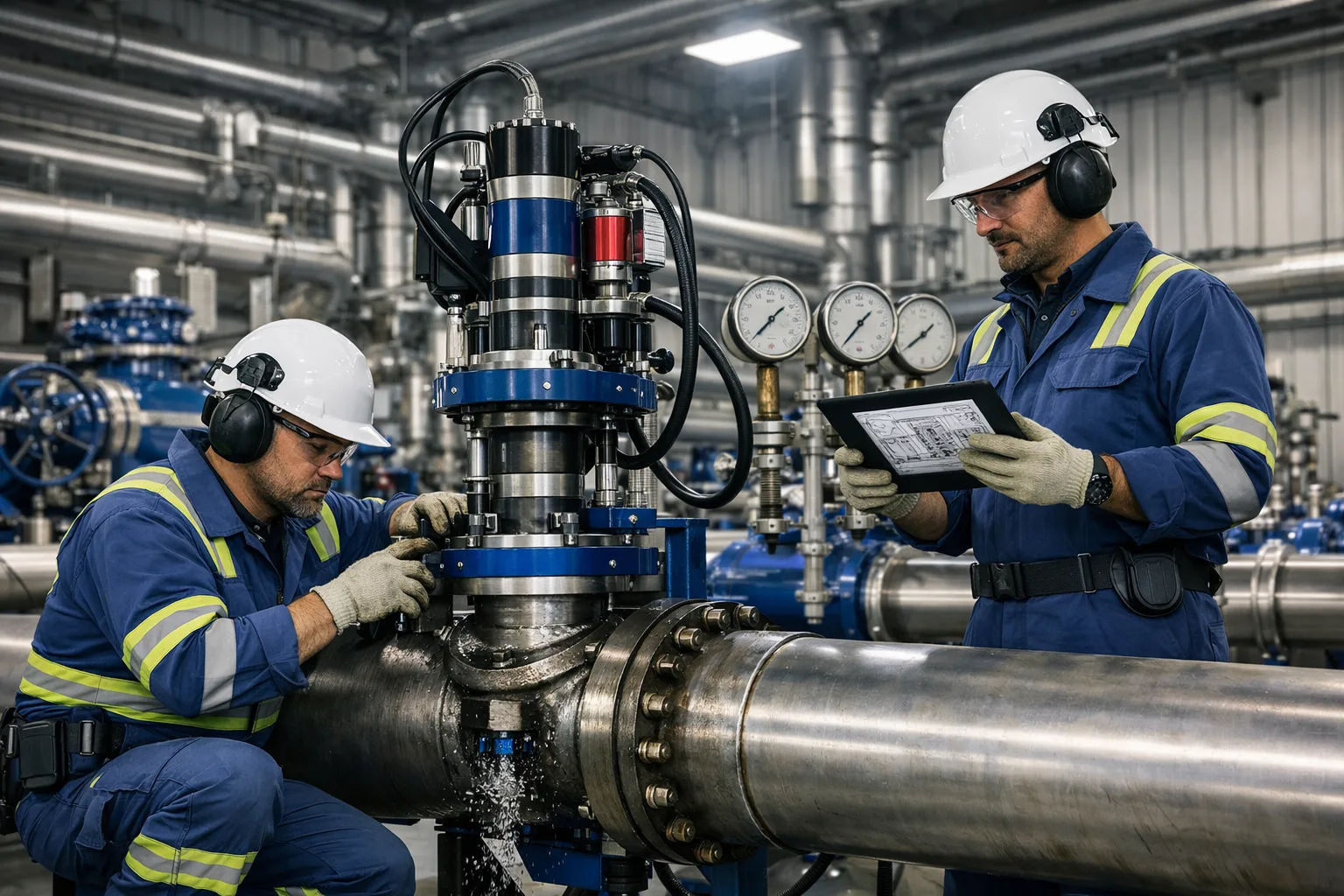
Many factories, commercial buildings, and industrial plants need pipeline maintenance while keeping their systems running. Hot tapping services in Umm Al Quwain are used when a new connection is required without stopping the flow inside the pipeline. This method helps reduce downtime and allows important work to continue safely. It is commonly used in water, gas, oil, and cooling systems where shutting down the line is difficult or costly.
What Are Hot Tapping Services?
Hot tapping is a method used to create a new branch connection on an existing pipeline while the pipe remains in service. A special machine drills into the pipe after a fitting and valve are installed.
This process allows technicians to add new lines, install equipment, or make changes without draining the pipeline. It is widely used in many industries because it helps keep normal operations running during maintenance work.
When Is Hot Tapping Needed?
Hot tapping is useful in many situations where stopping the pipeline is not a good option. Some common examples include:
- Adding a new pipeline connection
- Expanding an industrial system
- Installing pressure gauges or sensors
- Connecting new equipment
- Upgrading existing pipe networks
- Carrying out planned maintenance
Using hot tapping in these situations helps reduce delays and keeps important services available.
Why Avoid Pipeline Shutdowns?
Shutting down a pipeline can affect many parts of an operation. Production may stop, equipment may become inactive, and workers may have to wait until the system is running again.
Hot tapping helps avoid these interruptions. Since the pipeline continues to operate, maintenance work can be completed with less effect on daily activities. This is one reason why many industries choose this method for planned modifications.
Industries That Commonly Use Hot Tapping
Many industries depend on continuous pipeline operation. Hot tapping is often used in places where stopping the flow is not practical.
Some industries include:
- Oil and gas facilities
- Water treatment plants
- Manufacturing factories
- Commercial buildings
- District cooling systems
- Chemical processing plants
- Power generation facilities
Each industry has different pipeline requirements, but the goal remains the same: complete necessary work while the system continues operating.
How the Hot Tapping Process Works
The process starts by checking the condition of the pipeline. Engineers examine the pipe material, operating pressure, temperature, and other important details.
A fitting is attached to the pipeline, followed by a valve. After everything is secured, a hot tapping machine is connected. The machine cuts through the pipe while keeping the product safely contained inside the system.
Once the opening is completed, the cutting tool is removed, the valve is closed, and the new connection is ready for use.
Every step follows a planned procedure to support safe and controlled work.
Benefits of Using Hot Tapping
Hot tapping provides several practical advantages for industrial pipeline systems.
Some important benefits include:
- No need to stop pipeline operations
- Less interruption to daily work
- Saves maintenance time
- Reduces product loss
- Supports planned system upgrades
- Suitable for different pipeline materials
- Helps maintain continuous service
These benefits make hot tapping a preferred maintenance method in many industrial environments.
Safety Checks Before Hot Tapping
Before work begins, several inspections are carried out to make sure the pipeline is suitable for hot tapping.
These checks often include:
- Pipeline condition inspection
- Pressure verification
- Material identification
- Weld quality inspection
- Leak inspection
- Risk assessment
- Equipment testing
Careful preparation helps technicians perform the work according to proper engineering procedures.
Why Professional Planning Is Important
Every pipeline is different. Factors such as pipe size, wall thickness, operating pressure, and the material flowing through the pipeline must all be reviewed before starting the work.
A proper work plan helps identify the correct equipment, suitable cutting tools, and safe working procedures. Good planning also helps reduce unexpected problems during the operation.
For this reason, engineering evaluation is always an important part of any hot tapping project.
Choosing the Right Time for Hot Tapping
Hot tapping is usually planned during scheduled maintenance periods or when new equipment needs to be connected. It is also useful when industrial systems are expanding or when additional monitoring devices must be installed.
Planning the work in advance allows engineers to prepare the equipment, inspect the pipeline, and complete the operation with minimal disruption. Hot tapping services in Umm Al Quwain continue to support industries that need safe pipeline modifications while keeping important systems operating without unnecessary shutdowns.