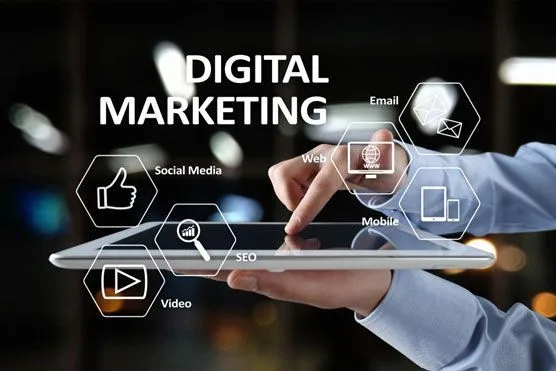
In today's digital world, businesses need more than just a website to reach their customers. They need effective online marketing strategies to build brand awareness, attract potential customers, and grow their business. Digital marketing has become an important skill for students, job seekers, entrepreneurs, and working professionals who want to explore new career opportunities.
A professional digital marketing course helps learners understand how online marketing works and how to use different digital platforms effectively. From search engine optimization (SEO) to social media marketing and online advertising, these skills can help learners develop a strong foundation for a career in the digital industry.
1. Search Engine Optimization (SEO)
Search Engine Optimization, commonly known as SEO, is one of the most important skills in digital marketing. It helps websites improve their visibility on search engines such as Google and attract relevant visitors without relying entirely on paid advertisements.
Through SEO training, learners can understand keyword research, on-page optimization, off-page SEO, technical SEO basics, and content optimization. They can also learn how to use SEO tools to analyze website performance and identify opportunities for improvement.
2. Social Media Marketing
Social media platforms such as Instagram, Facebook, LinkedIn, and YouTube offer businesses valuable opportunities to connect with their target audiences. Social media marketing involves creating engaging content, managing business profiles, planning campaigns, and building relationships with customers.
A digital marketing course can teach learners how to develop content calendars, write engaging captions, understand audience behavior, and evaluate social media performance. These skills are useful for businesses looking to improve their online presence and for professionals interested in social media management.
3. Content Writing and Content Marketing
Content plays a major role in attracting and engaging online audiences. Blog articles, website content, social media posts, email newsletters, and video scripts help businesses communicate their message and provide value to potential customers.
A professional digital marketing course helps learners develop content planning, copywriting, storytelling, and basic SEO writing skills. Learners can understand how to create useful content that matches audience interests while supporting a business's marketing goals.
4. Google Ads and Paid Advertising
Paid advertising allows businesses to promote their products and services to specific audiences through online platforms. Google Ads and social media advertising tools help marketers reach potential customers based on factors such as search intent, interests, and campaign objectives.
During digital marketing training, learners can explore keyword selection, audience targeting, ad copywriting, campaign planning, budgeting, and performance measurement. Understanding paid advertising helps marketers plan campaigns more effectively and identify areas for improvement.
5. Email Marketing
Email marketing remains a useful way for businesses to communicate with customers, share updates, promote offers, and build long-term relationships. It allows marketers to deliver relevant messages directly to people who have chosen to receive them.
A digital marketing course introduces learners to email campaign planning, subject-line writing, audience segmentation, and basic email automation. Learners can also understand how to evaluate email performance through metrics such as open rates, click-through rates, and conversions.
6. Website Management and Analytics
A website often serves as the main online destination for a business. Digital marketers need to understand how websites work, how visitors navigate them, and how to identify opportunities to improve the user experience.
Learners may develop basic website management skills and explore tools such as Google Analytics and Google Search Console. These tools help marketers understand website traffic, identify popular pages, monitor search performance, and make informed decisions based on available data.
7. Graphic Design and Creative Content
Visual content is an important part of online marketing. Attractive social media posts, promotional banners, advertisements, and presentations can help businesses communicate information clearly and maintain a consistent brand identity.
A digital marketing course may introduce learners to design tools such as Canva and basic visual communication principles. These skills can help beginners create simple marketing materials and collaborate more effectively with professional designers.
8. Data Analysis and Marketing Strategy
Successful digital marketing involves more than publishing content or running advertisements. Marketers must also evaluate results and understand whether their activities are achieving the intended goals.
A professional course can introduce learners to important performance indicators, including website visits, engagement rates, leads, conversions, and advertising costs. By learning how to interpret these measurements, students can identify what works, improve campaigns, and make better marketing decisions.
9. AI Tools for Digital Marketing
Artificial intelligence is becoming a useful support tool for digital marketing activities. AI-powered tools can help marketers brainstorm content ideas, organize research, draft copy, analyze information, and develop creative concepts.
Learning to use AI responsibly can improve productivity and support creative work. However, marketers still need to verify information, protect confidential data, and ensure that the final content reflects the brand's goals, accuracy, and tone.
Why Choose a Professional Digital Marketing Course?
Learning digital marketing through a structured course can help beginners understand how different marketing channels work together. Instead of focusing on theory alone, learners can benefit from practical exercises, campaign planning, keyword research, content creation, and performance analysis.
When choosing a course, it is helpful to look for a relevant syllabus, practical assignments, experienced trainers, and opportunities to build a portfolio. These elements can help learners demonstrate their skills and prepare for entry-level roles or freelance projects.
At Dreamztree Training Academy, learners can explore opportunities to develop their knowledge and professional skills through career-focused training. For those searching for the best training institute in Bahrain, it is important to compare course content, practical learning opportunities, and student support before making a decision. A well-structured digital marketing course can be a valuable step toward understanding the industry and preparing for future opportunities.
Career Opportunities After Learning Digital Marketing
Digital marketing skills can support a variety of career paths, depending on a learner's interests, experience, and practical abilities. Some potential roles include:
- SEO Executive
- Social Media Executive
- Content Writer
- Digital Marketing Executive
- PPC or Paid Advertising Specialist
- Email Marketing Executive
- Digital Marketing Analyst
- Freelance Digital Marketer
Learners can also apply their knowledge to promote their own businesses, manage online campaigns for clients, or support the marketing activities of small and medium-sized companies.
Conclusion
Digital marketing combines creativity, communication, technology, and analytical thinking. By learning SEO, social media marketing, content creation, paid advertising, email marketing, and analytics, beginners can build a useful foundation for working in the digital industry.
Choosing the right training programme is an important part of this journey. With consistent practice, a willingness to learn, and guidance from a suitable training provider such as Dreamztree Training Academy, aspiring marketers can strengthen their skills and work toward their professional goals.
Frequently Asked Questions
1. What skills are taught in a digital marketing course?
A digital marketing course commonly covers SEO, social media marketing, content writing, Google Ads, email marketing, website analytics, and digital campaign planning.
2. Is digital marketing suitable for beginners?
Yes. Beginners can start by learning the fundamentals and gradually develop practical skills through assignments, projects, and consistent practice.
3. Do I need coding skills to learn digital marketing?
No. Most digital marketing fundamentals do not require coding knowledge, although basic technical understanding can be helpful for website management and technical SEO.
4. How can I choose the best training institute in Bahrain?
Compare the syllabus, trainer experience, practical assignments, learning support, and opportunities to build a portfolio before enrolling in a course.
5. What career opportunities are available after a digital marketing course?
Depending on their skills and experience, learners may pursue roles in SEO, social media management, content marketing, paid advertising, analytics, or freelance digital marketing.