
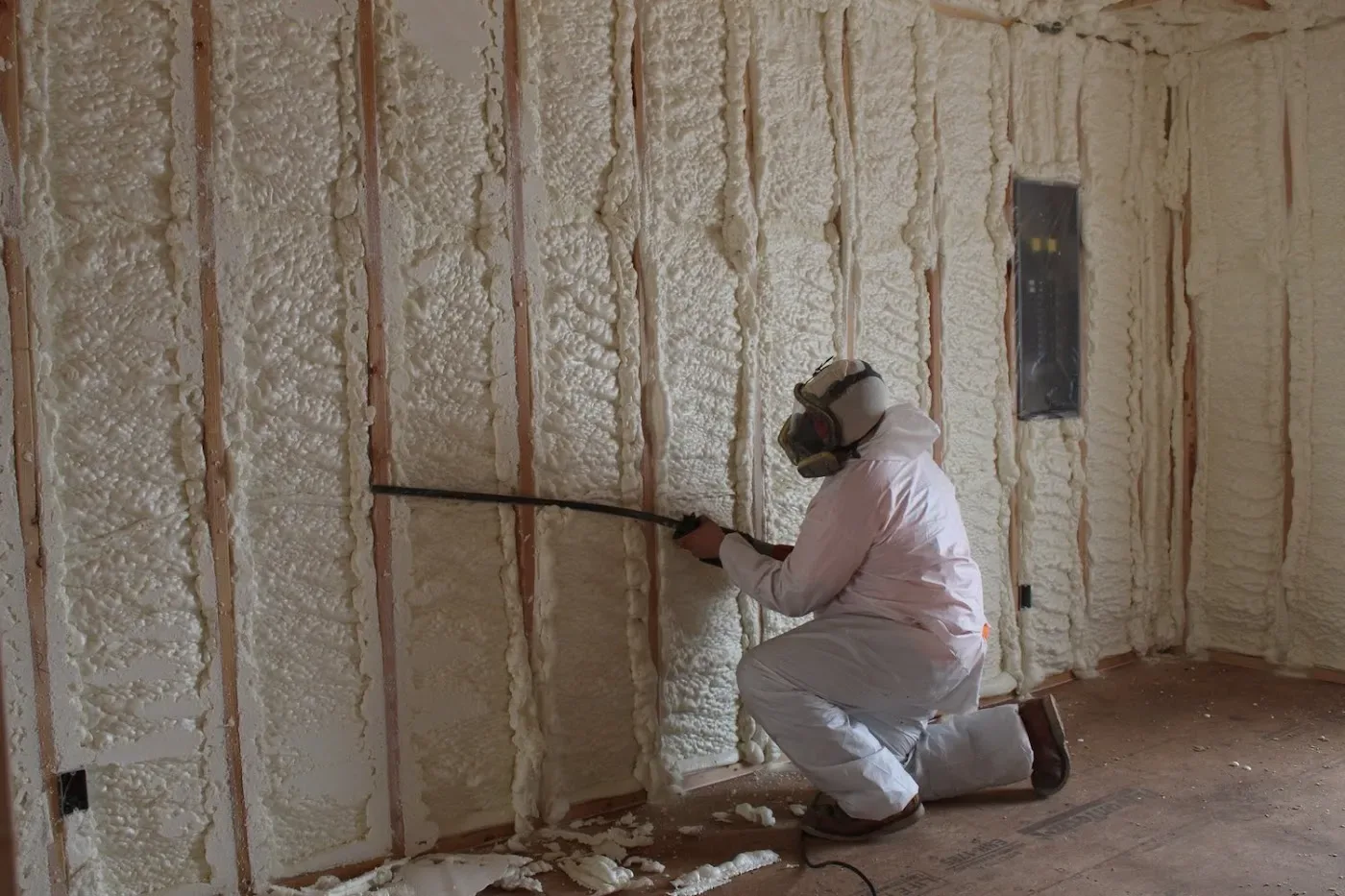
A professional new-construction insulation contractor fixes energy inefficiency, uncomfortable temperature spikes, and poor indoor air quality before they become permanent fixtures in your building. By installing high-grade materials during the framing stage, they prevent air leaks and moisture buildup that often plague homes in Central Texas. These experts ensure your structure meets modern building codes while notably reducing your monthly utility costs from the first day you move in.
Leander experiences extreme heat and fluctuating humidity levels that test the limits of any building envelope. This guide explains how hiring a new-construction insulation contractor helps you avoid common construction pitfalls and long-term maintenance headaches. Years of field experience in the Texas Hill Country show that the right insulation strategy is the most effective way to protect your investment.
How does a professional prevent moisture problems in Central Texas homes?
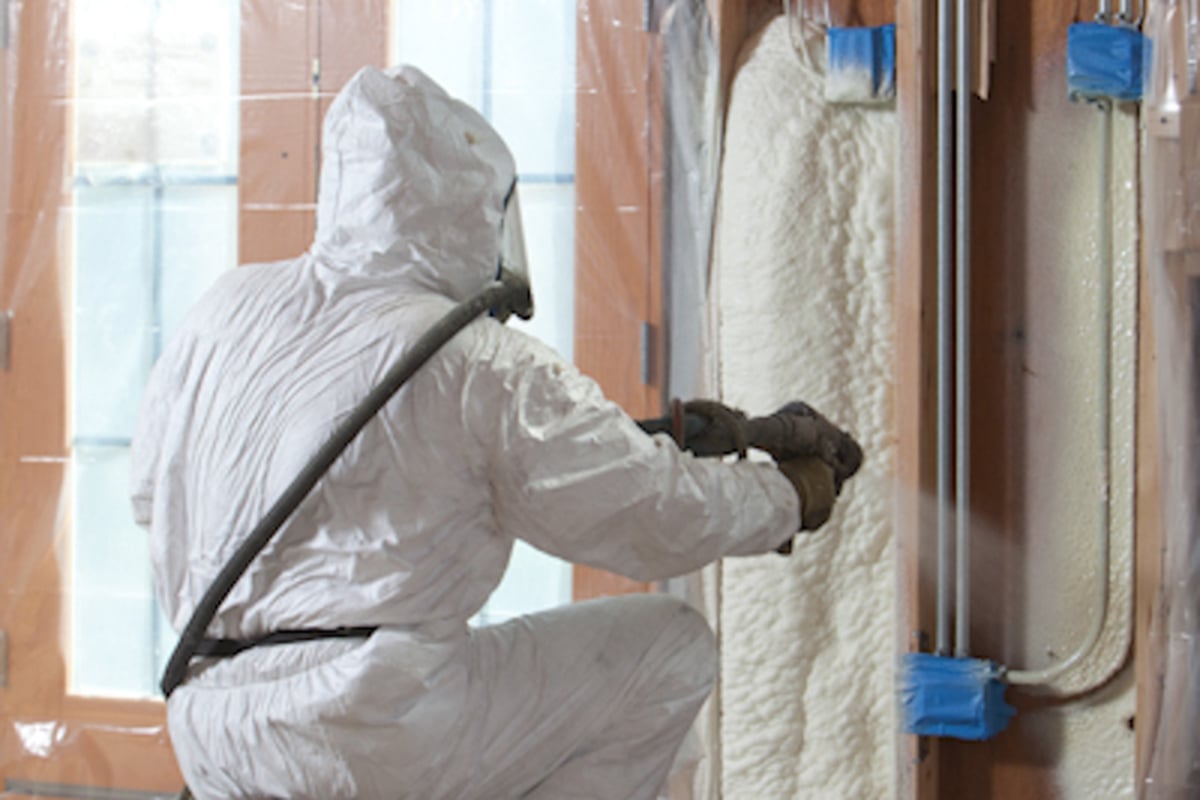
Humidity is a constant challenge in Leander, and trapped moisture leads to mold growth and wood rot. A new-construction insulation contractor addresses this by creating a continuous air barrier. Unlike older methods that leave small gaps around wires and pipes, modern new-construction insulation services seal these entry points completely. This prevents humid air from hitting cold surfaces inside your walls and condensing into water droplets.
They also help you manage the dew point within your wall assembly. If moisture cannot escape or if it settles in the wrong place, it weakens the structural integrity of your studs and joists. Using materials that resist water vapor ensures that your wall cavities stay dry. This proactive approach saves you from the smell of mildew and the high cost of future mold remediation.
Bonus Tip: Always ask about the vapor drive in your specific neighborhood. Homes near local waterways or low-lying areas may require different material densities to handle higher local humidity levels effectively.
Stopping the heat transfer during brutal Texas summers
Leander summers often see temperatures climb well above 100 degrees for weeks at a time. Without proper new-home insulation, your air conditioner works overtime to fight the heat radiating through your roof and walls. A contractor uses high-R-value materials to slow down this heat transfer. This keeps your living spaces cool and reduces the wear and tear on your expensive HVAC system.
Air leakage is responsible for up to 40 percent of energy loss in a typical new build. By focusing on spray-foam insulation during new-home construction, professionals seal the "envelope" of the house. This means the hot Texas air stays outside where it belongs. You will notice that your home maintains a consistent temperature in every room, rather than having a boiling second floor and a freezing kitchen.
Comparing common insulation materials for new builds
Choosing the right material depends on your budget and the specific needs of your floor plan. Different areas of a home require different levels of thermal resistance and air sealing.
Insulation TypeR-Value per InchAir Sealing AbilityBest Use CaseOpen Cell Spray Foam3.5 to 3.8ExcellentInterior walls and atticsClosed Cell Spray Foam6.5 to 7.0SuperiorExterior walls and high moisture areasMineral Wool3.0 to 3.3PoorSoundproofing and fire resistanceFiberglass Batts2.2 to 2.9NoneBudget-friendly floor joists
Reducing noise pollution in growing neighborhoods
Leander is growing fast, which means more traffic and closer neighbors. Investing in new-construction insulation in Leander is one of the best ways to minimise unwanted noise before your home is finished. A professional insulation contractor can install dense materials that dampen sound vibrations, making them ideal for media rooms, home offices, or bedrooms facing busy roads like Highway 183. They can also recommend interior wall treatments that reduce sound transfer between rooms, creating a quieter and more comfortable living environment.
A quiet home feels more private and relaxing. By addressing sound transmission during the construction phase with new-construction insulation in Leander, you can avoid the frustration of hearing televisions in neighbouring rooms or lawnmowers outside. Dense insulation absorbs sound waves instead of allowing them to travel through hollow wall cavities, adding a lasting layer of comfort that is much more difficult and expensive to achieve after the drywall has been installed.
Improving indoor air quality and health
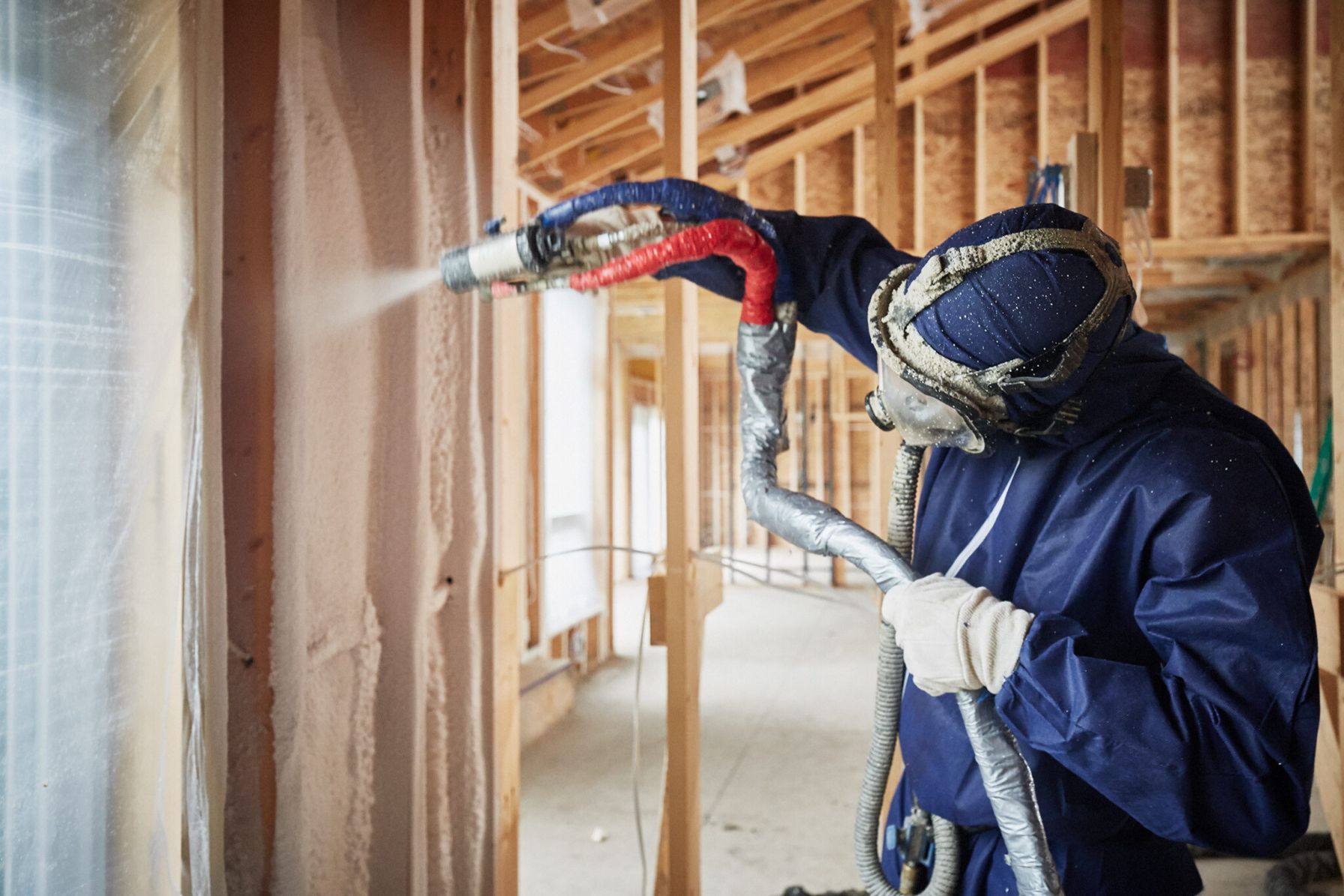
A well-sealed home keeps out more than just heat; it also blocks outdoor pollutants. In Central Texas, cedar pollen and dust are major concerns for people with allergies. A new-construction insulation contractor seals the gaps where these allergens typically enter. This creates a more controlled indoor environment where your air filtration system can work more efficiently.
Recent market data shows that homes with advanced air sealing have 50 percent fewer outdoor pollutants than standard builds. By preventing the "chimney effect," where air is sucked in through the crawlspace and pushed out through the attic, you ensure that the air you breathe is clean. This is a major health benefit for families with asthma or sensitive respiratory systems.
Factors to consider before choosing your insulation plan
Before you sign a contract, you must evaluate the long-term goals for your property. While some materials have a higher upfront cost, they often pay for themselves through energy savings in less than five years. You should also consider the specific orientation of your home. A house with large west-facing windows will need more thermal protection than a shaded property.
- Check the local building codes in Leander to ensure your R-value meets or exceeds requirements.
- Ask about the lifespan of the material to avoid products that sag or settle over time.
- Verify that the contractor has experience with the specific architectural style of your home.
- Discuss the timing of the installation to ensure it happens after wiring but before drywall.
Bonus Tip Request a blower door test after the insulation is installed. This test measures the airtightness of the building and proves that the contractor has successfully sealed the home against leaks.
Why professional installation beats DIY attempts
Insulating a new build is not a simple weekend project. A new-construction insulation contractor has the specialized equipment and safety gear required to handle chemicals and high-pressure spray systems. They understand how to apply materials at the correct temperature and thickness to ensure they bond properly to the frame. Mistakes in application can lead to gaps or, in some cases, persistent odors.
Professionals also know how to work through complex areas like cathedral ceilings and rim joists. These are common spots where heat escapes, yet they are the hardest for an amateur to reach. By hiring an expert, you get a warranty on the labor and the peace of performance. This professional oversight ensures that your home stays efficient for decades without needing expensive corrections later.
Maximizing your property value for the future
Energy efficiency is a top priority for modern home buyers in Texas. When you work with a new-construction insulation contractor, you are essentially building equity into your walls. High-performance insulation is a selling point that sets your property apart in a competitive market. Buyers appreciate knowing that their future utility bills will be manageable even during a heatwave.
Investing in quality insulation today prevents the "hot room" syndrome that often leads to negative home inspections. A house that is easy to cool and quiet to live in will always command a higher price. It shows that the builder and the owner cared about the hidden details that contribute to the overall quality of the structure.
Building a durable and comfortable home
Choosing the right protection for your new build is a decision that affects your comfort every single day. By addressing heat transfer, moisture, and noise during the construction process, you create a sanctuary that stands up to the Texas climate. A new-construction insulation contractor provides the expertise needed to turn a standard frame into a high-performance living space. Take the time to evaluate your options and prioritize the elements that keep your home efficient and healthy for the long term.

Contact local experts for a free insulation quote
If you are planning a build in Leander or the surrounding area, speaking with a specialist is the best way to determine your needs. You can reach out to the team at Spray Foam Tech for professional advice on your project. They offer a wide range of services, including residential and commercial spray foam, as well as mineral wool and interior insulation. Contact them today at (737) 777-9590 or via email at [email protected] to discuss your plans.
Common questions about new home insulation in Leander
How long does the insulation process take during construction?
Most residential projects in Leander take between one and three days to complete, depending on the size of the home. This timeline allows for proper prep work and the curing of materials like spray foam.
Is spray foam safe for families with allergies?
Yes, once the material has fully cured, it is inert and does not off-gas. It actually helps allergy sufferers by creating a seal that keeps outdoor pollen and dust from entering the home.
Does insulation help with pests and insects?
While not a primary pest control method, sealing gaps with spray foam removes the entry points that insects and rodents use to get inside your walls. This makes your home much less accessible to local pests.
Will better insulation help my air conditioner last longer?
Absolutely. When your home holds its temperature effectively, your HVAC system cycles less frequently. This reduces mechanical wear and can extend the life of your unit by several years.
Can I add more insulation after the house is finished?
It is possible to add blown-in insulation to attics later, but insulating the exterior walls is much more difficult and expensive once the drywall is up. It is always best to do it right during the new-construction phase.