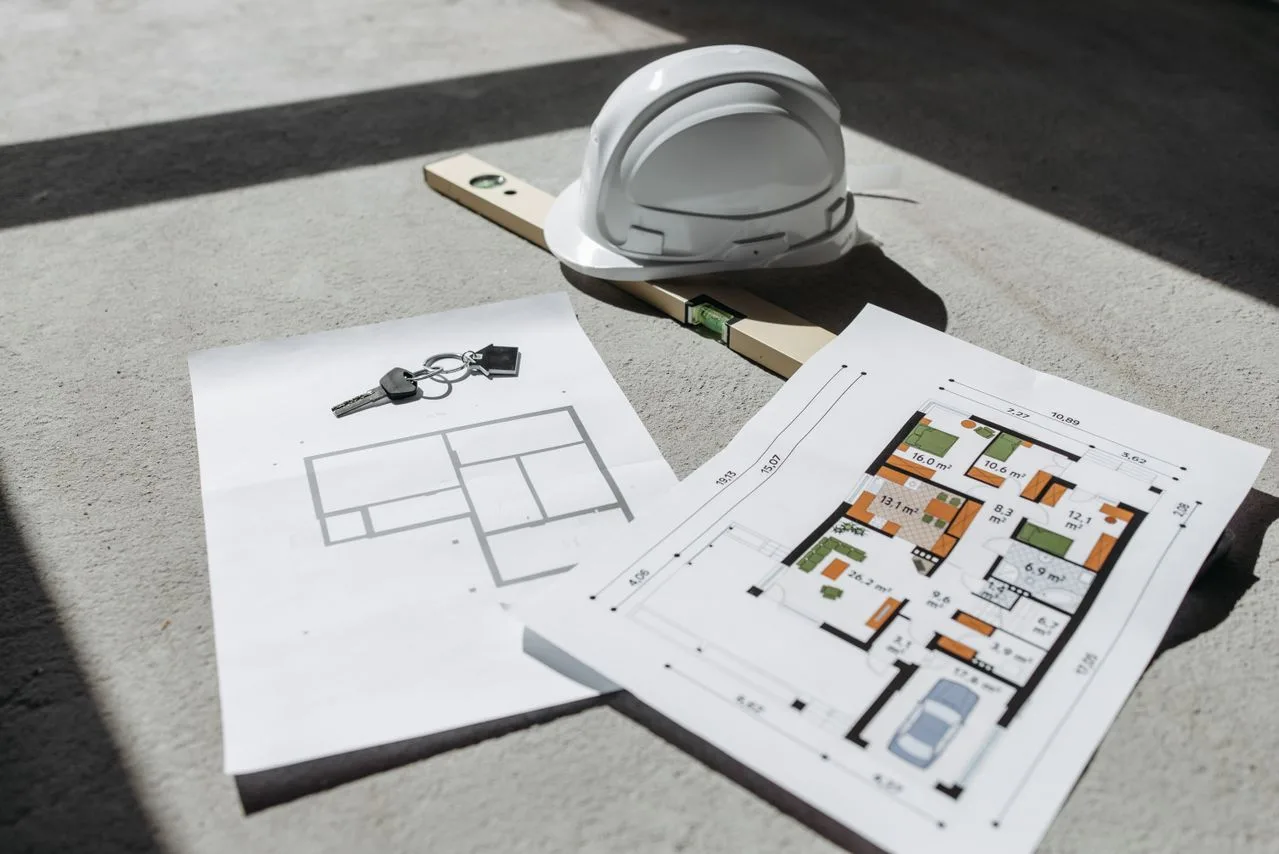

A successful construction project relies on more than just raw materials and blueprints—it depends on the efficiency, coordination, and skill of the construction team. An effective team can bring projects to completion faster, reduce costs, and ensure quality without cutting corners. But what exactly defines an effective construction team? Is it leadership, communication, skill, or planning? The answer lies in the synergy of several elements working together seamlessly.
In this article, we will explore the core attributes that make construction teams effective and examine why these traits are essential for long-term success in a competitive industry.
Strong Leadership and Project Management
Every high-performing construction team begins with leadership. A knowledgeable and experienced project manager or site supervisor helps keep the team aligned, resolves conflicts, and ensures that timelines and budgets are respected. Good leaders anticipate problems before they escalate, coordinate with stakeholders efficiently, and prioritize safety and compliance.
Leadership isn’t about micromanagement—it’s about setting clear expectations, empowering team members, and fostering accountability. With a structured chain of command, decision-making becomes faster and more effective, which ultimately accelerates project delivery.
Clear and Consistent Communication
Effective communication is a cornerstone of any successful construction project. A team that communicates clearly and consistently is more likely to avoid costly mistakes and delays. Whether it’s discussing changes to the blueprint or coordinating deliveries with suppliers, every part of the project depends on the smooth exchange of information.
Digital tools such as construction management software, messaging apps, and project dashboards help maintain open lines of communication between field workers, subcontractors, architects, and clients.
Specialized Roles and Skilled Workers
An effective team consists of individuals with well-defined roles, each contributing their expertise. From civil engineers and architects to electricians and masons, specialization ensures that every part of the job is executed with precision.
Skilled workers bring not just technical knowledge but also practical experience. A team that includes certified tradespeople is more likely to produce durable, safe, and compliant structures. Investing in continual training also ensures that the team remains updated with the latest tools, codes, and best practices.
Proper Planning and Accurate Estimations
No team can function efficiently without a detailed project plan and accurate cost estimations. From procurement schedules to workforce allocation, everything depends on the quality of planning.
This is where professional estimating services can make a difference. They help determine accurate material takeoffs, labor requirements, and costs, reducing the chances of budget overruns. As highlighted in this informative infographic, precision in cost estimation and takeoff planning significantly influences the overall project performance.
Having a solid estimate upfront also empowers the construction team to make realistic commitments and track progress more reliably.
Emphasis on Safety and Compliance
A safe job site is a productive job site. Teams that prioritize safety reduce downtime caused by accidents, minimize insurance claims, and boost worker morale. Effective construction teams don’t just follow safety protocols—they live by them.
Beyond safety, regulatory compliance also plays a critical role. An effective team ensures all necessary permits are obtained, inspections passed, and environmental or labor laws followed meticulously.
Regular safety meetings, site inspections, and training help enforce a strong safety culture, which becomes a critical asset for the entire organization.
Adaptability and Problem-Solving Skills
Unexpected problems are part and parcel of construction projects. Weather delays, material shortages, and design changes can all derail a project if the team isn't adaptable.
An effective team thrives under pressure and can pivot strategies when needed. They rely on experience, data, and collaboration to develop timely solutions. Being reactive isn’t enough—proactive problem-solving separates the good from the truly effective.
Use of Technology and Modern Tools
The construction industry is evolving with the help of digital transformation. An effective team embraces technology—from drones and laser scanning to Building Information Modeling (BIM) and AI-powered analytics.
Teams that use digital tools can plan better, reduce rework, and collaborate more effectively. For instance, platforms like Blaze Estimating offer integrated solutions that improve budgeting, scheduling, and cost-control measures.
By integrating modern tools into their workflow, construction teams increase transparency, productivity, and client satisfaction.
Strong Collaboration Among All Stakeholders
In many construction projects, subcontractors, engineers, designers, and clients are involved. An effective team doesn’t operate in a vacuum—they collaborate across all parties.
They are transparent with clients, coordinated with suppliers, and cooperative with consultants. When everyone is aligned, the project progresses smoothly, and trust builds across all touchpoints.
Collaboration also reduces redundancies and miscommunication, which can otherwise lead to delays and increased costs.
Commitment to Continuous Improvement
A good team delivers; a great team reflects and improves. After every project, effective teams analyze what went well and where things could be improved. This cycle of continuous feedback leads to better future performance.
Teams that document lessons learned, conduct internal audits, and encourage feedback develop a culture of excellence over time. As competition grows, this culture becomes a key differentiator in the market.
Final Thoughts
A truly effective construction team is not just a collection of skilled workers—it’s a dynamic system built on communication, leadership, precision, safety, and adaptability. The integration of modern technology and a focus on collaboration enhance their capability to deliver results on time and within budget.