If your skin looks tired, puffy, or a little dull even after getting enough sleep, you may have come across cryotherapy facials. Unlike traditional facials that rely mainly on cleansing, exfoliation, or masks, this treatment uses controlled cold to give the skin a refreshed and firmer-looking appearance.
For people interested in non-invasive aesthetic treatments, a Cryotherapy Facial treatment can be an option worth understanding, particularly if the main concern is dullness, puffiness, or skin that lacks its usual freshness.
What Is a Cryotherapy Facial?
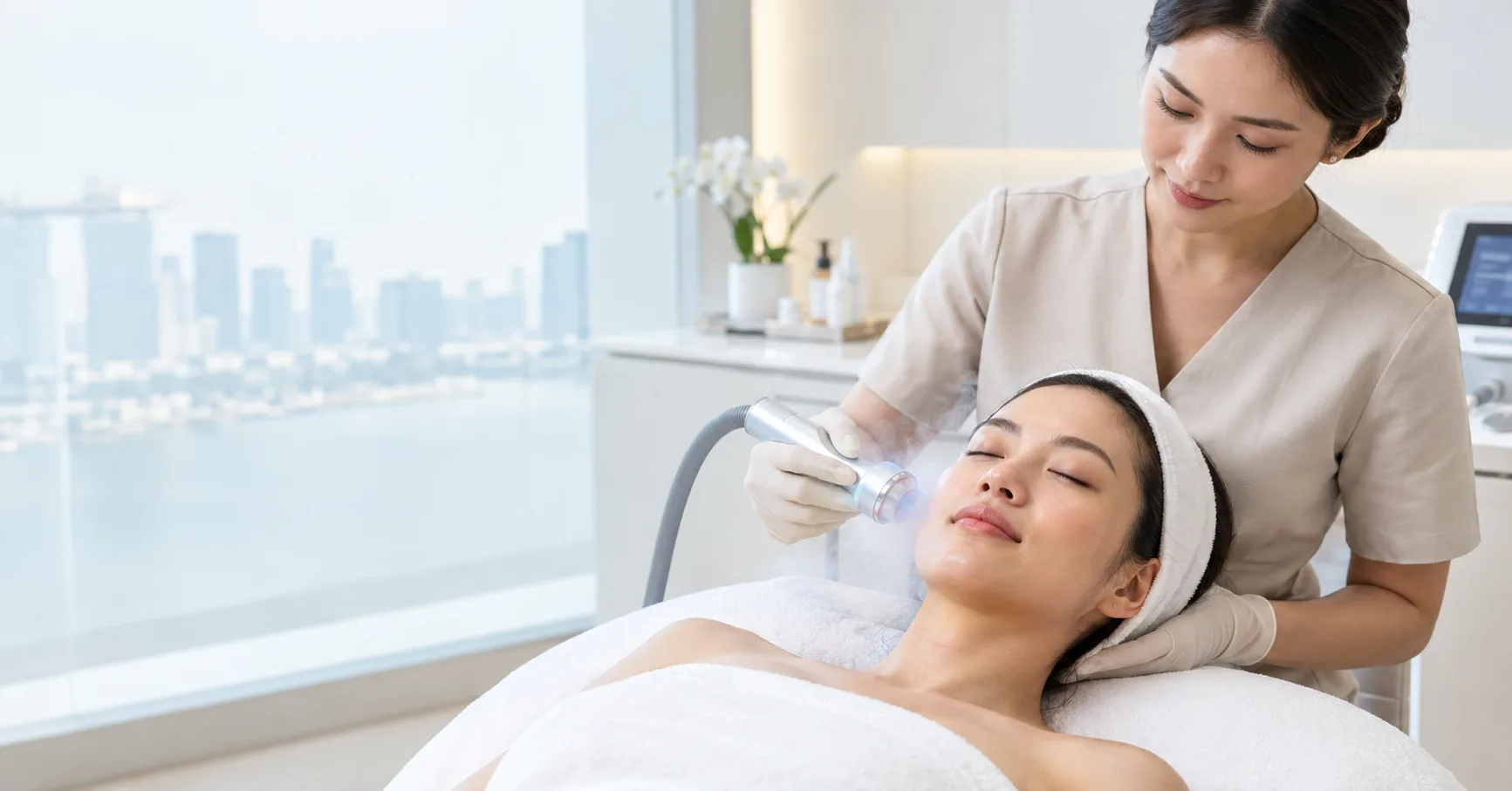
A cryotherapy facial is a cosmetic skin treatment that uses controlled cold temperatures on the face. Depending on the technology being used, this may involve a specialised cooling device or a stream of very cold air or vapour directed over the skin.
The idea is fairly simple: controlled cooling causes the small blood vessels in the skin to temporarily narrow. Once the cooling stops and the skin returns to its normal temperature, circulation increases again. This change in blood flow can leave the face looking brighter, fresher, and more awake.
It is important to understand that a cosmetic cryotherapy facial is not the same thing as medical cryotherapy used to freeze and remove abnormal skin tissue. A facial is designed around controlled exposure and a cosmetic result rather than deliberately damaging tissue.
How Does Cryotherapy Work on the Skin?
The main effect comes from the skin's natural response to cold.
During the treatment, cold causes temporary vasoconstriction, meaning the blood vessels become narrower. This can help reduce the appearance of puffiness and make the skin feel tighter.
As the skin warms back up, the blood vessels widen again. This normal response can increase circulation to the treated area, which is one reason people often notice a healthy-looking glow immediately after a session.
The cooling effect can also temporarily make pores appear less noticeable and give the skin a smoother appearance. However, these effects should not be confused with permanent changes to the structure of the skin.
What Can a Cryotherapy Facial Help With?
Cryotherapy facials are generally chosen by people who want their skin to look more refreshed without undergoing an invasive procedure.
Some of the common concerns include:
- Facial puffiness
- Dull-looking skin
- A tired or fatigued appearance
- Temporarily enlarged-looking pores
- Mild redness or inflammation
- Skin that looks less firm than usual
The results can vary from person to person. Someone with naturally healthy skin may notice a more obvious glow, while someone dealing with a specific skin condition may need a different type of treatment altogether.
What Does the Treatment Feel Like?
One of the first things people usually want to know is whether the treatment is uncomfortable.
You can expect to feel a noticeable cold sensation as the treatment is performed. It should feel controlled rather than painful when the appropriate equipment and technique are used.
A professional will normally assess the skin before treatment and adjust the procedure according to the individual's needs. The face may be cleansed first, followed by the cooling treatment itself and suitable skincare afterward.
The whole appointment is generally relatively short, which is one reason cryotherapy facials appeal to people with busy schedules.
Is There Any Downtime?
One of the main attractions of a cryotherapy facial is that it is non-invasive and usually involves little to no downtime when performed correctly.
Some people may experience temporary redness, tingling, or sensitivity after treatment. These effects generally settle fairly quickly, but the response depends on the individual and the treatment method used.
Because very low temperatures can damage skin when exposure is excessive or poorly controlled, this is not a treatment where more cold automatically means better results. Proper technique matters.
Who Might Consider a Cryotherapy Facial?
A cryotherapy facial may be suitable for someone who wants a quick skin refresh, particularly before an occasion or when the face looks tired or puffy.
It is still important to have the skin assessed beforehand if you have a skin condition, significant sensitivity, or concerns about how your skin may react to cold. A qualified professional should be able to explain whether the treatment is appropriate or whether another option would make more sense.
It is also worth remembering that a cryotherapy facial is a cosmetic treatment. It should not be viewed as a replacement for medical treatment of an underlying skin condition.
Cryotherapy Facial vs. Using Ice at Home
It is easy to assume that a cryotherapy facial is simply a professional version of rubbing ice over the face, but the two are not exactly the same.
A professional treatment uses equipment and controlled exposure rather than leaving an ice cube against one area of the skin. Prolonged direct exposure to extreme cold can cause cold injury, so trying to recreate an intensive cryotherapy treatment at home is not necessarily a good idea.
The benefit of having the treatment performed professionally is that the temperature, movement, exposure time, and condition of the skin can all be taken into consideration.
What Results Can You Expect?
Most people who respond well to cryotherapy notice that their skin looks fresher and more awake after treatment. The face may appear temporarily tighter, less puffy, and brighter.
These visible effects should be viewed realistically. A cryotherapy facial can give the skin a refreshed appearance, but one session should not be expected to permanently erase wrinkles, dramatically reshape the face, or transform the skin overnight.
For longer-term skin concerns, a professional may recommend a treatment plan based on the person's skin condition, goals, and previous treatments rather than relying on a single procedure.
Final Thoughts
Cryotherapy facials have become popular because they offer a simple, non-invasive approach to giving the skin a more refreshed appearance. The treatment works mainly through the skin's response to controlled cold, including temporary changes in blood flow, puffiness, and the way the skin looks and feels.
If you are considering one in Singapore, the most important thing is not simply choosing the coldest or newest treatment available. Look for a professional who understands the treatment, uses appropriate equipment, and takes the condition of your skin into account before proceeding.