
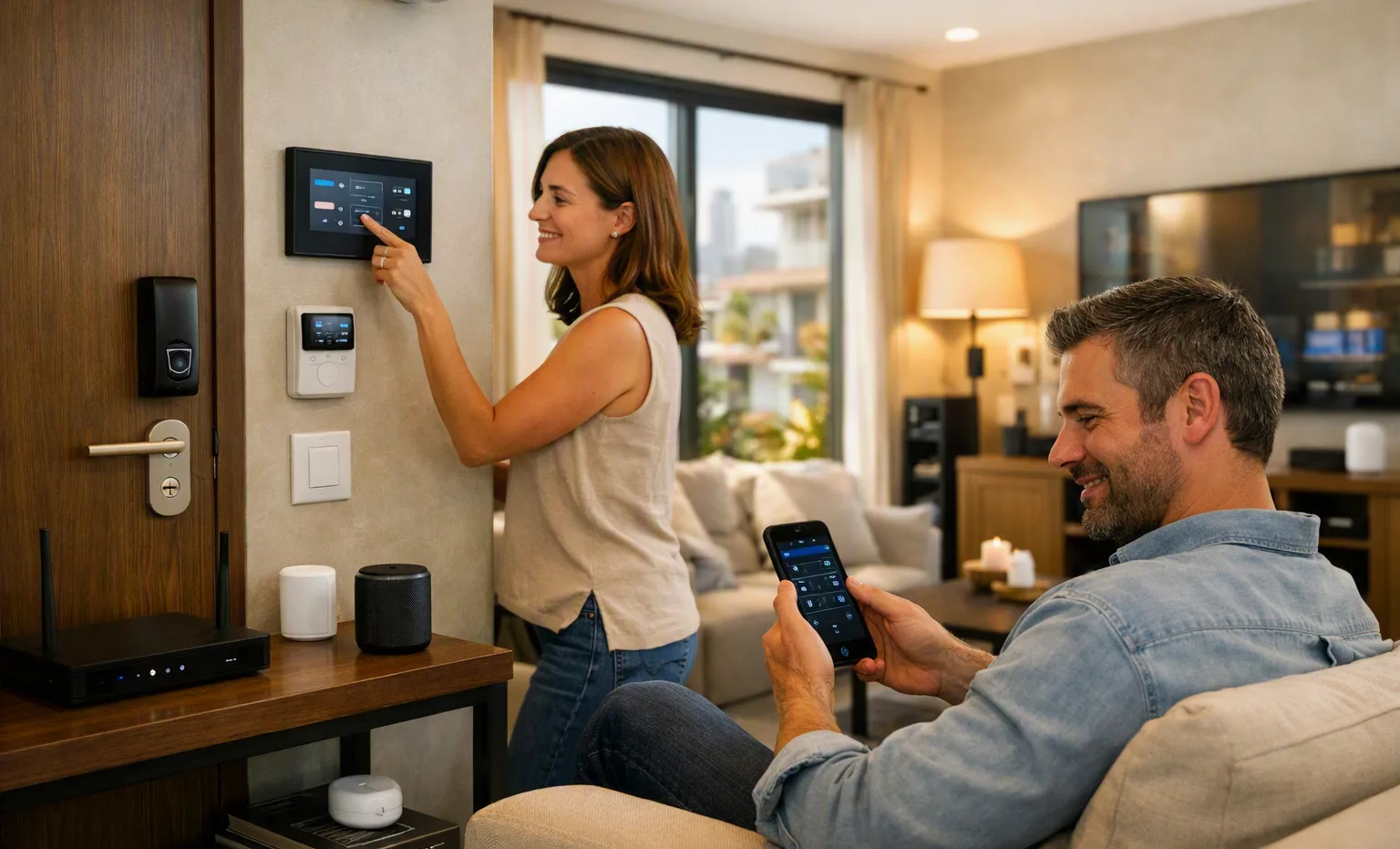
Smart home Dubai systems can make homes more comfortable, secure, and easier to manage, but not every smart device works well with every other device. Compatibility is one of the most important points to check before adding smart lights, cameras, sensors, speakers, locks, or other connected products. A system may have many useful devices, but they need to communicate properly to provide a smooth experience.
Communication Protocols Matter
One of the main factors affecting smart home compatibility is the communication protocol used by a device. Smart products can use different technologies to communicate with each other. Common examples include Wi-Fi, Bluetooth, Zigbee, Z-Wave, and newer standards such as Matter.
Devices using different protocols may not communicate directly. In some cases, a central hub or bridge can connect them. Before buying a new device, it is useful to check which protocols your existing system supports. Choosing devices with compatible communication standards can reduce connection problems and make the system easier to manage.
The Smart Home Hub or Controller
A smart home hub acts as a central point for controlling different devices. Some systems depend heavily on a specific hub, while others can work through a mobile application or cloud service.
The hub must support the devices you want to connect. For example, a lighting system may work with one hub but not another. Some hubs support several communication protocols, which can provide more flexibility when adding new products.
Checking hub compatibility before purchasing devices can help prevent the need for extra equipment later.
Internet and Wi-Fi Network
A reliable network is another important part of smart home compatibility. Many smart devices depend on Wi-Fi to connect with mobile phones, cloud platforms, or other services.
Older routers may not handle a large number of connected devices efficiently. Network coverage can also become a problem in larger homes, especially when devices are installed far from the router.
The Wi-Fi frequency supported by a device also matters. Some products support only 2.4 GHz networks, while others can work with both 2.4 GHz and 5 GHz connections. Checking these requirements can help avoid connection issues.
Operating Systems and Mobile Apps
Smart devices are usually controlled through mobile applications. The compatibility of these applications with your smartphone or tablet can affect how easily the system works.
Some applications support both Android and iOS, while others may have limited features on certain platforms. Regular software updates can also change how devices communicate with an application.
It is important to check whether the device manufacturer continues to provide software updates. Products with outdated applications may become difficult to manage as mobile operating systems change.
Voice Assistant Compatibility
Many people use voice assistants to control lights, thermostats, entertainment systems, and other devices. However, not every smart product works with every voice assistant.
A device may support one platform but have limited or no support for another. Some products may also support voice commands only for certain functions.
Before selecting a device, check whether it works with the voice assistant already used in the home. This can make daily control simpler and reduce the need for separate applications.
Matter and Cross-Brand Compatibility
Matter is a newer smart home standard designed to improve compatibility between products from different manufacturers. It allows supported devices to work across several smart home platforms.
This can make it easier to choose products from different brands without creating a completely separate system for each product. However, support for Matter can vary between devices, and some features may still depend on the manufacturer's own application.
When buying a new smart product, checking its current Matter support can help with future system expansion.
Device Hardware Requirements
Compatibility is not only about software and communication standards. Physical hardware also plays a role. Smart switches, sensors, locks, thermostats, and other devices may have specific installation requirements.
For example, some smart switches may require a neutral wire, while others are designed to work without one. Smart locks may only fit certain door types or locking mechanisms.
Checking the physical requirements before installation helps ensure that a device is suitable for the home.
Software Updates and Long-Term Support
Smart home systems depend on software as well as hardware. Manufacturers regularly release updates to improve security, fix bugs, and add features.
A device that works correctly when purchased may face compatibility problems later if it stops receiving updates. The same can happen when a manufacturer changes or ends support for a cloud service.
For this reason, it is useful to consider the manufacturer's long-term support when selecting smart home products. Devices with active software support are generally easier to maintain over time.
Security and Data Standards
Security can also affect how devices connect and communicate. Smart products need safe methods for transferring information between devices, mobile applications, and online services.
Different manufacturers may use different security systems and data standards. If products cannot securely communicate with one another, they may require an additional hub or service.
Using devices from reliable manufacturers and keeping their software updated can help maintain a safer connected home.
Planning for Future Expansion
A smart home system should not only meet current needs. It should also allow room for future additions. A homeowner may start with smart lighting and later add cameras, door locks, sensors, entertainment devices, or energy controls.
Choosing a system that supports several protocols and widely used standards can provide more flexibility. It also reduces the chance of replacing existing devices when adding new products.
For anyone planning Smart home Dubai solutions, checking protocols, hubs, network requirements, software support, voice platforms, hardware needs, and future expansion options can make it easier to build a compatible system that remains practical over time.