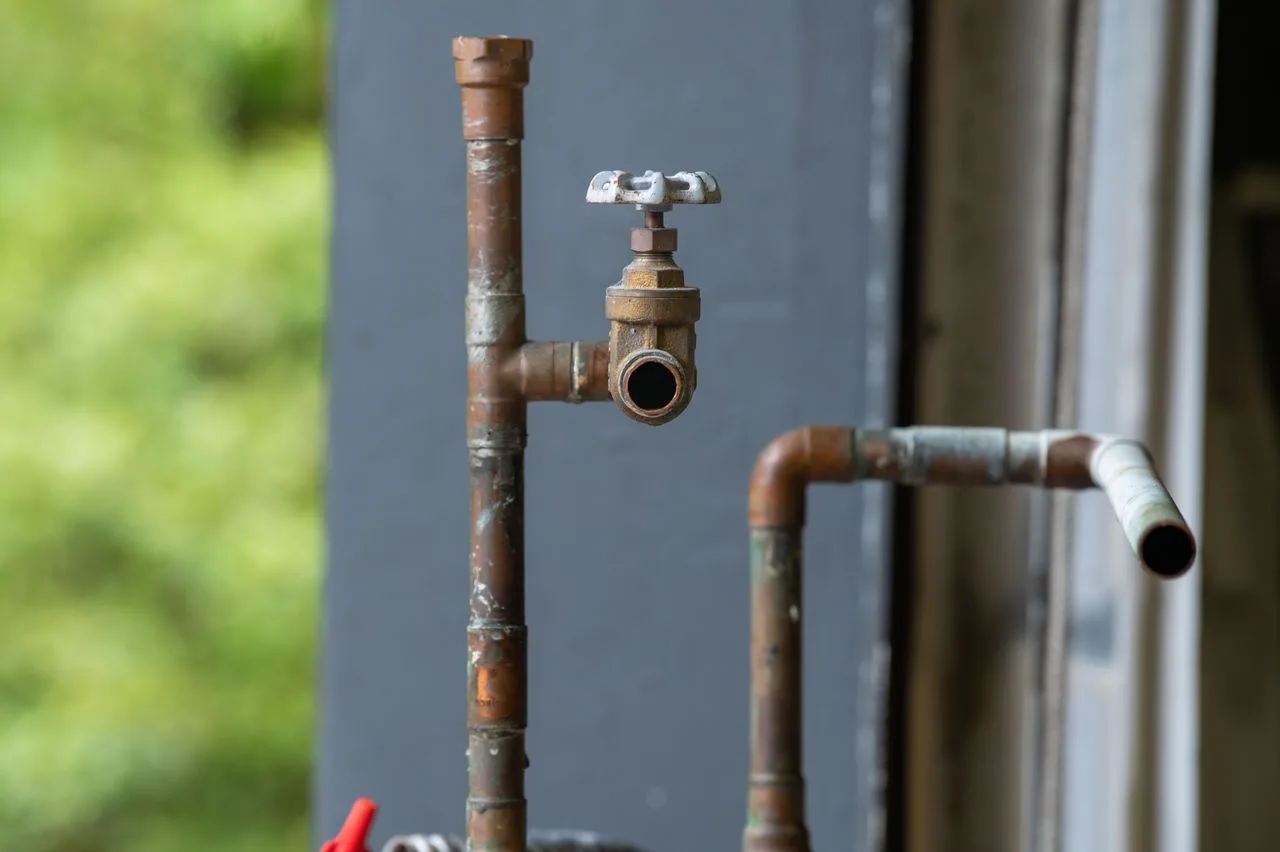
Your plumbing system works quietly behind your walls and beneath your floors, delivering water when you turn a faucet and carrying waste away without much thought. Yet most homeowners understand very little about how these systems function or what signs indicate trouble ahead. The difference between a small, inexpensive repair and a costly emergency often comes down to basic knowledge and early recognition of problems. Understanding your plumbing gives you the power to make informed decisions, prevent damage, and know when professional help is truly necessary. This foundational knowledge protects both your home and your wallet.
How Your Home's Plumbing System Works
Your plumbing system consists of two separate networks that work together to keep your home functioning properly. The supply system brings fresh water into your home under pressure, typically entering through a main water line and then branching to various fixtures throughout the house. The drainage system uses gravity to move wastewater away from your home into a septic tank or municipal sewer line. Understanding this basic division helps you grasp why certain problems occur in specific areas and how water moves through your home. The supply side operates at higher pressure, usually 40 to 60 pounds per square inch, while the drain side relies on proper slope and venting to work effectively. Both systems contain traps, valves, and various connection points that can develop problems over time.
Common Warning Signs That Require Attention
Recognizing early warning signs can prevent minor issues from becoming major headaches and expensive repairs. Slow drains in multiple fixtures often indicate a buildup in your main line, while a single slow drain might simply need a drain cleaning. Discolored water, unusual odors, or reduced water pressure across your entire home warrant investigation, as these symptoms suggest problems with your supply line or main water valve. Unexplained wet spots in your yard, basement, or crawlspace could indicate a leak in your underground supply line or septic system. Listen for unusual sounds like banging pipes, gurgling drains, or hissing noises, which can signal water hammer, venting issues, or gas leaks. Paying attention to these warning signs gives you the opportunity to address problems before they damage your property.
Essential Maintenance Every Homeowner Can Perform
You do not need professional training to perform basic plumbing maintenance that keeps your system running smoothly. Periodically checking under sinks and around toilets for signs of moisture or corrosion helps catch leaks early before they cause structural damage. Cleaning aerators on faucets removes mineral buildup that reduces water flow and can improve water quality throughout your home. Running hot water through drains regularly and using drain strainers to catch hair and debris prevents many common clogs without the need for chemical drain cleaners. Testing your water pressure with an inexpensive gauge alerts you to potential issues with your main water valve or supply line.
Household leaks can waste nearly 10,000 gallons of water per year, making regular maintenance checks a valuable habit for every homeowner. Knowing the location of your main water shutoff valve is equally critical, as this knowledge allows you to stop water flow immediately during an emergency and prevent flooding and water damage. Familiarizing yourself with both the meter location and the shutoff valve before any problem arises ensures you are not searching for them under pressure. These straightforward steps require minimal time and no special tools yet provide meaningful protection for your home.
When to Call a Professional Versus DIY Solutions
Distinguishing between problems you can handle and those requiring professional expertise protects both your plumbing system and your home. Simple clogs caused by hair or soap buildup often respond well to a plunger or manual drain snake, making these reasonable DIY tasks. However, persistent clogs, sewage backups, or problems affecting multiple fixtures throughout your home indicate issues in your main line that require professional equipment and expertise. Water leaks behind walls, under floors, or in crawlspaces demand professional detection and repair, as attempting DIY fixes in these areas often causes more damage than the original leak. When facing these more complex issues, homeowners who rely on a reliable plumber in Long Beach ensure that diagnostics and repairs are handled with the proper tools and licensed expertise. Problems with your water heater, gas lines, or anything involving your septic system should always be handled by qualified professionals. Knowing your limitations protects your investment and ensures repairs are completed correctly the first time.
Understanding Your Water Meter and Bills
Your water meter serves as both a diagnostic tool and a way to monitor your household water consumption. Located typically where the main water line enters your home, the meter measures every gallon of water you use and forms the basis of your water bill. Reading your meter yourself allows you to verify your bills and detect hidden leaks by checking whether the meter continues running when no water is in use. A significant increase in your water bill without corresponding changes in your household habits suggests a leak somewhere in your system. Understanding your typical water usage helps you establish a baseline, making it easier to notice when something changes. This simple monitoring practice catches many leaks early before they cause extensive damage to your home.
Conclusion
Homeowners who understand their plumbing systems make better decisions, prevent costly emergencies, and know exactly when professional help is necessary. Familiarizing yourself with how water enters and leaves your home, recognizing warning signs, and performing simple maintenance creates a foundation of knowledge that serves you well. While you do not need to become an expert plumber, understanding basic concepts and maintaining awareness of your system protects your property investment. Taking time to learn about your plumbing before problems arise gives you confidence and control over one of your home's most critical systems. This knowledge, combined with knowing when to call a professional, ensures your plumbing continues serving your household reliably for years to come.