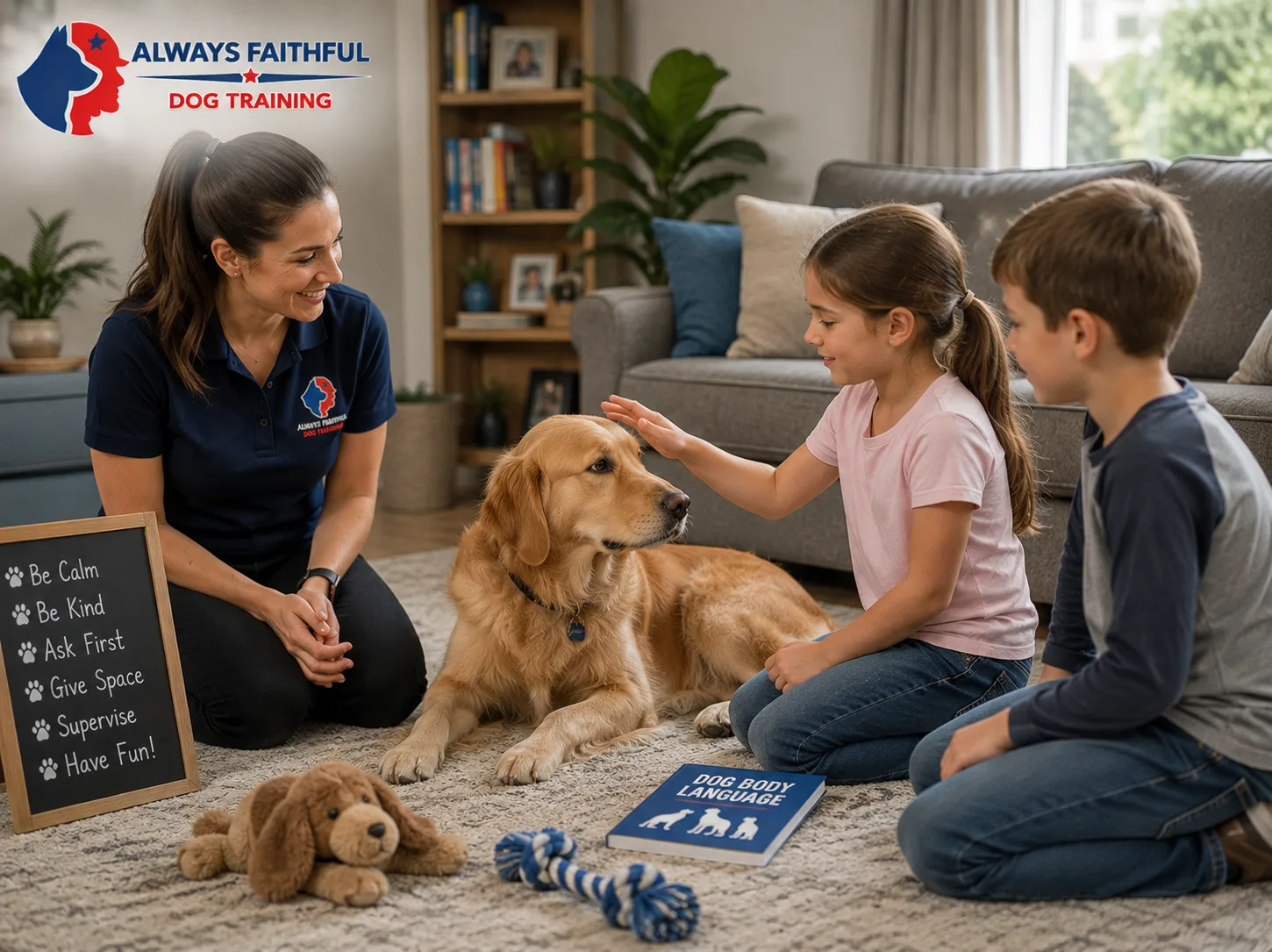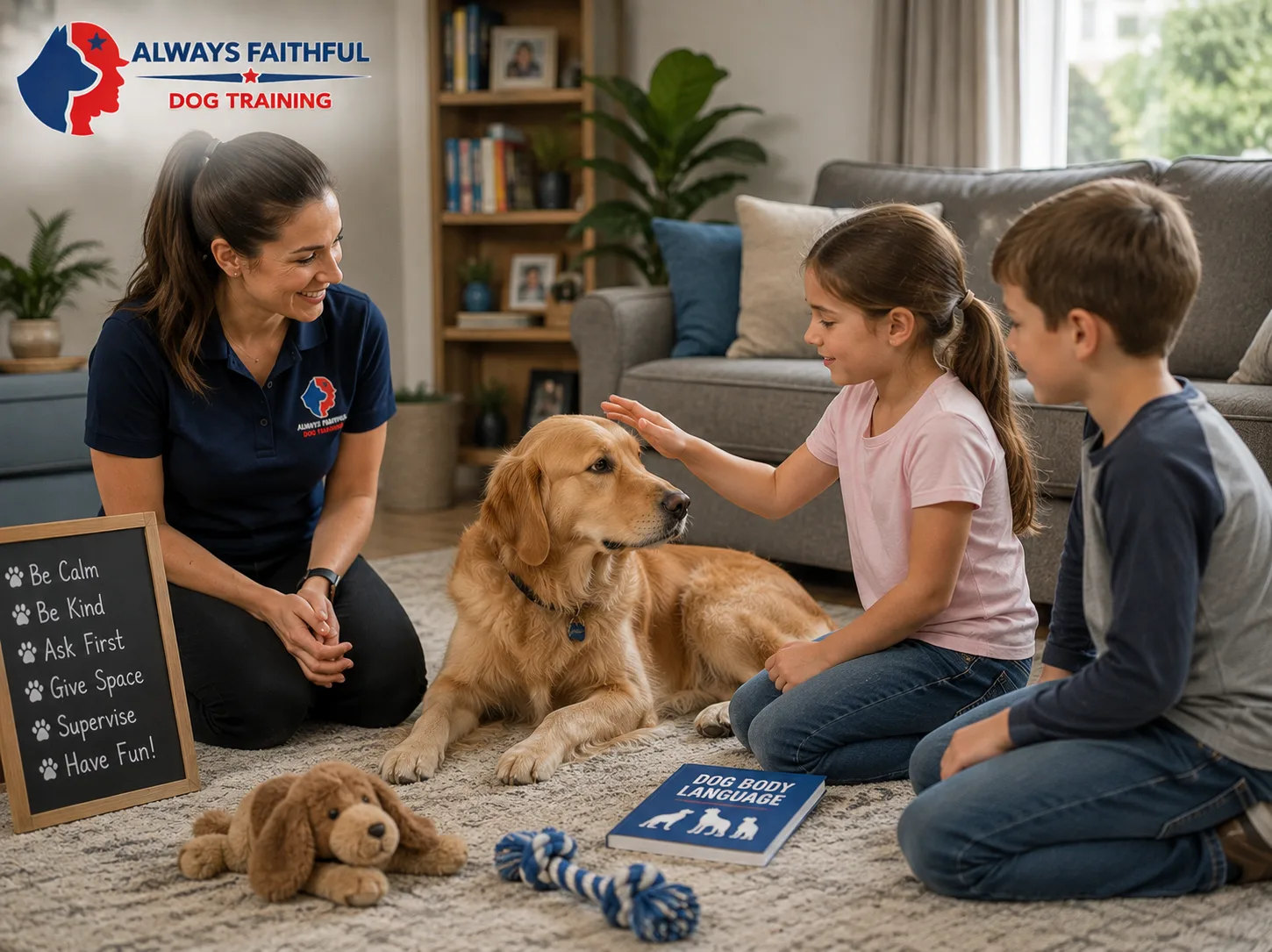
A dog’s ability to respond calmly can make everyday life easier for both the animal and its owner. Household routines rarely remain perfectly predictable. A family member may suddenly enter a room, furniture may be moved, a delivery may arrive, or an unexpected sound may interrupt a dog’s activity. Effective Dog training can help dogs learn that changes do not always require an immediate reaction. For owners researching Dog training Near me, understanding how dogs respond to changing circumstances can also help them choose training that supports practical behavior beyond basic commands.
Dogs Notice More Changes Than Owners Realize
Dogs are highly aware of movement, sounds, smells, and changes in their surroundings. Something that seems insignificant to a person may immediately capture a dog's attention.
A chair being moved across the floor, a new package near the doorway, or someone carrying an unfamiliar object can create curiosity. Some dogs investigate immediately, while others may become cautious or vocal. These reactions are influenced by the individual dog's experiences and confidence.
Rather than expecting a dog to ignore every change, training can teach the animal how to notice something without becoming completely distracted by it. This distinction is important because awareness itself is normal. The goal is to develop a more controlled response.
Why Predictability Can Support Learning
Dogs often become more comfortable when they understand what happens next. Predictable communication allows them to recognize familiar patterns instead of constantly trying to determine what an unexpected event means.
For example, if a dog regularly receives clear direction when someone enters the home, the dog can gradually learn that a person's arrival does not automatically mean rushing toward the doorway. Similar principles can apply when household activities change.
Good Dog training can establish communication patterns that remain useful even when the environment changes. Instead of teaching one response for one exact situation, owners can work toward a broader understanding of listening and following direction.
Introducing Small Changes on Purpose
Training does not always have to wait for an unexpected event. Owners can create controlled situations that allow a dog to practice handling minor changes.
A familiar object can be placed in a different location. A usual walking route can include a new section. A training exercise can be performed in another room. Family members can change their positions while the dog practices remaining attentive.
The key is to avoid creating unnecessary stress. The purpose of these exercises is to help the dog experience manageable changes while still receiving clear communication.
When people search for Dog training Near me, they may benefit from looking for programs that teach transferable skills rather than limiting training to one fixed environment.
Attention Should Not Depend on a Perfect Environment
Some dogs listen very well when everything is quiet but struggle as soon as normal household activity begins. This can happen because the dog has learned the behavior only under highly controlled conditions.
A useful training progression introduces distractions gradually. The dog may first practice in a quiet room, then around normal household movement, and eventually in busier environments.
This allows the dog to understand that listening remains important even when something else is happening nearby. The surrounding activity becomes part of the learning process rather than an automatic reason to abandon the exercise.
Teaching Dogs to Recover After Distraction
A particularly useful skill is recovery. Even a well-trained dog may occasionally become distracted. What matters is what happens afterward.
Suppose a dog hears an unusual sound and turns toward it. Instead of remaining focused on the sound for several minutes, the dog can learn to reconnect with its handler and continue the previous activity.
This recovery process is different from expecting a dog never to notice anything. Dogs will naturally observe changes. Training helps them return to an appropriate behavior after noticing those changes.
Repeated practice can make this response increasingly familiar.
Movement Can Be More Challenging Than Still Objects
A stationary object may attract a dog's attention, but movement often creates a stronger reaction. Someone carrying a large box, a person quickly walking through the room, or an item being moved across the floor can become especially interesting.
Owners can gradually practice attention around controlled movement. The dog might remain in position while a person walks nearby or follow the handler while another household activity takes place.
These exercises can help dogs learn that human movement does not automatically mean they should chase, jump, follow, or interfere.
The Value of Clear Communication
Dogs cannot understand human expectations automatically. Owners need to provide signals that are consistent enough for the dog to recognize.
If one family member allows a behavior while another immediately corrects it, the dog may receive mixed information. Consistent expectations can make training easier to understand.
A professional approach to Dog training can also focus on the relationship between timing and communication. The handler's response should make sense to the dog rather than simply occurring after the unwanted behavior has already escalated.
Giving Dogs a Better Alternative
Stopping an unwanted reaction is only part of training. Dogs also benefit from knowing what they should do instead.
If a dog tends to rush toward activity, an alternative behavior may involve remaining in a designated area. If the dog becomes overly focused on a household disturbance, the desired response may involve returning attention to the handler.
Providing a clear alternative gives the dog a practical path forward. Over time, repeated practice can make the appropriate response easier to recognize.
For owners exploring Dog training Near me, this is an important distinction to consider: useful training should not only identify unwanted behavior but also establish clearer behaviors that can replace it.
Bringing Skills Into Different Parts of Daily Life
A dog may understand a behavior in one room but struggle to perform it somewhere else. This is why changing locations can be useful once the basic skill is established.
Training can move from the living room to the kitchen, hallway, yard, garage, or another familiar setting. Each environment introduces slightly different sounds, surfaces, movement, and distractions.
The dog gradually learns that the same communication still applies even though the surroundings have changed.
This kind of generalization can make training more practical because real life does not happen in one controlled location.
Patience Matters During Environmental Changes
Not every dog adapts to new situations at the same pace. Some dogs investigate confidently, while others require more time before they become comfortable.
Owners should pay attention to the dog's response and adjust the difficulty accordingly. Increasing distractions too quickly can make learning harder rather than faster.
Effective Dog training is often built around repetition, clarity, and gradual progression. The objective is to help the dog understand what is expected without creating unnecessary confusion.
Creating More Reliable Everyday Behavior
Training becomes especially valuable when it can be applied outside formal sessions. A dog that learns to remain attentive while the household changes can potentially handle ordinary disruptions with greater control.
Moving furniture, welcoming visitors, carrying objects, changing rooms, or hearing unexpected sounds are all normal parts of domestic life. Dogs do not need to react strongly to every change.
With structured practice, owners can help establish a pattern in which the dog notices what is happening, evaluates the situation, and remains responsive to human direction.
For people looking into Dog training Near me, choosing training that focuses on adaptable behavior can provide skills that remain relevant long after a formal lesson ends.
Making Everyday Changes Easier to Navigate
A well-structured training routine can give dogs clearer expectations when their environment does not behave exactly as usual. Instead of treating every interruption as a separate problem, owners can build broader skills involving attention, recovery, patience, and communication.
The purpose of Dog training is not to make a dog unaware of its surroundings. It is to help the dog understand how to respond appropriately while staying connected to its handler. When owners research Dog training Near me, practical training that develops these everyday skills can help create clearer communication and more manageable behavior when ordinary household changes occur.