Florida homeowners face a variety of home maintenance challenges throughout the year, from heavy rainfall and high humidity to intense sunlight and seasonal storms. Regular inspections and preventive maintenance can help protect a property, identify minor issues before they become more serious, and keep essential home systems in good condition.
Roofing, drainage, exterior walls, windows, and HVAC systems all deserve attention. For homeowners considering a roof upgrade, understanding the tile roofing benefits for homeowners can also help when planning long-term property maintenance. Tile roofing is known for its durability and weather resistance when properly selected and installed for the local climate.
1. Inspect Your Roof Regularly
The roof is one of the most important parts of a home's protective system. Florida's sun, rain, wind, and storms can place ongoing demands on roofing materials.
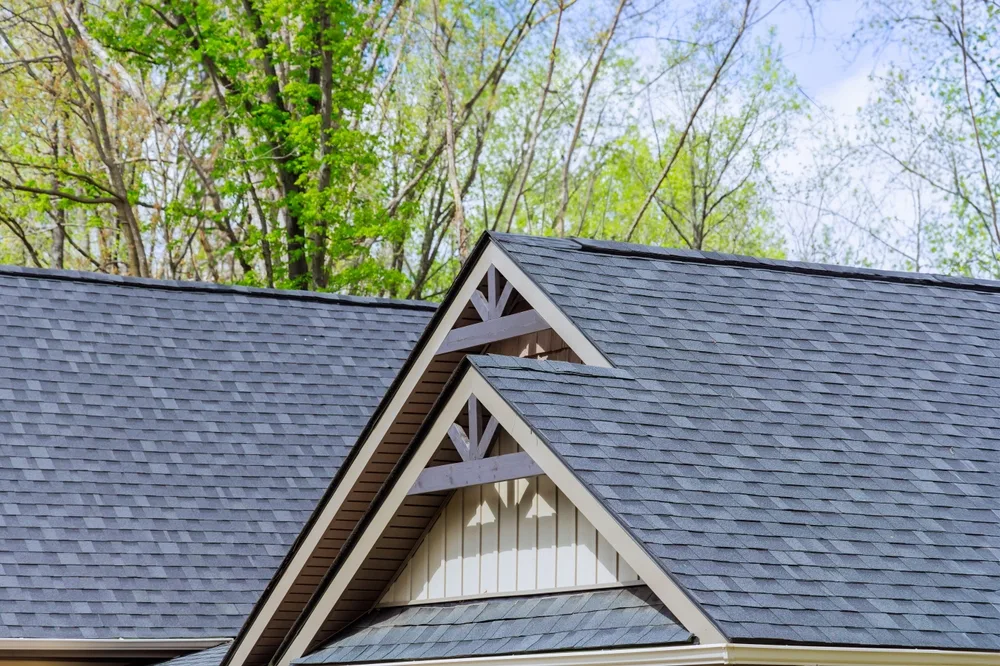
Inspect your roof periodically for visible signs of damage, such as cracked or displaced tiles, missing shingles, damaged flashing, or debris buildup. After severe weather, consider arranging a professional inspection if you suspect damage.
Avoid climbing onto the roof yourself, especially if the surface is wet or damaged. A qualified roofing professional can assess its condition and recommend appropriate maintenance or repairs.
Understand the Benefits of Tile Roofing
Tile roofing is a popular option for some Florida homes because it combines durability with a distinctive appearance. Depending on the material, installation quality, and roofing system, tile may provide resistance to weather exposure and help support long-term roof performance.
Understanding how tile roofing improves home protection can help homeowners evaluate whether this roofing option suits their property. Properly installed tile roofing can provide a durable exterior covering, while the underlayment and other roofing components work together to help manage water intrusion.
Homeowners should also consider the roof structure, applicable building codes, wind ratings, and maintenance requirements before choosing a roofing material.
2. Keep Gutters and Downspouts Clear
Florida's heavy rainfall makes effective drainage essential. Gutters and downspouts help direct water away from the roof, exterior walls, and foundation.
When gutters become clogged with leaves, branches, or other debris, water may overflow and contribute to moisture problems. Check them regularly, particularly after storms and during periods of heavy leaf fall.
Make sure downspouts discharge water away from the foundation where practical. If you notice persistent pooling, erosion, or water entering the home, investigate the drainage problem promptly.
3. Check for Signs of Moisture and Water Intrusion
High humidity and frequent rain can increase the risk of moisture-related issues in Florida homes. Look for water stains on ceilings, bubbling paint, musty odors, damaged caulking, or discoloration around windows and doors.
These signs may indicate a leak or another moisture problem. Address the underlying source rather than simply covering the visible damage with paint or sealant.
After significant rainfall, check accessible areas such as the attic for signs of leaks, damp insulation, or unusual odors. If you suspect roof damage or hidden moisture, consider a professional assessment.
4. Maintain Your HVAC System
Air conditioning is important for indoor comfort in Florida's warm, humid climate. Regular HVAC maintenance can help the system operate as intended and manage indoor humidity.
Replace or clean air filters according to the manufacturer's instructions. Keep outdoor units free from leaves and other debris, and ensure that supply and return vents are not blocked.
Schedule professional servicing as recommended for your system. If you notice unusual noises, weak airflow, persistent humidity, or unexpected changes in energy use, arrange an inspection.
5. Inspect Windows, Doors, and Exterior Seals
Windows and doors are exposed to sunlight, rain, humidity, and wind. Damaged weatherstripping, deteriorating caulk, or loose exterior components can allow water and outside air to enter the home.
Inspect the seals around window frames, doors, and other exterior openings. Replace deteriorated materials where necessary, following the product manufacturer's instructions.
Florida homeowners should also review the condition and performance of their storm-protection features, including shutters or impact-rated windows where installed. Make sure these components are maintained according to the manufacturer's recommendations.
6. Prepare Your Property for Storm Season
Storm preparation should be part of a regular home maintenance routine, rather than something left until a weather warning is issued.
Before storm season, inspect trees for damaged branches, secure outdoor furniture and loose objects, and check that drainage paths are clear. Review your property's roof condition and address known issues before severe weather arrives when possible.
Homeowners should also understand how to use their installed storm-protection systems and keep important insurance and property documents accessible.
No roofing material can make a home completely storm-proof. Roof performance depends on the entire system, including installation, fastening methods, underlayment, structural condition, and compliance with applicable building requirements.
7. Maintain Exterior Walls and Paint
Florida's sun and moisture can gradually affect exterior paint, siding, stucco, and other wall finishes. Inspect exterior surfaces for peeling paint, cracks, damaged trim, or gaps around penetrations.
Repair minor issues using suitable materials, but investigate cracks or damage that appear extensive or continue to return. Properly maintained exterior finishes can help protect the underlying materials from weather exposure.
Keep plants and shrubs from pressing directly against the home's exterior where this could trap moisture or interfere with inspections.
8. Check Attic Ventilation and Insulation
Attic ventilation and insulation play important roles in managing heat and moisture. Poor ventilation or inadequate insulation may contribute to uncomfortable indoor temperatures and unwanted moisture accumulation.
Look for signs of damp insulation, condensation, unusual odors, or roof leaks in accessible attic areas. Do not disturb damaged materials or enter unsafe spaces.
If you are planning a roof replacement, discuss ventilation, insulation, and moisture management with your roofing contractor. These components should be considered alongside the roofing material rather than treated as separate afterthoughts.
9. Inspect Your Home's Foundation and Drainage
Although roofing helps protect the top of a home, water management around the ground level is equally important. Check for standing water near the foundation, soil erosion, damaged exterior drainage components, and cracks that may require professional evaluation.
Make sure the ground slopes away from the home where appropriate and that downspouts do not direct water toward the foundation.
If you notice persistent water accumulation or significant foundation changes, consult a qualified professional to determine the cause and suitable corrective measures.
10. Create a Seasonal Home Maintenance Checklist
A written maintenance schedule makes it easier to track inspections and identify recurring problems. Florida homeowners can organize tasks around seasonal weather conditions.
Throughout the year:
- Check for visible roof damage and signs of leaks.
- Replace HVAC filters as recommended.
- Inspect window and door seals.
- Watch for moisture problems inside the home.
- Keep gutters and drainage paths clear.
Before storm season:
- Arrange a roof inspection if needed.
- Trim hazardous tree branches.
- Secure loose outdoor items.
- Review storm shutters and other protective features.
- Address known exterior and drainage issues.
After severe weather:
- Look for visible damage from the ground.
- Check accessible interior areas for leaks.
- Document damage for insurance purposes if necessary.
- Arrange professional inspections when damage is suspected.
A maintenance checklist should be adapted to the property's age, construction, roofing materials, and specific needs.
Final Thoughts
Maintaining a home in Florida requires regular attention to roofing, drainage, moisture control, ventilation, and storm preparation. Addressing small problems early can help homeowners avoid more extensive damage and make informed decisions about repairs and upgrades.
For homeowners evaluating roofing options, understanding the tile roofing benefits for homeowners can be a useful starting point. Tile may offer durability and weather resistance when the material, installation, and complete roofing system are appropriate for the property.
Regular inspections and professional guidance can help Florida homeowners maintain their properties and plan repairs or improvements with greater confidence.