
Veterinary clinics depend on reliable tools to perform surgical procedures safely and efficiently. Animal patients require precise handling, proper hygiene, and dependable preparation methods before any operation can begin. Surgical equipment used in veterinary settings must meet high standards for cleanliness while remaining practical for daily use. Selecting and maintaining the right veterinary surgical equipment allows clinics to focus on animal well-being while improving operational efficiency.
The Role of Surgical Equipment in Veterinary Practices
Veterinary surgical procedures rely on instruments that are safe, sterile, and ready for immediate use. Unlike general tools, surgical equipment must undergo strict preparation processes to ensure they do not introduce contamination. In animal healthcare environments, where patients vary in size and condition, the reliability of equipment directly affects surgical outcomes.
Properly prepared equipment supports accurate procedures and reduces the likelihood of post-operative complications. Veterinary teams depend on consistent performance from their tools, making sterilization systems a core part of clinical operations. Equipment that can be cleaned and prepared efficiently allows clinics to handle more cases while maintaining high hygiene standards.
Importance of Efficient Sterilization Systems
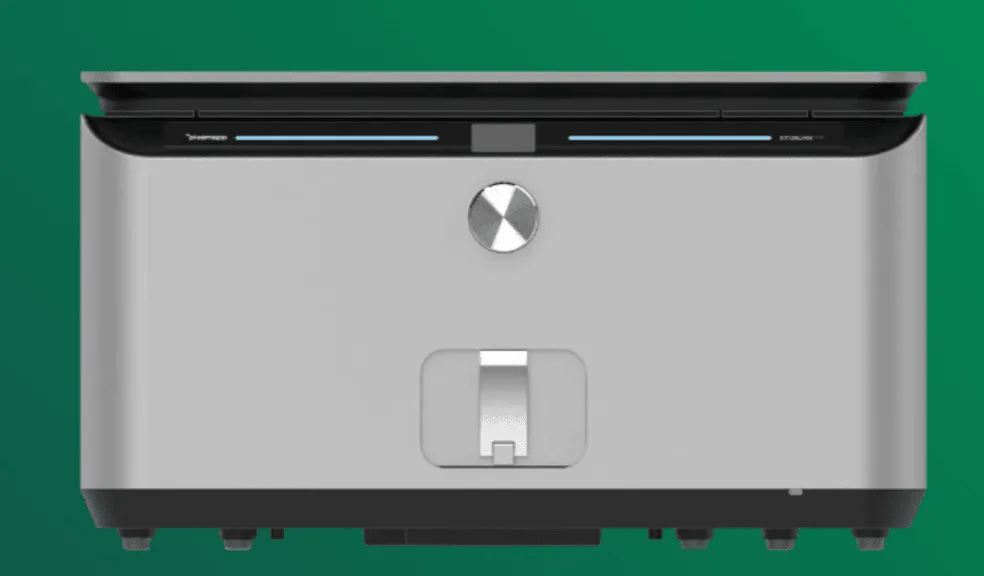
Sterilization is one of the most important steps in preparing surgical equipment for veterinary use. Modern systems are designed to support different equipment volumes and preparation needs. These systems allow veterinary professionals to sterilize instruments quickly while maintaining strict safety protocols.
Smaller sterilization kits are intended for individual instruments. These options are ideal when a single piece of equipment needs to be prepared rapidly for immediate use. The short processing time allows the instrument to move from sterilization to surgery within minutes, supporting urgent procedures and tight schedules.
Supporting a Wide Range of Veterinary Procedures
Veterinary clinics perform a variety of surgical procedures, each requiring specific equipment. From basic operations to advanced interventions, the ability to prepare different tools efficiently is essential. Sterilization systems that accommodate various equipment types help clinics maintain flexibility and readiness.
The capacity to sterilize additional devices along with standard instruments supports comprehensive surgical preparation. Veterinary teams benefit from having all required tools ready at the same time, reducing interruptions during procedures. This coordinated preparation improves focus and contributes to smoother surgical experiences for animal patients.
Reducing Downtime in Veterinary Clinics
Time management is a constant challenge in veterinary practices. Clinics often balance scheduled surgeries with unexpected emergencies. Equipment that can be sterilized quickly helps reduce downtime and keeps operations running smoothly.
Fast preparation cycles mean that clinics do not need to maintain excessive quantities of duplicate instruments. This efficiency reduces storage demands and simplifies inventory management. Veterinary teams can rely on their equipment being ready when needed, supporting better scheduling and patient flow.
Training and Integration of New Equipment
Introducing new surgical equipment into a veterinary practice requires proper instruction. On-site training ensures that veterinary professionals understand how to operate sterilization systems correctly and safely. This guidance helps teams integrate new equipment into their daily routines without disruption.
Hands-on training supports confidence and consistency. When staff members are familiar with equipment operation, they are less likely to make errors during preparation. This reliability helps maintain hygiene standards and ensures that surgical tools are ready for use when required.
Improving Workflow and Staff Confidence
Reliable surgical equipment contributes to a more organized and predictable workflow. Veterinary professionals can plan procedures more effectively when they know how long equipment preparation will take. Consistent sterilization times allow for better coordination between team members.
Confidence in equipment readiness reduces stress within the clinic. Veterinary teams can focus on patient care rather than worrying about tool availability. This stability supports a positive working environment and allows staff to perform their roles more effectively.
Adapting to Practice Growth
As veterinary practices expand, their surgical needs often increase. Flexible equipment systems allow clinics to adjust their operations without major changes. Smaller kits can continue supporting routine needs, while larger systems handle more demanding procedures.
This adaptability supports gradual growth. Clinics can expand their equipment preparation capacity as needed, ensuring that surgical readiness keeps pace with patient volume. Scalable solutions help practices plan for the future while maintaining current standards.
Supporting Animal Welfare Through Reliable Equipment
Every aspect of veterinary surgery affects animal well-being. Properly prepared equipment supports safe procedures and smoother recoveries. Reliable sterilization reduces infection risks and supports better healing outcomes.
Veterinary professionals rely on equipment that performs consistently. Using dependable veterinarian surgical equipment allows teams to focus on delivering compassionate care. When tools are ready and safe, attention can remain on the needs of animal patients.
Conclusion
Surgical equipment plays a vital role in modern veterinary care. Efficient sterilization systems, adaptable capacity options, and proper training support safe and effective procedures. Clinics that invest in reliable preparation methods benefit from improved workflow, reduced stress, and consistent hygiene standards.
By selecting and maintaining appropriate veterinarian surgical equipment, veterinary practices can enhance patient care while supporting their teams. Reliable tools and preparation systems help ensure that every surgical procedure is performed with confidence, safety, and a focus on animal health.