Healthcare has made remarkable advances over the past decade, but one challenge continues to affect millions of people worldwide: access to specialist medical care in rural and remote communities. While urban hospitals often have teams of experienced specialists and access to cutting-edge technology, many rural healthcare facilities struggle with limited resources, staffing shortages, and long distances between patients and experts.
For patients living in remote areas, receiving specialist care can involve hours of travel, expensive transportation, lengthy waiting times, or even relocating temporarily for treatment. These barriers can delay diagnoses, increase healthcare costs, and negatively impact patient outcomes.
Fortunately, technology is helping bridge this gap. One of the most promising innovations transforming healthcare in 2026 is Augmented Reality (AR). By combining wearable smart glasses, real-time video communication, and digital collaboration tools, AR enables specialists to provide immediate guidance to healthcare professionals without being physically present.
Remote specialist support powered by AR is changing how medical teams collaborate, making expert knowledge available wherever it is needed. From emergency care and surgery to medical education and routine consultations, AR is helping rural healthcare providers deliver higher-quality care while reducing delays and improving patient access.
The Healthcare Challenges Facing Rural Communities
Healthcare inequalities between urban and rural regions have existed for decades. Smaller hospitals and clinics often serve large geographical areas with fewer medical professionals and limited specialist services.
Common challenges include:
- Shortage of specialist doctors
- Limited diagnostic equipment
- Long patient travel distances
- Delayed referrals
- Emergency response limitations
- High operational costs
- Workforce burnout
- Difficulty attracting experienced clinicians
These challenges place significant pressure on rural healthcare teams, who are frequently required to manage complex cases beyond their area of expertise until specialist assistance becomes available.
For patients, these limitations can mean delayed treatment, additional stress, and increased healthcare expenses.
What Is AR Remote Specialist Support?
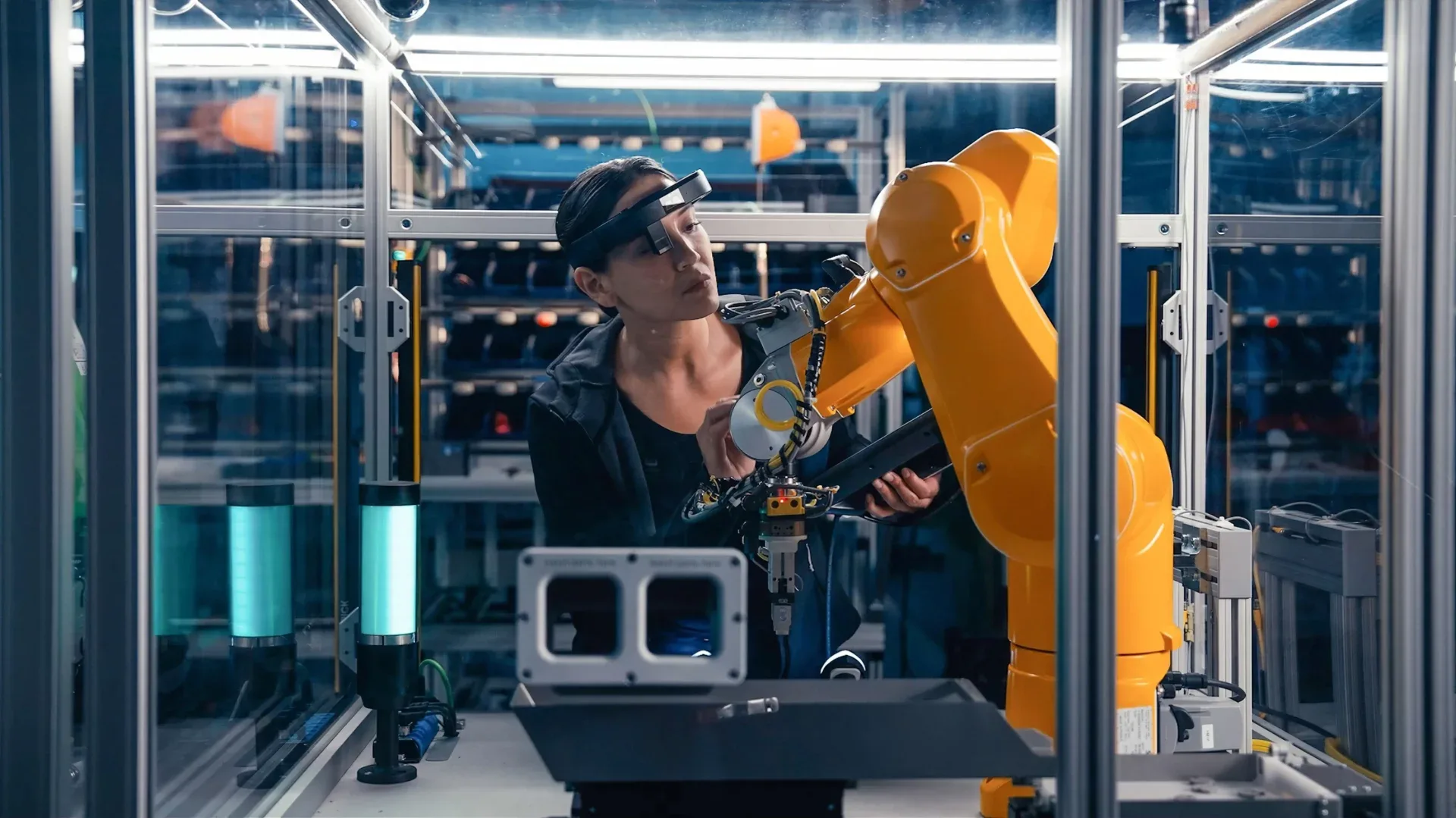
Augmented Reality allows digital information to be displayed within a user's real-world environment. In healthcare, AR typically uses wearable smart glasses equipped with cameras, microphones, displays, and secure communication software.
When a rural clinician wears AR smart glasses, a remote specialist can see exactly what the clinician sees in real time. Instead of relying only on phone calls or static images, the specialist gains a live, first-person view of the patient's condition or medical procedure.
The remote expert can then:
- Observe examinations
- Provide step-by-step guidance
- Annotate directly onto the clinician's display
- Share medical images or documentation
- Recommend treatment decisions
- Answer questions instantly
This creates a collaborative environment where expert support is available regardless of geographical location.
Bringing Specialist Knowledge to the Point of Care
One of AR's greatest strengths is its ability to deliver expertise directly to frontline healthcare workers.
Instead of transferring every complex case to a metropolitan hospital, rural clinicians can receive immediate guidance while treating patients locally.
This benefits both patients and healthcare providers by:
- Reducing unnecessary patient transfers
- Improving confidence among rural clinicians
- Supporting faster clinical decisions
- Enhancing patient safety
- Reducing delays in treatment
Patients receive care sooner while remaining closer to family and community support networks.
Supporting Emergency Medicine
Emergency situations require rapid decision-making, and rural emergency departments often operate without on-site specialists.
AR enables emergency physicians to connect instantly with trauma surgeons, neurologists, cardiologists, or intensive care specialists.
Examples include:
- Stroke assessments
- Major trauma
- Severe burns
- Cardiac emergencies
- Complex fractures
- Respiratory distress
- Poisoning cases
Instead of waiting for patient transfer or specialist arrival, clinicians receive immediate expert guidance that can significantly improve treatment outcomes during critical moments.
Enhancing Surgical Collaboration
Although many advanced surgeries still require specialist teams, numerous procedures performed in regional hospitals can benefit from remote surgical support.
Using AR smart glasses, surgeons performing procedures can receive assistance from specialists located hundreds or even thousands of kilometres away.
Remote experts can:
- Observe the surgical field
- Review imaging
- Highlight anatomical structures
- Provide procedural recommendations
- Assist with unexpected complications
This collaborative approach expands the capabilities of regional hospitals while maintaining high standards of patient care.
Improving Maternal and Neonatal Care
Pregnancy complications can become life-threatening if specialist support is unavailable.
AR enables obstetricians and neonatal specialists to assist rural healthcare teams during:
- High-risk deliveries
- Neonatal resuscitation
- Obstetric emergencies
- Premature births
- Postpartum complications
Real-time collaboration helps ensure both mothers and newborns receive timely interventions when every minute matters.
Remote Support for Chronic Disease Management
Many rural communities experience higher rates of chronic illnesses such as diabetes, heart disease, respiratory disorders, and kidney disease.
Managing these conditions often requires multidisciplinary input from specialists.
AR allows rural clinicians to consult endocrinologists, cardiologists, respiratory physicians, and nephrologists without requiring patients to travel for every appointment.
This approach promotes:
- Earlier interventions
- Better disease monitoring
- Improved medication management
- More personalised treatment plans
- Increased patient satisfaction
Regular access to specialist advice helps improve long-term health outcomes.
Empowering Rural Healthcare Professionals
Healthcare workers in remote areas often work with greater autonomy than their urban counterparts.
While this independence builds valuable experience, it can also create professional isolation.
AR provides continuous access to expert mentorship.
Clinicians gain confidence knowing specialist advice is only moments away.
This support helps reduce workplace stress while improving clinical decision-making.
It also contributes to staff retention by creating a more connected and collaborative working environment.
Transforming Medical Training
Rural hospitals sometimes struggle to provide ongoing professional development opportunities.
Travelling to major cities for training requires time, funding, and workforce coverage.
AR enables immersive remote education.
Medical professionals can:
- Participate in live demonstrations
- Observe specialist procedures
- Receive interactive coaching
- Complete practical assessments
- Learn new clinical techniques
Training becomes more accessible, reducing educational barriers while improving workforce capability.
Supporting Nursing Staff
Nurses play an essential role in rural healthcare.
AR assists nursing teams during:
- Wound management
- Intravenous access
- Medication administration
- Infection control
- Patient assessments
- Emergency response
Experienced nurses can also mentor junior staff remotely using live visual guidance.
This improves consistency while reducing uncertainty during unfamiliar procedures.
Better Patient Outcomes
Ultimately, healthcare technology should improve patient care.
AR contributes to better outcomes by enabling:
- Earlier diagnosis
- Faster treatment
- Reduced complications
- Greater treatment accuracy
- Improved continuity of care
- Better collaboration between healthcare providers
Patients benefit from receiving specialist-informed care without unnecessary travel or prolonged waiting periods.
Reducing Healthcare Costs
Healthcare budgets face increasing pressure worldwide.
Patient transfers, specialist travel, accommodation, and delayed treatment all contribute to rising costs.
AR in healthcare reduces these expenses by allowing specialists to support multiple facilities remotely.
Healthcare organisations save money through:
- Fewer patient transfers
- Reduced clinician travel
- Shorter hospital stays
- Lower operational costs
- Improved resource utilisation
The financial benefits make AR an increasingly attractive investment for healthcare systems.
AI and AR Working Together
Artificial Intelligence is making AR even more valuable.
Modern healthcare AR platforms increasingly incorporate AI features such as:
- Voice documentation
- Clinical note generation
- Medical image recognition
- Equipment identification
- Procedure recommendations
- Real-time translation
- Clinical workflow automation
Rather than replacing clinicians, AI reduces administrative tasks while allowing healthcare professionals to focus more attention on patient care.
Strengthening Telehealth
Telehealth has expanded significantly in recent years, but conventional video consultations have limitations.
Standard video calls typically rely on fixed cameras or handheld devices.
AR takes telehealth further.
Instead of watching from a stationary angle, specialists experience the consultation through the clinician's perspective.
This creates a far more interactive and clinically useful consultation.
Experts can guide physical examinations, identify subtle findings, and assist with procedures that would otherwise be impossible through conventional video conferencing.
Data Security and Patient Privacy
Healthcare organisations place enormous importance on protecting patient information.
Modern AR healthcare platforms are designed with enterprise-grade security features including:
- End-to-end encryption
- Secure authentication
- Role-based access
- Compliance with healthcare privacy regulations
- Audit logging
- Secure cloud infrastructure
These safeguards help ensure patient confidentiality while enabling effective remote collaboration.
Real-World Applications Across Rural Healthcare
AR is already proving valuable across numerous medical specialties.
Common applications include:
Emergency Departments
Rapid trauma consultations, stroke evaluations, and emergency procedures.
General Practice
Remote specialist consultations for complex patient cases.
Community Health Clinics
Support for chronic disease management and preventative healthcare.
Indigenous Healthcare Services
Improved access to culturally appropriate specialist care without requiring long-distance travel.
Ambulance Services
Paramedics receive specialist guidance while transporting critically ill patients.
Rural Hospitals
Enhanced access to surgical, medical, and intensive care expertise.
The Role of Smart Glasses
Wearable AR devices have become significantly more practical in 2026.
Healthcare-focused smart glasses are:
- Lightweight
- Comfortable during extended use
- Voice controlled
- High resolution
- Easy to disinfect
- Compatible with personal protective equipment
- Designed for clinical environments
Hands-free operation allows clinicians to maintain sterile technique while communicating with remote experts.
This represents a major improvement over handheld devices or tablets.
How RealTime AR Supports Rural Healthcare Innovation
Successfully implementing augmented reality in healthcare requires more than simply purchasing smart glasses. Healthcare providers need secure, reliable solutions that integrate seamlessly into clinical workflows while supporting patient safety, regulatory compliance, and real-world operational demands.
RealTime AR helps healthcare organisations adopt enterprise-grade augmented reality technologies that enable remote specialist collaboration, hands-free clinical support, and digital healthcare transformation.
By working with globally recognised manufacturers of assisted reality and wearable computing devices, RealTime AR provides solutions designed for demanding healthcare environments where reliability, clarity, and ease of use are essential.
Healthcare providers can use RealTime AR solutions to support:
- Remote specialist consultations
- Live clinical collaboration
- Hands-free access to patient information
- Medical training and education
- Surgical assistance
- Remote mentoring
- Clinical workflow guidance
- Healthcare documentation
- AI-assisted frontline support
Whether supporting rural hospitals, regional medical centres, emergency response teams, or community healthcare providers, RealTime AR enables organisations to extend specialist expertise beyond traditional hospital walls.
By helping clinicians collaborate more effectively regardless of location, RealTime AR contributes to better patient access, improved workforce capability, and more connected healthcare systems.
Challenges to Adoption
Although AR offers enormous potential, successful implementation requires careful planning.
Healthcare organisations should consider:
- Network connectivity in remote areas
- Device management
- Staff training
- Clinical workflow integration
- Data governance
- Cybersecurity
- Change management
Pilot programs often provide an effective starting point, allowing organisations to evaluate benefits before expanding deployment across multiple departments.
The Future of Rural Healthcare
The future of healthcare will increasingly rely on connected technologies.
Over the coming years, AR is expected to integrate more closely with:
- Artificial Intelligence
- Electronic Medical Records (EMRs)
- Medical imaging systems
- Wearable patient monitoring
- Digital twins
- Predictive analytics
- Robotics
- Remote diagnostics
These technologies will create highly connected healthcare ecosystems where expertise is no longer limited by geography.
Instead of asking where the nearest specialist is located, healthcare providers will simply connect to the expertise they need in real time.
Conclusion
Access to specialist healthcare should never depend on where a patient lives. Yet for many rural and remote communities, geography continues to create barriers to timely, high-quality medical care.
Augmented Reality is helping overcome these challenges by bringing specialists virtually to the patient's bedside. Through smart glasses, live collaboration, and real-time guidance, rural clinicians can access expert support whenever complex cases arise, improving confidence, accelerating treatment, and reducing unnecessary patient transfers.
Beyond emergency care, AR is transforming medical training, chronic disease management, surgical collaboration, and day-to-day clinical decision-making. Combined with advances in artificial intelligence and secure digital communication, it is creating a more connected, responsive, and equitable healthcare system.
As healthcare continues to evolve in 2026 and beyond, organisations that invest in AR-enabled collaboration will be better positioned to extend specialist expertise, strengthen rural healthcare services, and improve outcomes for patients regardless of location. With experienced technology partners such as RealTime AR helping implement enterprise-ready solutions, augmented reality is no longer a vision for the future—it is becoming an essential tool for delivering modern healthcare where it is needed most.