
Urban Exodus: The New Geography of Property Demand
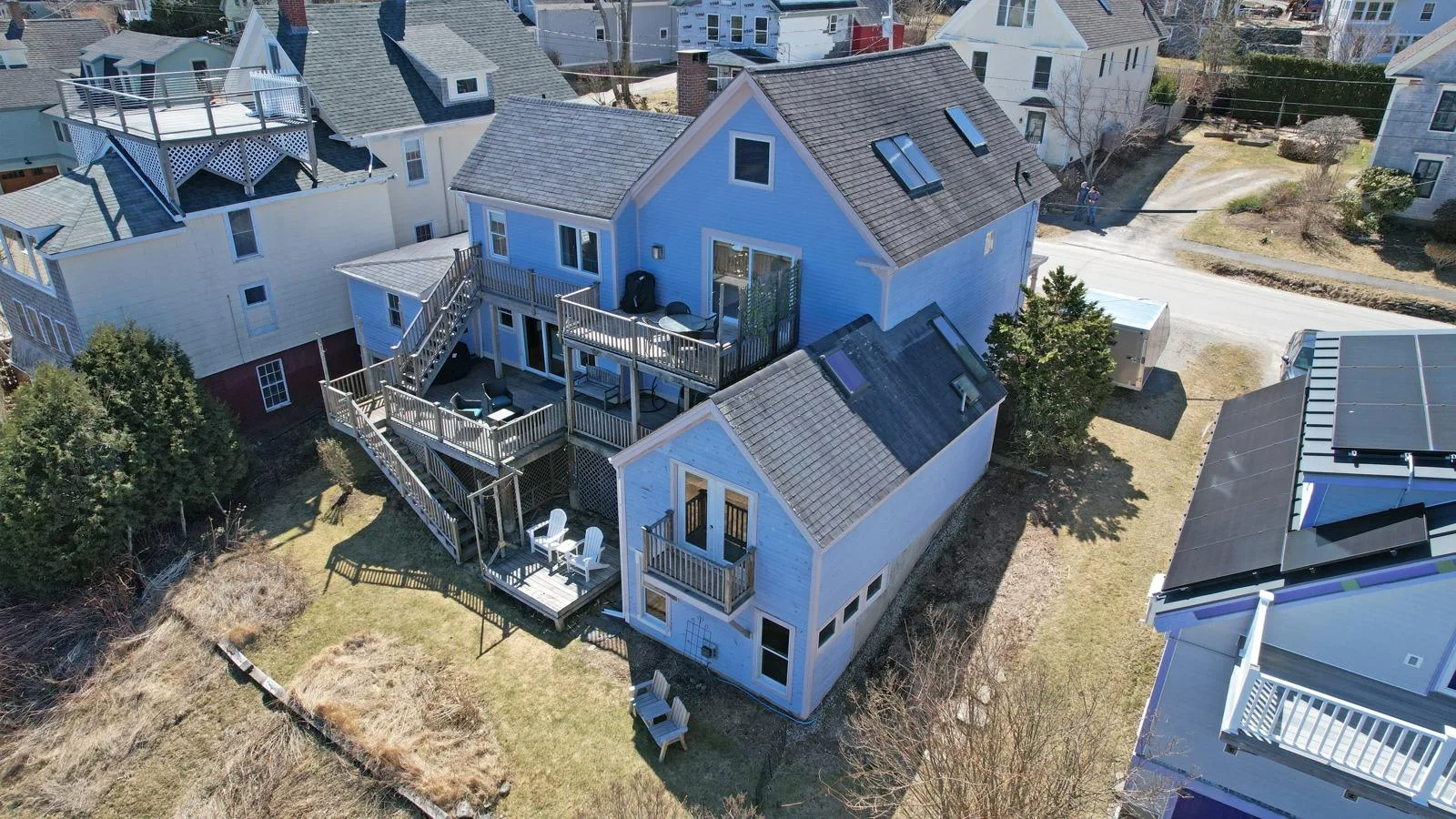
In 2026, a striking trend continues to redefine property markets globally: the urban exodus. Over the past five years, millions have migrated out of densely packed metropolitan centers to suburban and exurban areas. This movement is no mere blip, but a profound shift driven by remote work normalization, affordability crises, and lifestyle changes. For instance, cities like San Francisco and London have seen population declines of up to 7% since 2022, according to national census data.
Housing affordability has been a critical push factor. In core urban markets, median property prices have surged by double digits annually for much of the previous decade, pricing out young professionals and first-time buyers. Meanwhile, satellite towns with improved infrastructure have offered more attainable options. The rise of tech-enabled remote work has untethered many from location constraints, making spacious homes with high-quality amenities outside city centers attractive alternatives.
"The urban exodus is one of the most consequential shifts in real estate since the post-war suburban boom," says Dr. Eleanor Hastings, a senior urban economist. "This movement is reshaping demand patterns, driving a redistribution of capital and changing how developers and investors approach market strategy."
This demographic redistribution is not uniform. While some cities shrink, others adapt by reinventing neighborhoods and focusing on mixed-use developments that cater to residents valuing proximity to cultural and social hubs. The ripple effects extend to commercial real estate, retail, and public infrastructure planning.
Historical Context: From Boom to Correction and Beyond
Understanding the current property market requires reflecting on the trajectory over the past two decades. The 2010s were characterized by sustained urban price inflations driven by low interest rates, speculative investment, and limited housing supply. For example, data from the National Association of Realtors showed average home prices in major metro areas increased by over 60% between 2010 and 2020.
The COVID-19 pandemic catalyzed a temporary market correction, with a brief slowdown in 2020 followed by an unexpected surge in demand for suburban and rural properties. This was fueled by stimulus measures, pent-up demand, and the widespread adoption of remote work technology. By 2023, the market had evolved substantially, with new construction focused on affordable housing and green building practices.
"The pandemic didn't just pause the market; it accelerated existing undercurrents," notes property analyst Marcus Lei. "Developers shifted priorities, and buyers recalibrated expectations about where and how they want to live."
Moreover, regulatory responses, such as zoning reforms in cities like Toronto and Berlin, aimed to address supply bottlenecks but have had mixed results. Rising construction costs and labor shortages have complicated efforts to meet housing demand, maintaining upward pressure on prices in many regions.
Core Market Analysis: Data-Driven Shifts and Investment Patterns
Diving into the numbers reveals nuanced shifts in property ownership, pricing, and investment flows. According to the 2026 Global Real Estate Report by the International Property Institute, suburban home prices in the U.S. have outpaced urban prices by approximately 12% over the past three years. Similarly, rental yields in emerging tech hubs like Austin and Raleigh have increased by 8-10%, attracting institutional investors.
Investment patterns also highlight a growing appetite for mixed-use and sustainable developments. Green-certified properties now account for 35% of new residential developments in Europe and North America, driven by consumer demand and regulatory incentives. Additionally, PropTech innovations such as AI-driven valuation tools and blockchain-based property registries have enhanced market transparency and transaction efficiency.
Comparing regions shows stark contrasts:
- Asia-Pacific: Urban centers like Singapore remain highly competitive, but secondary cities such as Da Nang in Vietnam are experiencing rapid growth due to infrastructure investments.
- Europe: Cities like Lisbon and Berlin benefit from affordability and quality of life improvements, while London faces post-Brexit adjustments.
- North America: The Sun Belt states are leading in population and property demand growth, particularly in Phoenix and Miami.
These trends underscore a more fragmented and multi-nodal property market landscape, challenging traditional single-core city dominance.
2026 Developments: Technology, Policy, and Market Adaptations
This year has seen significant developments transforming real estate. Governments worldwide are intensifying efforts to tackle housing affordability through innovative policies. For example, in the UK, the introduction of the "Affordable Home Sharing Act" encourages co-living spaces and shared ownership models, aiming to reduce entry barriers for younger buyers.
Technological advancements continue to disrupt the sector. AI-driven market analytics now enable investors to identify micro-trends and optimize portfolios in real time. Virtual and augmented reality technologies have revolutionized property viewings, making remote buying viable on a large scale.
Moreover, environmental concerns have propelled the adoption of climate-resilient building codes and urban designs that integrate green spaces and renewable energy. The 2026 UN Climate Summit's real estate working group highlighted these shifts as critical to meeting global sustainability targets.
On the commercial side, flexible office spaces have stabilized after a post-pandemic dip, as hybrid work models demand adaptable environments. Retail properties are reimagining themselves as experiential hubs focusing on community engagement rather than pure transactional spaces.
- Key 2026 policy highlights:
- Expanded tax incentives for energy-efficient homes in the U.S. and Canada.
- Increased funding for public housing projects in Germany and France.
- New green mortgage products tied to environmental performance metrics.
These developments indicate a maturing market that balances growth with social and environmental responsibility.
Expert Perspectives: Industry Voices on Market Evolution
Industry leaders emphasize the complexity and opportunity within the current property market. Sarah Kim, CEO of Horizon Developments, remarks, "Investors must now consider demographic shifts, sustainability metrics, and technological integration as core elements of their strategy. The days of generic, location-only focus are behind us."
Financial institutions are also recalibrating risk models to factor in climate resilience and social equity, with several major banks launching dedicated green real estate funds. Meanwhile, urban planners advocate for mixed-income developments to promote inclusivity and avoid socio-economic segregation.
"The property market is no longer just about bricks and mortar. It's about building communities that are resilient, inclusive, and tech-enabled," says urban planner Miguel Torres.
These expert insights align with broader economic trends, including shifting labor markets and evolving consumer preferences, underscoring the need for adaptable and forward-thinking approaches.
Looking Ahead: What Buyers, Investors, and Policymakers Must Consider
As 2026 progresses, several critical factors will shape property markets worldwide. Buyers should be aware of the increasing importance of sustainability certifications and technological amenities when evaluating properties. Investors must diversify geographically and sectorally, leveraging data analytics to identify emerging opportunities beyond traditional urban cores.
Policymakers face the challenge of balancing growth with affordability and environmental stewardship. Encouragingly, collaborative approaches between public and private sectors are gaining traction, as evidenced by innovative housing projects in Scandinavia and Asia.
- Top considerations for market participants:
- Monitor demographic trends such as aging populations and migration patterns.
- Prioritize properties with green certifications and resilient infrastructure.
- Leverage PropTech tools for efficient decision-making.
- Engage in community-centric development to foster social cohesion.
- Stay informed on evolving regulatory frameworks impacting ownership and investment.
These actionable insights echo the themes explored in our recent pieces, including How Smart Investors Are Navigating the Shifting Currents of the Property Market and How Tech and Demographics Are Redrawing the Property Market Map. Together, they offer a comprehensive toolkit for understanding the complex forces at play.
In sum, the property market in 2026 is a mosaic of transformation—driven by demographic shifts, technological innovation, regulatory evolution, and changing consumer expectations. Stakeholders who integrate these dimensions thoughtfully will be best positioned to thrive in this dynamic environment.