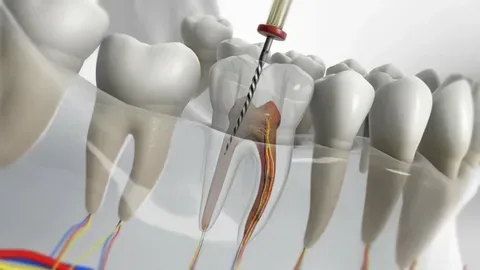
Tooth pain can sometimes indicate a problem inside the tooth rather than a surface-level dental issue. When the pulp, which contains nerves and blood vessels, becomes inflamed or infected, root canal treatment may be recommended to address the problem while preserving the natural tooth.
Understanding the warning signs, treatment process, and recovery can help patients know what to expect and when to seek dental care.
What Is Root Canal Treatment?
Root canal treatment is a dental procedure used to remove infected or inflamed pulp from inside a tooth. The dentist cleans and disinfects the inner chamber and root canals before sealing the space to help prevent further infection.
The goal is to preserve the natural tooth rather than remove it. Depending on the tooth's condition, a filling or dental crown may be needed afterward to restore its structure and function.
Signs You May Need a Root Canal
Symptoms can vary depending on the cause and severity of the problem. Some common warning signs include:
Persistent Toothache
Pain that continues, returns frequently, or occurs without an obvious trigger may indicate inflammation or infection inside the tooth.
Lingering Sensitivity to Hot and Cold
Sensitivity that continues after a hot or cold food or drink has been removed may suggest irritation or damage to the dental pulp.
Pain When Chewing
Discomfort when biting or applying pressure to a particular tooth can sometimes indicate inflammation around its root or damage to the surrounding structure.
Swollen or Tender Gums
Swelling near a specific tooth may be associated with an infection. Some patients may also notice a small pimple-like bump on the gums.
Tooth Discoloration
A tooth that becomes darker than the surrounding teeth may have experienced internal damage. Discoloration alone does not confirm that a root canal is necessary, but it should be evaluated.
Not every toothache requires root canal treatment. A dental examination is needed to identify the underlying cause.
What Causes the Tooth Pulp to Become Infected?
The pulp can become inflamed or infected when bacteria or injury affect the inner part of a tooth. Common causes include:
Deep Tooth Decay
When a cavity progresses through the enamel and dentin, bacteria may eventually reach the pulp and cause infection.
Cracked or Damaged Teeth
A crack or fracture can create an opening for bacteria to enter the inner tooth structure. Even damage that is not immediately visible may affect the pulp.
Repeated Dental Procedures
A tooth that has undergone multiple dental procedures may experience irritation or damage to its pulp over time.
Dental Trauma
An injury or impact can damage the pulp, sometimes without causing an obvious crack or break in the tooth.
How Does the Root Canal Procedure Work?
The exact process depends on the affected tooth and the extent of the infection. However, treatment generally involves several steps.
1. Examination and Diagnosis
The dentist examines the tooth and may take dental X-rays to assess the roots and surrounding bone. This helps determine whether root canal treatment is appropriate.
2. Local Anesthesia
Local anesthesia is generally used to numb the affected area before treatment, helping make the procedure more comfortable.
3. Accessing the Inner Tooth
The dentist creates a small opening in the tooth to reach the pulp chamber and root canals.
4. Removing the Affected Pulp
The infected or inflamed pulp tissue is carefully removed. The inner spaces are then cleaned and disinfected to reduce bacteria.
5. Filling and Sealing the Canals
Once the canals have been cleaned, they are filled with a suitable material and sealed to help prevent bacteria from entering again.
6. Restoring the Tooth
A filling or other restoration is placed to close the opening. Depending on how much tooth structure remains, a dental crown may be recommended to provide additional protection.
For more information about the treatment, read this guide to root canal treatment.
What to Expect After Root Canal Treatment
Some tenderness or mild discomfort is common after the procedure, particularly when biting or chewing. This generally improves as the surrounding tissues recover.
To support recovery, patients may be advised to:
- Avoid chewing hard foods on the treated tooth until it has been fully restored.
- Follow the dentist's instructions for oral hygiene and any prescribed medication.
- Brush and floss carefully around the treated area.
- Attend follow-up appointments to complete the restoration.
- Contact the dental office if pain becomes severe, swelling develops, or symptoms do not improve.
Recovery varies depending on the tooth's condition and the complexity of treatment.
Why Is Preserving the Natural Tooth Important?
Keeping a natural tooth can help maintain normal chewing function and prevent neighboring teeth from shifting into an empty space. Root canal treatment may make this possible when the tooth is suitable for restoration.
However, the procedure is not appropriate for every damaged tooth. The dentist considers the remaining tooth structure, surrounding tissues, and overall condition before recommending treatment.
When Should You See a Dentist?
Persistent tooth pain, prolonged temperature sensitivity, swelling, or discomfort when chewing should be evaluated by a dental professional. Early assessment can help identify the cause and determine whether treatment is needed.
Facial swelling, fever, or difficulty swallowing may indicate a spreading infection and require urgent dental or medical attention.
Final Thoughts
Root canal treatment can help address infection inside a tooth while preserving its natural structure. Recognizing possible warning signs and getting a dental examination can help patients understand their treatment options before the problem progresses.