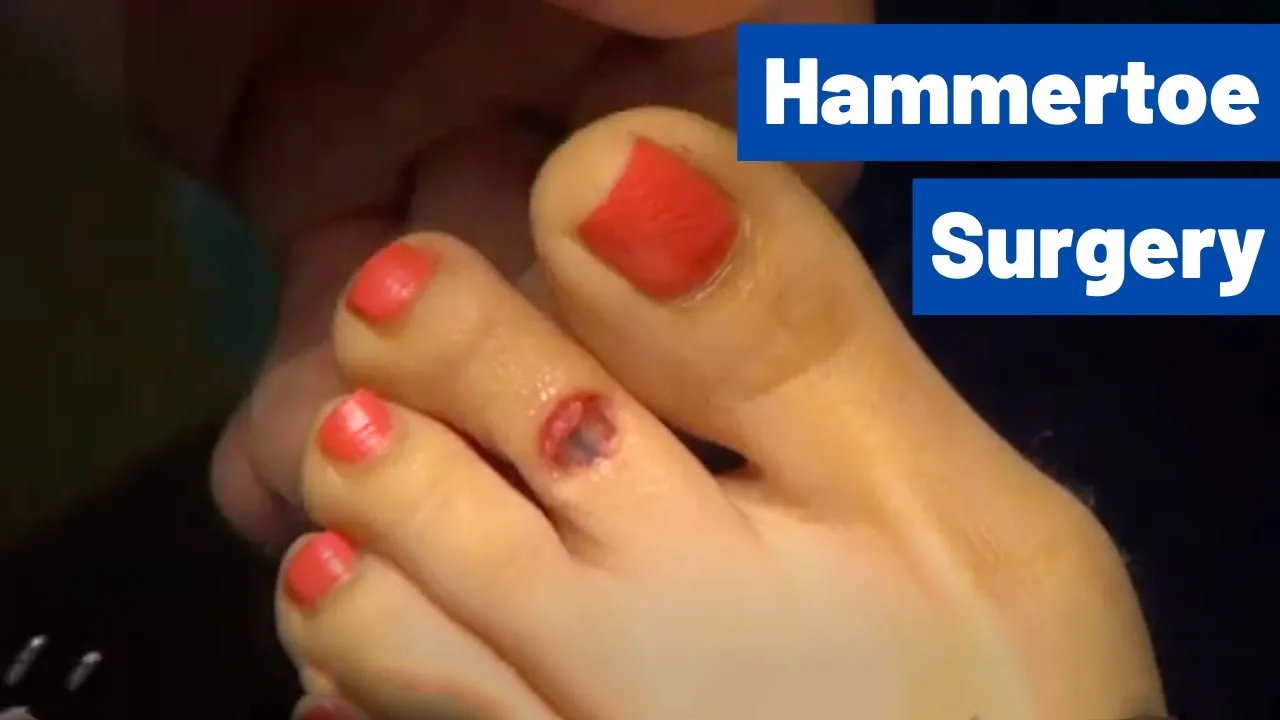
Foot discomfort can gradually become part of everyday life. A toe that rubs against a shoe, develops a painful spot, or remains bent may seem like a minor inconvenience at first, but persistent pressure can make walking, exercising, and even standing uncomfortable. For people dealing with a significant toe deformity, learning about Hammertoes Surgery Queens, NY can be an important step toward understanding available treatment options and determining whether professional evaluation is appropriate.
What Exactly Is a Hammertoe?
A hammertoe is a deformity in which one of the smaller toes develops an abnormal bend at one or more of its joints. Instead of lying naturally, the toe may appear curled or raised. This can happen gradually and may become more noticeable over time.
Several factors can contribute to hammertoes. Wearing poorly fitting footwear, having certain foot structures, experiencing muscle or tendon imbalance, or having an existing foot deformity may increase the likelihood of developing the condition. Some people may also have a family tendency toward particular foot shapes.
Not every hammertoe requires surgery. In its earlier stages, changing footwear, using protective padding, modifying activities, or following other conservative recommendations may help reduce discomfort. However, when a deformity becomes rigid or continues causing significant problems despite non-surgical care, a podiatric evaluation can help determine what comes next.
Why Footwear Can Make Toe Problems Worse
Shoes play an important role in overall foot comfort. Narrow toe boxes can place pressure on toes that are already bent or misaligned. High heels may also shift weight toward the front of the foot, increasing pressure around the toes.
Over time, repeated friction can lead to redness, irritation, calluses, and corns. People may begin changing the way they walk to avoid discomfort, which can create additional strain elsewhere in the foot or lower extremity.
Choosing shoes with adequate room for the toes is often a practical first consideration. However, footwear changes cannot correct every structural problem. When pain persists, a professional assessment can help identify whether the underlying issue involves a deformity, tendon imbalance, joint problem, or another condition.
Recognizing a Corn Before It Becomes a Bigger Problem
Corns are areas of thickened skin that commonly develop because of repeated pressure or friction. They often appear on or between the toes, although they can occur in other areas of the foot as well.
A corn may feel hard, tender, or painful when pressure is applied. For some people, simply wearing certain shoes becomes uncomfortable. The important point is that a corn is frequently a response to an underlying source of pressure rather than an isolated skin issue.
For example, a bent toe may repeatedly rub against the inside of a shoe. The body responds by producing thicker skin in that location. Removing the thickened skin without addressing the pressure source may not prevent the problem from returning.
This is why persistent or recurring corns deserve attention beyond simply treating the visible spot.
When Corn Removal May Be Considered
Many mild corns can be managed through footwear adjustments, protective padding, and other conservative measures. However, recurring or painful corns can sometimes indicate an underlying structural deformity.
Patients should avoid attempting aggressive self-treatment, particularly if they have diabetes, circulation problems, reduced sensation, or other conditions that can increase the risk of foot complications. A podiatrist can examine the area and determine the safest approach.
When a structural problem contributes to repeated pressure, treatment may focus on correcting the source rather than repeatedly addressing the skin. In some cases, a surgical procedure may be discussed as part of a broader treatment plan.
For individuals searching for information about Corn Removal Surgery Brooklyn, NY, a professional consultation can provide a clearer understanding of whether surgery is appropriate or whether a less invasive approach may be sufficient.
Understanding When Surgery Enters the Conversation
The word "surgery" can understandably sound intimidating. Yet foot surgery is not automatically the first recommendation for a patient with a hammertoe, corn, or another deformity.
A podiatrist generally considers several factors before recommending a procedure. These can include the severity and flexibility of the deformity, the patient's symptoms, previous treatments, activity level, footwear concerns, and overall foot health.
The goal is to understand what is causing the problem and whether correcting the underlying structure could provide a meaningful improvement.
Depending on the specific condition, surgical treatment may involve correcting bone alignment, addressing affected joints, releasing or balancing soft tissues, or using minimally invasive techniques when appropriate. The exact procedure varies from person to person.
The Value of a Comprehensive Foot Evaluation
Foot conditions rarely exist in isolation. A painful toe may be connected to the way a person walks, the shape of the foot, another deformity, or an imbalance affecting surrounding structures.
A thorough evaluation can therefore be more useful than focusing solely on the most painful spot. During an examination, a podiatrist may assess alignment, range of motion, footwear, gait, areas of tenderness, and other characteristics of the foot and ankle.
This broader perspective can help create a treatment plan that addresses the patient's specific circumstances rather than relying on a generic solution.
Minimally Invasive Options and Modern Podiatric Care
Advances in podiatric medicine have expanded the range of treatment approaches available for foot and ankle conditions. Depending on the diagnosis, minimally invasive techniques may provide an alternative to traditional surgical approaches for certain patients.
Modern podiatric care also extends well beyond hammertoes and corns. Specialized practices may treat bunions, neuromas, heel pain, ingrown toenails, toenail fungus, flat feet, Achilles tendon problems, plantar warts, pediatric foot conditions, diabetic foot concerns, and sports-related injuries.
Treatment is selected according to the condition rather than applying one technique to every patient.
Don't Ignore Persistent Foot Pain
People often postpone foot care because they assume discomfort is simply part of getting older or being active. Persistent pain, however, deserves attention.
Warning signs that may justify a professional evaluation include:
- Pain that continues despite changing shoes
- A toe becoming increasingly bent or rigid
- Recurrent corns or calluses
- Difficulty finding comfortable footwear
- Swelling or tenderness around a joint
- Changes in walking patterns
- Pain that interferes with exercise or daily activities
- A foot problem that repeatedly returns after home treatment
Early evaluation does not necessarily mean surgery. In many situations, understanding the condition sooner can open the door to conservative management and help prevent unnecessary progression.
Choosing the Right Podiatric Care
When considering treatment for a foot deformity, experience and individualized care matter. A podiatric practice should be able to evaluate both common and complex conditions and explain the available options clearly.
Best Foot Doctor NY is led by Dr. Emmanuel Fuzaylov, DPM, whose training includes graduate studies at the New York College of Podiatric Medicine and intensive residency training. The practice provides care for patients throughout Brooklyn, Queens, and Manhattan and treats a broad range of foot and ankle concerns. Its services include surgical and non-surgical approaches, minimally invasive procedures, sports injury care, reconstructive foot surgery, and advanced treatments for conditions such as bunions, hammertoes, neuromas, heel pain, and toenail fungus.
Taking the Next Step for Healthier Feet
Comfortable feet can make a noticeable difference in everyday mobility and confidence. Whether the concern is a painful hammertoe, a recurring corn, or another foot deformity, understanding the cause is an important part of choosing an appropriate treatment path. Professional evaluation can help determine whether simple changes are enough or whether more advanced care should be considered. For comprehensive podiatric services and individualized treatment options, visit Best Foot Doctor NY to learn more and schedule appropriate care.