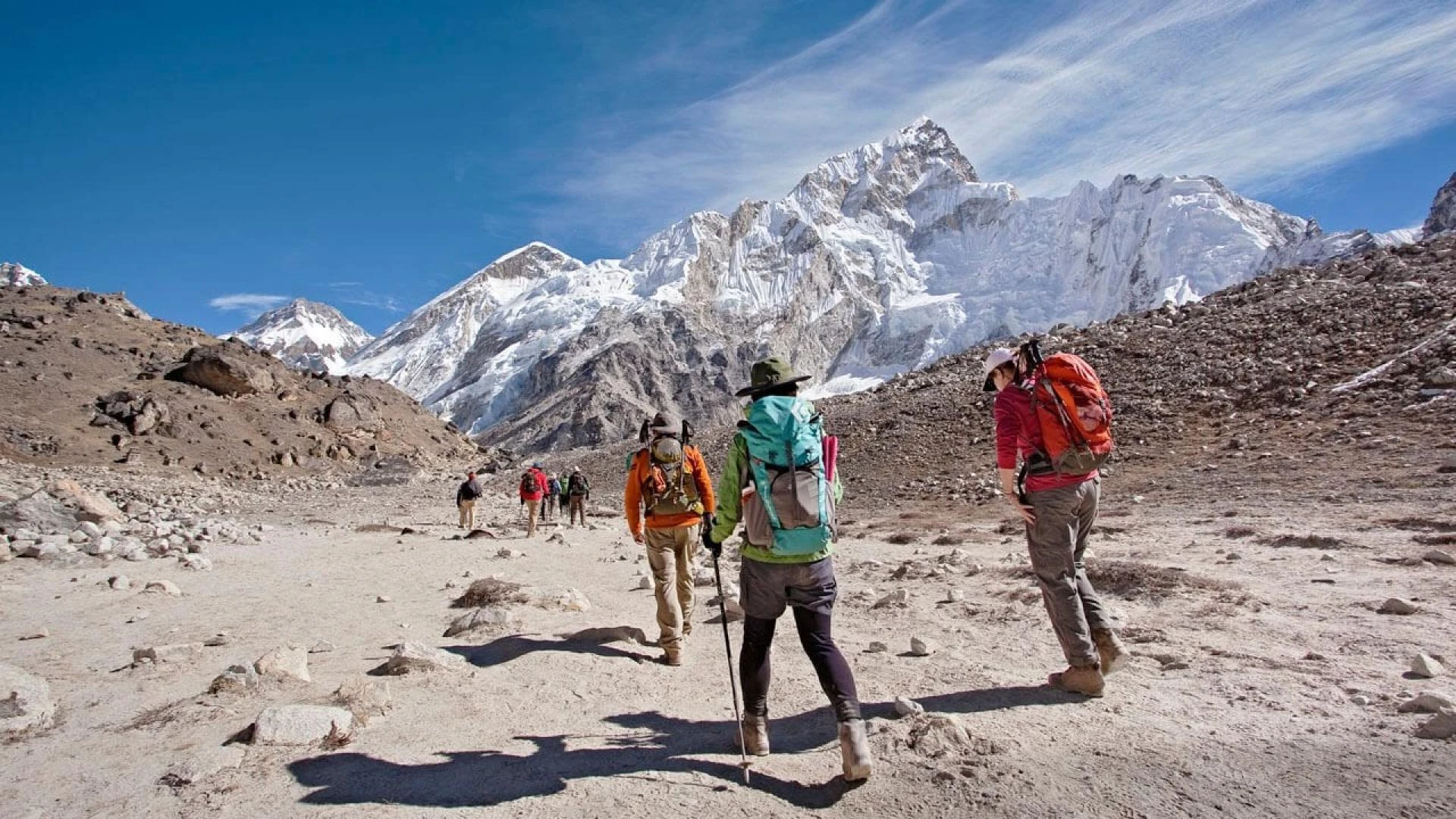
When you think of trekking in Nepal, your mind probably jumps to the Everest Base Camp or the Annapurna Circuit. And while these treks are absolutely iconic for a reason, there's a whole other side to Nepal that most travelers never get to experience — the restricted trekking regions. These trails, tucked away in remote corners of the Himalayas, offer raw, untouched landscapes and a deep cultural immersion that's becoming increasingly rare.
So what exactly are “restricted treks”? These are areas that require special permits to visit, often because of their proximity to international borders or their cultural sensitivity.
You’ll need a licensed guide, and often a group of at least two people. But the extra logistics? Totally worth it.
Let’s dive into the best restricted trekking routes in Nepal — the ones that promise adventure, mystery, and a true sense of discovery.
1. Upper Mustang: The Last Forbidden Kingdom
Difficulty: Moderate
Duration: 10–14 days
Best Time to Go: May to October
Restricted Area Permit Cost: $500 for the first 10 days, $50 per day thereafter
Upper Mustang is probably the most famous restricted trek — and for good reason. Nestled in the rain shadow of the Annapurna and Dhaulagiri ranges, this former Himalayan kingdom remained isolated from the world until 1992.
Trekking here feels like stepping into Tibet before the modern world arrived. You'll pass through ancient villages, cave monasteries, and eroded cliffs with colors that look like they've been painted by hand. The walled city of Lo Manthang, with its royal palace and centuries-old monasteries, is the crown jewel.
Why go?
It’s not just the landscapes — it’s the preserved Tibetan Buddhist culture, the medieval architecture, and the complete absence of crowds.
2. Upper Dolpo: Remote, Rugged, and Remarkable
Difficulty: Challenging
Duration: 18–25 days
Best Time to Go: May to October
Restricted Area Permit Cost: $500 for the first 10 days, $50 per day thereafter
If you want to trek where few ever do, Upper Dolpo is the place. This is one of the most isolated regions in Nepal — so remote that most supplies arrive via yak caravans. Made famous by the Oscar-nominated documentary Himalaya and the book The Snow Leopard, Upper Dolpo is wild, high, and deeply spiritual.
You'll trek past glacial lakes like the stunning Phoksundo, cross high mountain passes above 5,000 meters, and interact with people still living a traditional Tibetan lifestyle.
Why go?
For pure solitude, authentic culture, and jaw-dropping alpine beauty — this is Nepal at its most elemental.
3. Manaslu Circuit and Tsum Valley: The Best of Both Worlds
Difficulty: Moderate to Challenging
Duration: 18–21 days (combined)
Best Time to Go: March to May and September to November
Restricted Area Permit Cost: $100 per week (Manaslu), $40 for 1 week (Tsum)
The Manaslu Circuit trek has exploded in popularity in recent years — but when combined with the Tsum Valley, it still feels blissfully off-grid. Tsum was opened to outsiders only in 2008 and is home to ancient Buddhist monasteries, prayer walls, and a spiritual atmosphere that makes it feel like another era.
The Manaslu part of the trek takes you around the 8th highest mountain in the world, with diverse scenery that rivals the Annapurna Circuit — but without the teahouse crowds.
Why go?
You get the best of both: a high mountain circuit and an untouched spiritual sanctuary.
4. Nar Phu Valley: Hidden in Plain Sight
Difficulty: Moderate
Duration: 9–12 days
Best Time to Go: March to May and September to November
Restricted Area Permit Cost: $100 per week
Just off the Annapurna Circuit, the Nar and Phu Valleys offer a quick escape from the more trodden paths. This region, opened in 2002, is home to dramatically situated villages, crumbling Tibetan fortresses, and secluded monasteries.
You’ll walk through narrow canyons, high pastures, and climb to over 5,000 meters at the Kang La Pass. All of it with hardly another trekker in sight.
Why go?
It’s wild, it’s beautiful, and it’s easy to combine with other popular treks if you’re short on time but want something unique.
5. Kanchenjunga Base Camp: The Ultimate East Nepal Adventure
Difficulty: Very Challenging
Duration: 20–25 days
Best Time to Go: April to May and October to November
Restricted Area Permit Cost: $20 per week (minimum 4 weeks recommended)
Way out in eastern Nepal, near the border with Sikkim and Tibet, lies the Kanchenjunga region — home to the third highest mountain in the world. This area sees very few trekkers, and the route is long, remote, and wild.
You can trek to either the North or South Base Camp — or both. Expect days without seeing a village, thick rhododendron forests, wild rivers, and perhaps the most pristine wilderness in all of Nepal.
Why go?
If you're seeking extreme remoteness, raw nature, and serious bragging rights, Kanchenjunga is it.
What You Need to Know Before Trekking in Restricted Areas
- Permits are mandatory and must be arranged through a registered trekking agency.
- A licensed guide is required, and for most areas, you need to be in a group of at least two (not including your guide).
- Logistics are more complex, and you won’t find the same infrastructure as on popular treks — but that’s the point.
- Travel insurance that covers high-altitude trekking is a must.
Final Thoughts
Trekking in Nepal’s restricted regions isn’t for everyone. It requires more planning, more money, and a greater tolerance for discomfort. But what you get in return is something extraordinary — the chance to walk through parts of the world that feel almost untouched by time.
If you're looking for a deeper connection to the land and its people — and want to experience the Himalayas like few others do — then a restricted trek might just be the perfect adventure.
Want help planning a trek in one of these regions? I can walk you through the permits, gear, routes, and more. Just say the word!