Tucked away amidst the rugged, ancient granite hills of western Rajasthan lies an extraordinary wilderness that defies traditional safari expectations. Jawai and Bera represent a rare sanctuary where wild leopards roam freely across a rocky landscape shared harmoniously with the semi-nomadic Rabari herdsmen. Planning a journey to this untamed territory requires an understanding of its distinct geography, migratory patterns, and seasonal variations to truly maximize your adventure. Finding the right base is essential to unlocking this magic, and staying at the best resort in Jawai allows travelers to experience both luxurious comfort and raw wilderness right at their doorstep.
The Majestic Granite Hills and Leopard Spotting
The primary allure of the region rests entirely on its incredibly dense, thriving population of wild leopards. Formed by volcanic activity millions of years ago, the dramatic granite kopjes and natural caves provide an ideal structural habitat for these elusive big cats. Unlike the dense deciduous forests of central or southern India, the open, rocky scrubland here offers unparalleled visibility for tracking and photography.
Leopards are territorial and highly adapted to these specific monoliths, often seen lounging on bare rock faces or guiding their cubs through narrow stone crevices during the cooler hours of dawn and dusk. Because these animals have coexisted peacefully with local communities for generations, they exhibit a calm demeanor around customized open 4x4 safari vehicles. This absence of mutual hostility provides naturalists and photographers with some of the highest quality, unobstructed viewing windows anywhere in the world.
Experiencing the Thrill of the Wilderness
To fully appreciate the dynamic ecosystem of the area, most seasoned travelers opt for comprehensive Jawai safari tour packages that combine multiple tracking drives across diverse zones. A standard wilderness excursion lasts between two to three hours, navigating steep off-road inclines, dry sand riverbeds, and hidden forest trails where tracking expertise is paramount.
Experienced local trackers rely on vocal warning signs from monkeys and peacocks rather than modern technology to pinpoint a predator's exact location. Beyond the iconic leopards, these rugged excursions also present rare opportunities to spot other elusive nocturnal and mammalian species thriving in the scrub. Striated hyenas, sloth bears, desert foxes, wild boars, jungle cats, and the rarely sighted Indian wolf all play a vital role within this balanced, fragile desert food chain.
Exploring the Jawai Dam and Crocodile Sanctuary
Constructed in 1957 under the visionary direction of Maharaja Umaid Singh of Jodhpur, the massive Jawai Dam stands as the largest water reservoir in western Rajasthan. Reaching depths of over sixty feet, this vast freshwater lake has evolved into a vital ecological oasis that forms a striking visual contrast against the surrounding sun-baked terrain.
In 2013, the reservoir was officially designated as a protected crocodile sanctuary, creating a critical safe haven for more than three hundred mugger crocodiles. During the warm winter afternoons, these massive prehistoric reptiles emerge from the depths to bask under the sun along the muddy banks, providing a spectacular sight for visitors. The expansive catchment area of the dam is also globally celebrated for its breathtaking panoramic sunset views, where the rugged Aravalli contours reflect perfectly across the still, golden waters.
A Haven for Avid Birdwatching Enthusiasts
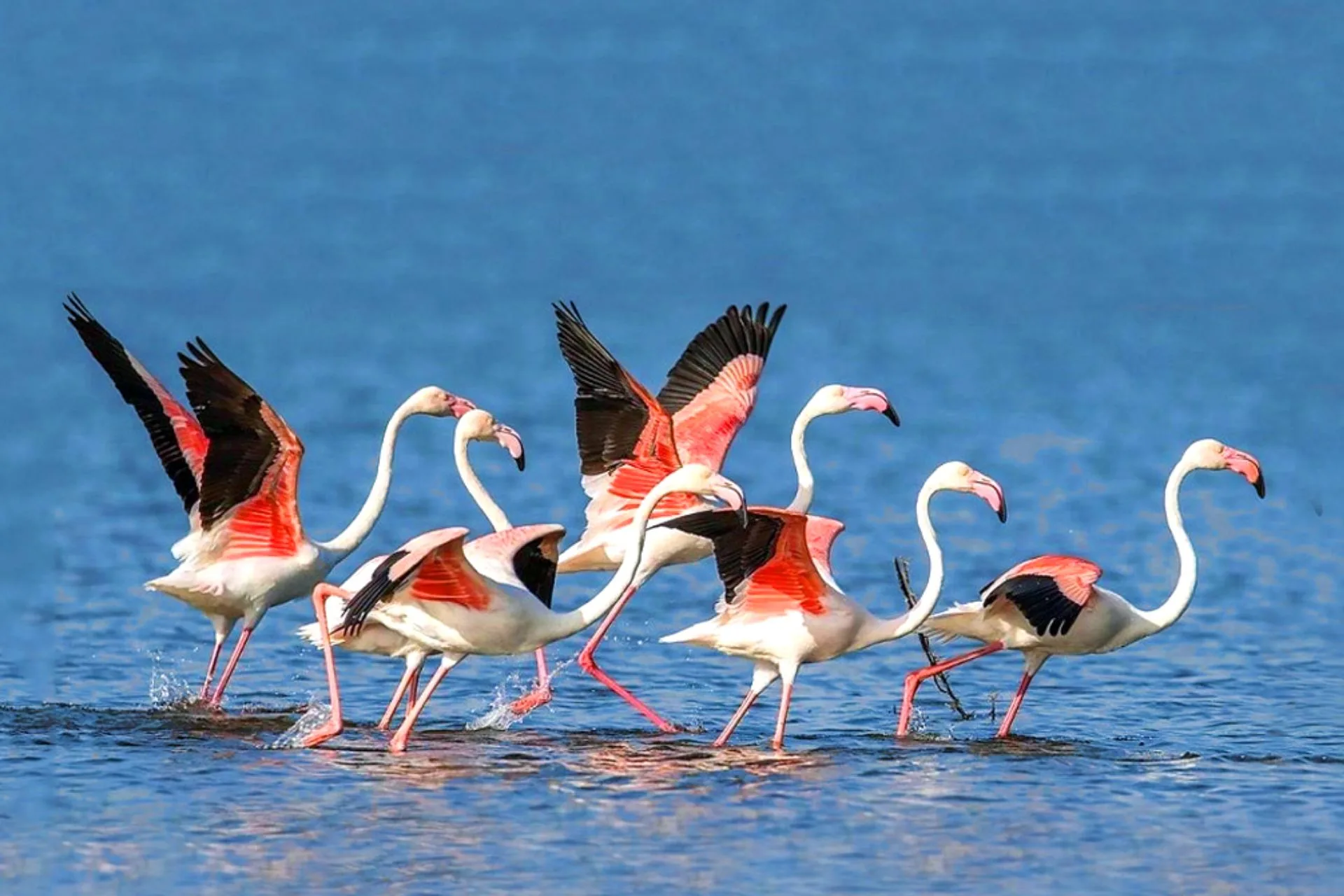
For wildlife photographers and ornithologists, the sprawling wetlands surrounding the main reservoir serve as an irreplaceable paradise during the cooler months. From November through March, the pristine ecosystem transforms into a thriving rest stop for thousands of indigenous and migratory avian species seeking temperate climates.
An early morning walking expedition along the quiet shores with binoculars reveals a stunning tapestry of colors and sounds, making avian tracking one of the most peaceful alternative activities available.
Cultural Immersion via Rabari Village Walks
The fascinating human element of this region is just as compelling as its wild predators. Engaging in structured village safaris introduces travelers directly to the pastoral lifestyle of the indigenous Rabari community, who are easily recognizable by their striking red turbans and traditional white attire.
The Rabari people maintain an ancient, deeply spiritual reverence for nature, viewing the local leopards as sacred guardians of their deities rather than direct threats to their valuable livestock. Walking through their impeccably kept mud houses, observing traditional open-fire cooking, and interacting with village elders offers profound lessons in sustainable, balanced living. This deep cultural connection elevates a trip from a simple holiday into a meaningful, eye-opening perspective on human-wildlife harmony.
Curating Your Ultimate Travel Itinerary
When organizing your itinerary, understanding the diverse things to do in jawai ensures a well-rounded and deeply enriching holiday. While tracking big cats remains the definitive highlight, allocating time for peaceful nature walks, structural photography, and historic day excursions completes the wilderness experience.
For history and architecture enthusiasts, the location also serves as an excellent base for brief regional day trips. The world-famous Ranakpur Jain Temple, a 15th-century architectural masterpiece featuring 1,444 uniquely carved marble pillars, sits just 55 kilometers away. Additionally, the iconic UNESCO World Heritage site of Kumbhalgarh Fort, famous for possessing the second-longest continuous wall in the world after the Great Wall of China, is within a comfortable 90-kilometer driving distance, making it seamless to blend heritage with raw wilderness.