Rethinking Education: The Digital Classroom Emerges
In the spring of 2026, the global online learning ecosystem has evolved into an intricate web of platforms, technologies, and pedagogical strategies that collectively challenge traditional education models. The surge in demand for flexible, accessible, and personalized learning experiences has propelled numerous digital platforms to the forefront, each offering unique approaches to knowledge delivery.
Consider a young professional in Nairobi who, through an online platform, gains credentials in data science without ever stepping into a physical classroom. Meanwhile, a retiree in Munich explores philosophy courses via interactive webinars. These scenarios illustrate how online learning transcends geography and demographics, democratizing education in unprecedented ways.
According to recent reports from the World Education Forum, the global e-learning market is projected to surpass $400 billion by 2027, driven by advances in AI, immersive technologies, and remote collaboration tools. This explosive growth underscores the need to critically evaluate which platforms are setting the benchmark for quality, innovation, and learner outcomes in 2026.
“Online learning platforms are not just alternative education avenues; they are becoming primary spaces where lifelong learning flourishes.” — Dr. Amina Yusuf, Education Technologist
Tracing the Path: How Online Learning Became Integral
The foundation for the current online learning boom was laid over the past two decades, with incremental technological advancements and shifts in societal attitudes towards education. The early 2010s saw the rise of Massive Open Online Courses (MOOCs) such as Coursera and edX, which introduced millions to the potential of digital classrooms.
The COVID-19 pandemic accelerated adoption dramatically, serving as a catalyst for institutions and learners to embrace online modalities. Post-pandemic, hybrid models became the norm, with many traditional universities integrating online components permanently—a trend extensively analyzed in TheOmniBuzz’s How Hybrid Models and AI Are Redefining Online Learning in 2026.
Technological advancements like adaptive learning algorithms, AI tutors, and immersive VR classrooms have since evolved, making online platforms more dynamic and personalized. This shift was further bolstered by the increasing emphasis on skills over formal degrees, as employers prioritized demonstrable competencies.
“The transformation from MOOCs to AI-enhanced, hybrid learning platforms marks a paradigm shift in how knowledge is acquired and applied.” — Prof. Elena Rodriguez, Educational Psychologist
Core Analysis: The Top 7 Online Learning Platforms in 2026
In 2026, seven platforms have distinguished themselves through innovation, learner engagement, and outcomes. These platforms cater to diverse audiences—from K-12 students to professionals seeking reskilling. Below is an in-depth look at each:
- EduSphere
Founded in 2018, EduSphere integrates AI-driven personalized learning paths with extensive social learning tools. Its immersive VR classrooms provide interactive simulations, especially for STEM subjects. EduSphere's collaboration with universities worldwide ensures accredited certifications.- Monthly active users: 15 million
- Unique feature: AI mentor chatbots
- Popular course: Data Science and Ethics
- SkillForge
SkillForge specializes in vocational and technical training, focusing on hands-on skill acquisition. Its partnerships with industry leaders allow for real-time project work, enhancing employability.- Monthly active users: 8 million
- Unique feature: Integrated apprenticeship matching
- Popular course: Cybersecurity Essentials
- LearnVista
LearnVista offers a rich library of micro-credentials and nanodegrees, with a strong emphasis on creative arts and humanities. The platform leverages AI to recommend career pathways based on learner interests.- Monthly active users: 12 million
- Unique feature: AI-driven portfolio builder
- Popular course: Digital Storytelling
- GlobalEd Connect
Focused on K-12 and early college, GlobalEd Connect combines synchronous and asynchronous learning. Its multilingual interface supports learners in over 20 languages.- Monthly active users: 20 million
- Unique feature: Real-time multilingual classrooms
- Popular course: Interactive Math Labs
- CodeCrafters
Dedicated exclusively to programming and software development, CodeCrafters offers project-based learning with mentorship from industry experts.- Monthly active users: 10 million
- Unique feature: Live coding sessions with feedback
- Popular course: Full-Stack Web Development
- MindGrow
MindGrow emphasizes mental health, mindfulness, and personal development courses with interactive workshops and peer support.- Monthly active users: 5 million
- Unique feature: AI-powered mood tracking and personalized content
- Popular course: Mindfulness for Professionals
- UniBridge
UniBridge acts as a connector between traditional universities and online learners, offering hybrid degrees and credit transfers.- Monthly active users: 7 million
- Unique feature: Seamless credit articulation system
- Popular course: Global Business Management
These platforms collectively reflect the diversity and specialization of online learning today. Their integration of AI, VR, and real-world applicability sets them apart in an increasingly crowded marketplace.
Current Trends Shaping Online Learning in 2026
Several macro-trends define the online learning landscape this year. Firstly, the fusion of AI and human instruction has reached a sophisticated balance. Many platforms now deploy AI tutors that adapt to learner progress but also offer seamless handoffs to human educators when deeper interaction is necessary.
Secondly, credentialing is becoming more granular and respected. Micro-credentials and stackable certificates allow learners to build modular career portfolios, recognized by employers across industries. This trend enhances motivation and reduces the barriers posed by traditional degree timelines.
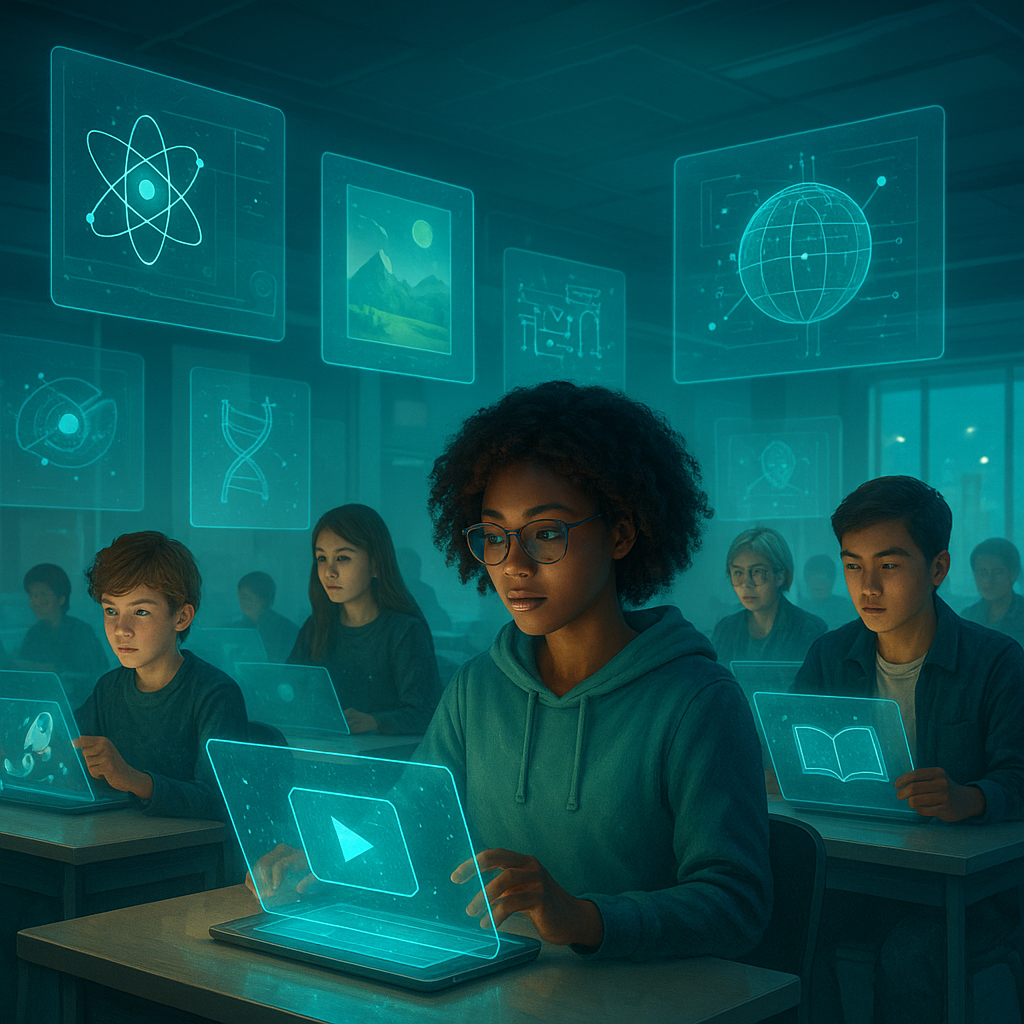
Thirdly, immersive technologies like augmented reality (AR) and virtual reality (VR) have become mainstream, especially in vocational and STEM education. For instance, nursing students at EduSphere can practice clinical procedures in VR environments, reducing reliance on costly physical labs.
Moreover, inclusivity and accessibility are prioritized. Platforms such as GlobalEd Connect have expanded multilingual support and accessibility features, ensuring learners with disabilities or language barriers can fully engage.
According to industry analysts cited in TheOmniBuzz’s Rethinking Learning: How 2026 Is Transforming Online Education Forever, these trends are converging to create a more learner-centric, flexible, and effective ecosystem.
Industry Voices: Perspectives from Education Leaders
The voices of experts provide critical insight into the trajectory and impact of these platforms. Dr. Rajiv Malhotra, CTO of SkillForge, remarks,
“The future of education is skill-focused and project-based. We’re moving away from passive content consumption towards active creation and mentorship.”This sentiment aligns with the growing demand for practical, employable skills.
Similarly, Dr. Linda Chen, director of GlobalEd Connect, emphasizes equity:
“Digital education must bridge divides, not widen them. Our multilingual and accessibility initiatives are central to our mission.”Her focus highlights how technology can be harnessed for social good within education.
These perspectives underscore the balance each platform must strike between innovation, quality, and inclusivity. They also illustrate how educational technology companies are responding to diverse learner needs and market pressures.
Looking Ahead: What to Watch in Online Learning’s Evolution
As we look toward the latter half of the decade, several developments warrant close attention. First, the integration of blockchain for secure credential verification is gaining momentum, potentially revolutionizing how academic and professional achievements are authenticated.
Second, AI-generated content tailored to individual learning styles promises to deepen personalization. However, this raises ethical questions about data privacy and algorithmic bias, topics that industry groups are actively debating.
Third, the rise of decentralized learning communities—learner-driven networks that operate outside traditional platform models—could disrupt centralized education providers and promote peer-to-peer knowledge exchange.
Finally, policy frameworks around online education are evolving globally. Governments in Europe, Asia, and Africa are increasingly regulating digital learning to ensure quality and protect learners, necessitating adaptive strategies from platform providers.
For learners and educators alike, staying informed about these shifts is critical. TheOmniBuzz’s article on Mastering Online Learning: Proven Strategies for Exceptional Digital Education offers valuable guidance for navigating this complex environment.
Conclusion: Embracing the Future of Learning
The top seven online learning platforms of 2026 exemplify how education is being reinvented through technology, pedagogy, and community engagement. Their innovations reflect broader societal shifts toward lifelong learning, inclusivity, and skill-based education.
As these platforms mature, the challenge will be to maintain a learner-centric focus while harnessing technological advances responsibly. The fusion of AI, immersive tech, and personalized pathways is already enhancing outcomes, but must be balanced with equity and ethical considerations.
Ultimately, the future of online learning promises to be more accessible, customizable, and impactful than ever before—transforming not just how we learn, but who can learn.