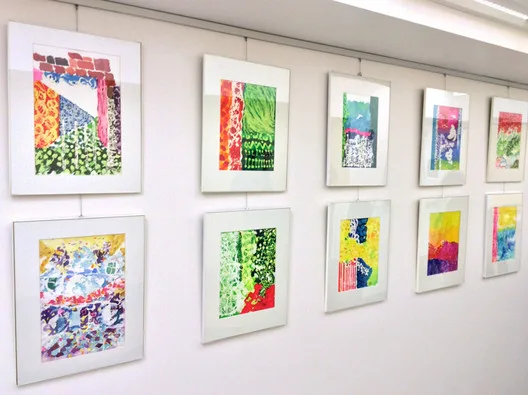
Hanging a single frame is easy enough. Hanging a dozen across a feature wall without turning it into Swiss cheese is a different story entirely. A picture hanging rail system solves that problem from the outset by moving the attachment point away from the wall surface and onto a discreet rail mounted at ceiling height. Once the rail is in place, artwork hangs from adjustable cables or tapes that slide along the track, which means rearranging, adding or removing pieces takes seconds rather than another trip to the hardware store for filler and sandpaper.
For anyone weighing up a photo hanging system against traditional nails and screws, this guide covers the essentials: what a picture rail actually is, how the hooks work, and why more new builds across Australia are incorporating rails from the start.
What Is a Picture Rail?
A picture rail is a horizontal moulding or track installed near the top of a wall, typically just below the ceiling line or cornice. In heritage homes, picture rails were a standard feature for a practical reason: the plaster walls could not tolerate repeated nailing without cracking. Hooks would sit over the moulding, and artwork would hang from wires or cords draped down the wall.
Modern picture hanging rail systems take that same principle and refine it considerably. Instead of a decorative timber moulding, contemporary systems use slim aluminium or powder-coated tracks that sit flush against the wall or ceiling. The track is fixed once, securely, and every piece of artwork connects to it via hangers and hooks that can be repositioned without tools. The result is a clean, damage-free display that works equally well in a living room, a school corridor or a commercial gallery. The Gallery System's Slimline range, for example, holds artwork up to 30 kilograms with dual cables.
How Do Picture Rail Hooks Work?
The hook is the component that does the heavy lifting, literally. In a modern picture hanging rail system, a hanger (usually a stainless steel cable, clear tape or transparent line) slots into the track and drops vertically down the wall. The hook threads onto the hanger and can be adjusted to the exact height needed for each piece.
Two main hook styles dominate the market. Standard adjustable hooks use an allen key or set screw to lock position along the cable, making them reliable and precise for long-term displays. Push-button hooks offer tool-free repositioning: press the button, slide to the desired height, release, and it locks. The push-button design is popular in galleries, schools and offices where displays change frequently. Some models also feature a security latch that keeps the cable captive behind the hook, making opportunistic theft harder in public spaces.
For a photo hanging system used at home, either hook style works well. The choice usually comes down to how often artwork gets moved. If the display changes seasonally, push-button hooks save time. If frames go up and stay up, adjustable hooks with a set screw provide a locked, no-drift hold.
Installing in New Houses
Older homes occasionally come with original picture rails intact, but new builds rarely include them as standard. That’s starting to change. Builders and interior designers increasingly specify picture hanging rail systems during construction because installing the track before painting and finishing is simpler, faster and produces a neater result than retrofitting later.
Installation is straightforward. The track screws into wall studs, top plates or masonry, depending on wall type. Most residential systems use tracks supplied in two-metre lengths, joined end to end for longer runs or cut to fit shorter walls. Once secured and painted to match the wall or ceiling colour, the track becomes virtually invisible. Hangers and hooks clip in from below, and artwork goes up without a single hole in the display wall.
For homeowners building or renovating, specifying a picture hanging rail system at the planning stage avoids the cost and disruption of future wall repairs. It also adds a practical selling point when the time comes to move on, because the next owner inherits a ready-made display system rather than a wall of patched holes.
Conclusion
A picture hanging rail system removes the guesswork, the wall damage and the commitment from displaying art and photographs. Whether fitted during a new build or added to an existing room, the combination of a fixed track with adjustable hangers and hooks makes it possible to create, change and expand a display without touching the wall surface. For homes, galleries and workplaces across Australia, a quality photo hanging system is one of the simplest upgrades that keeps delivering long after installation day. To explore options suited to your space, contact The Gallery System on 07 5493 8400 or visit thegallerysystem.com.