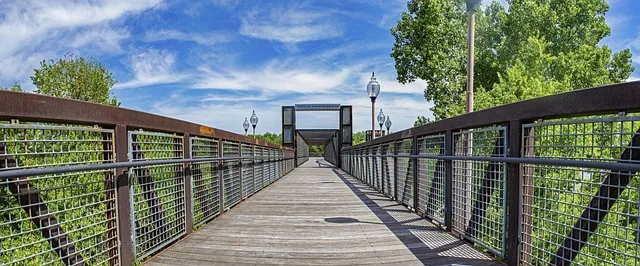
Bridges are an important part of many golf courses, providing crossings over creeks, ponds, drainage channels, landscaped areas, and changes in terrain. A well-designed golf course bridge does more than connect two points. It becomes part of the course's visual identity while supporting golfers, maintenance crews, carts, and other users.
Golf course bridge construction requires careful coordination between structural performance, appearance, traffic requirements, landscaping, drainage, and the overall design of the course. Because every course has different terrain and circulation patterns, the ideal bridge must be designed around its specific environment and intended use.
Planning Around the Course Layout
The location of a golf course bridge can influence how golfers move through the property. A bridge may connect a tee area to a fairway, provide access between holes, cross a water feature, or allow maintenance equipment to reach different sections of the course.
Before construction begins, the site should be evaluated carefully. Important considerations include terrain, water movement, soil conditions, cart traffic, maintenance access, existing paths, and the dimensions of the crossing.
The bridge should also fit naturally into the course layout. A poorly positioned structure can create unnecessary detours or interfere with play, while a thoughtfully positioned crossing can improve circulation and complement the existing design.
Designing for Golf Cart Traffic
Golf cart access is one of the defining considerations in many golf course bridge projects. Unlike a pedestrian trail bridge, a cart bridge must account for the weight and dimensions of golf carts and potentially other maintenance equipment.
Deck width, structural capacity, approach geometry, and surface traction all need to be considered. The transition between the cart path and bridge should be smooth so that vehicles can cross comfortably without creating unnecessary stress on the structure.
Curves and slopes approaching the bridge also deserve attention. Adequate visibility helps golfers and maintenance personnel navigate the crossing safely, particularly when the bridge is located near a fairway, blind corner, or water feature.
Choosing Materials for Golf Course Bridges
Timber is frequently associated with golf course bridges because its natural appearance fits well with landscaped environments. Wood can complement mature trees, water features, native vegetation, and other elements of course architecture.
However, material selection should be based on more than appearance. Moisture exposure, traffic, maintenance expectations, structural requirements, and desired service life all influence the decision.
Some projects may combine timber with engineered structural components or other materials to achieve the required strength while maintaining a traditional appearance. The appropriate solution depends on the site and the intended function of the bridge.
Integrating the Bridge With Water Features
Water features are common on golf courses, which means many bridges must operate in environments where moisture is a constant consideration. The structure needs to accommodate water movement while minimizing conditions that can accelerate deterioration.
Drainage around the bridge is particularly important. Water should be directed away from vulnerable structural components and allowed to move through the area without causing excessive erosion.
The relationship between the bridge and the water feature also affects aesthetics. A bridge that follows the contours of the landscape can make a pond, creek, or landscaped channel feel like an intentional part of the course rather than an obstacle requiring infrastructure.
Creating a Distinctive Visual Feature
Golf courses place considerable emphasis on visual presentation, and bridges can become memorable architectural features. The design can reflect the broader character of the course through timber profiles, railing styles, finishes, proportions, and surrounding landscaping.
A traditional course may benefit from a more classic timber appearance, while a contemporary property may use cleaner lines and modern materials. The bridge should feel consistent with the course rather than appearing as an unrelated structure.
Landscaping can further integrate the crossing. Plantings, stonework, grading, and water features can be coordinated with the bridge to create a cohesive visual transition.
Construction Without Unnecessary Course Disruption
Golf courses operate around scheduled play, tournaments, maintenance activities, and seasonal conditions. Construction therefore needs to be planned carefully to minimize disruption.
Access for construction equipment should be established before work begins. Equipment movement can affect turf, landscaping, irrigation systems, and cart paths, so staging and travel routes should be planned with the surrounding course in mind.
The construction schedule may also need to account for weather and periods of heavy course use. Efficient project coordination can help limit the amount of time that a hole, path, or crossing is unavailable.
Durability and Maintenance
A golf course bridge is exposed to more than golfers. Maintenance vehicles, carts, weather, irrigation, landscaping activities, and water can all contribute to wear. A durable design should account for these conditions from the beginning.
Routine inspections can help identify early signs of deterioration. Decking, railings, structural members, fasteners, and support areas should be monitored periodically. Keeping drainage systems clear is also important because standing water can accelerate material deterioration and affect surrounding soil.
Preventive maintenance is generally easier to manage than major structural repairs. Addressing worn surfaces, loose connections, drainage problems, or damaged components early can help preserve the bridge and reduce disruption to course operations.
Building for Safety and Long-Term Performance
Safety is central to golf course bridge construction. The bridge needs to accommodate its intended traffic while providing a stable crossing for golfers and staff. Appropriate railings, surfaces, visibility, transitions, and structural capacity all contribute to safe operation.
At the same time, the bridge should be designed with long-term performance in mind. Selecting suitable materials, accounting for local environmental conditions, and establishing a practical maintenance plan can help the structure remain functional and attractive over time.
A Bridge That Becomes Part of the Course
A golf course bridge can serve an essential practical function while also contributing to the identity of the property. The most successful designs consider engineering, traffic, landscape architecture, water management, aesthetics, and maintenance as interconnected elements.
Whether the project involves a small pedestrian crossing, a golf cart bridge, or a larger structure serving maintenance vehicles, careful planning makes a significant difference. With the right approach to design and construction, a golf course bridge can provide dependable access while becoming a natural and visually distinctive feature of the course for years to come.