
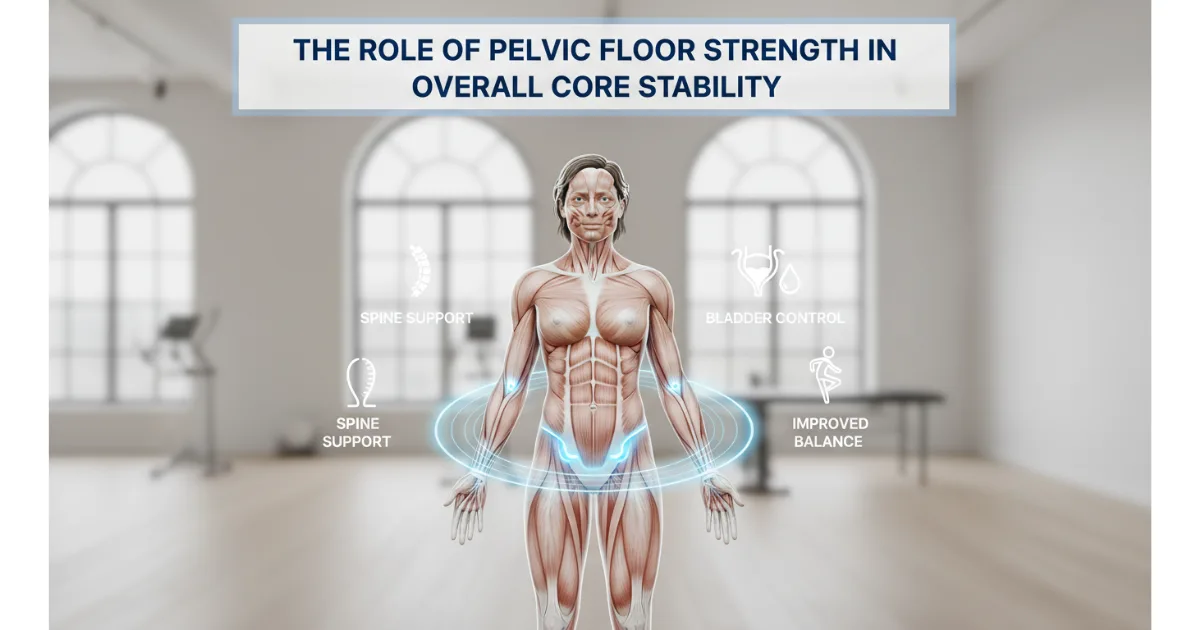
Pelvic floor strength is very important to a stable core. Many people ignore it until symptoms appear. Care plans now include options like emsella treatment service in NY to target this base layer early. Pelvic muscles are important to control the movement, support the spine, and enhance comfort day to day. This can also help to take the strain out of your daily activities, such as lifting, walking, sitting and more.
Why the Pelvic Floor Is the Base of the Core
At the bottom of the core is the pelvic floor. Activates the deep abs and back muscles. These groups keep your spine steady during daily tasks. Genuine strength comes from the whole system when one part is lacking.
The combined core and pelvic training proved to be more effective in reducing pain by more than 30% as seen in rehab clinics in the U.S. in 2025. This highlights the link between pelvic strength and back health.
If you want structured support, you can check out emsella core strengthening service from Luminescence Medical in Albany as part of a guided plan.
How Emsella Supports Deep Muscle Activation
Emsella is a technique that applies electromagnetic energy to cause muscle contractions. These are deeper and stronger than most manual exercises. One session can create thousands of contractions in a short time.
This is useful for people who struggle with Kegels. Many patients do not activate the right muscles. With pelvic health treatment in NY, the process becomes more precise and consistent. Clinics often suggest six sessions over three weeks.
In a 2026 clinical update, more than 75% of patients said they had bladder control after completing full sessions. These outcomes are favorable and make it a good choice for pelvic rehab.
Signs Your Pelvic Floor Needs Support
Many symptoms point to weak pelvic muscles. These signs may start small but can grow over time. Early care can prevent bigger issues.
Common signs include:
- Leaks when coughing or laughing
- A heavy feeling in the pelvis
- Low back pain during simple tasks
- Poor balance or weak core control
These symptoms do not confirm one condition. They show that the pelvic base needs attention. Clinics using the EMSella service in Albany, NY, often assess these signs before starting care.
Real Data and Trends from the United States
Pelvic floor issues are common across the country. A U.S. health report shows that about 25% of adult women face at least one pelvic disorder. Rates increase with age and after childbirth.
In New York State, demand for pelvic care keeps rising. Clinics in Albany and nearby Latham report more patients seeking non-invasive care. Many now include pelvic rehabilitation in NY in standard rehab plans.
A 2025 claims study also found that structured pelvic care reduced overall healthcare costs within 12 months. Patients needed fewer follow-ups and less long-term treatment. This shows both health and cost benefits.
Who Benefits Most from Pelvic Floor Care
Pelvic care is not limited to one group. Many people can benefit from stronger core support. Early care often brings better results.
Groups that benefit include:
- Postpartum women recovering from birth
- Men with bladder control issues
- Adults with chronic low back pain
- Older adults with balance problems
Men often overlook pelvic health. Yet studies show clear gains in bladder control and core strength.
Local clinics using the EMSella service in Albany, NY clinic report steady demand from both men and women. This reflects wider awareness of pelvic health.
Expert Insight on Pelvic Core Stability
Dr Kari Bo, a leading pelvic health researcher, shared insight at the International Continence Society meeting in 2025. She stated, “The pelvic floor forms the base of core stability and plays a key role in spinal support and control.” This aligns with current rehab models used across the U.S.
Her work supports the shift toward combined treatment plans. These include both core and pelvic muscle training. Many providers now use pelvic wellness treatment to meet this need.
Conclusion
Pelvic floor strength supports the entire core system. Weakness in this area affects posture, balance, and control. Modern care focuses on both strength and function. With proven results and growing demand, options like core strengthening treatment are now part of many care plans.
FAQs
1. How many sessions are needed for results?
Most plans include six sessions over three weeks. Results may vary by patient.
2. Is the treatment painful?
No. Most patients describe it as comfortable and easy to complete.
3. Can it improve core strength?
Yes. It strengthens the pelvic base, which supports full core stability.
4. Is this treatment only for women?
No. Men also benefit, especially for bladder control and support.
5. Is pelvic care common in Albany and nearby areas?
Yes. Clinics in Albany and Latham report steady growth in demand for these services.
-Authored by the Evergreen Voices team and validated by Nabodita D. Ghimire, a medical director in Albany, NY.