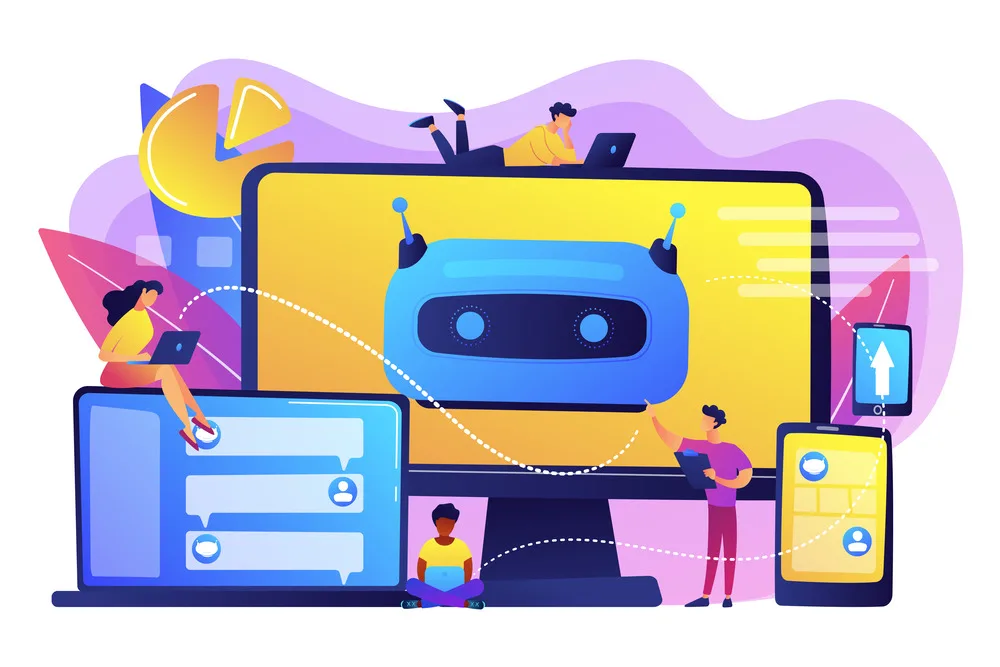
Building a WordPress website involves much more than choosing a theme and adding pages. Planning, coding, testing, troubleshooting and maintenance all require careful attention. Artificial intelligence is now becoming useful across several parts of this process. Rather than taking over development completely, it can assist professionals with repetitive tasks, provide suggestions and help teams work through technical challenges more efficiently.
Faster Planning Before Coding Begins
Good development starts with a clear understanding of the project. AI tools can help turn rough requirements into structured ideas by identifying possible features, content sections, user journeys and technical considerations. A developer can use these suggestions as a starting point, then adjust them according to the actual project.
This can be particularly useful when a website contains several user types or complex functionality. Instead of beginning with code immediately, teams can explore different approaches and identify potential issues earlier in the process.
Assistance With Custom Code
WordPress projects frequently require PHP, JavaScript, HTML and CSS. Developers may use AI-assisted tools to explain unfamiliar code, suggest functions or create an initial version of a small component. This can save time when dealing with routine programming work.
However, generated code should never be accepted without review. Security, compatibility, performance and project-specific requirements still need human attention. An experienced developer understands the wider system and can determine whether a suggested solution actually belongs in the project.
Helping With Plugin Development
Custom plugins can add specialised functions to a WordPress installation. AI can assist developers while creating plugin structures, writing repetitive sections or thinking through possible error conditions. It can also help explain how different WordPress hooks, functions and APIs may work together.
The final implementation still requires testing within the actual environment. WordPress versions, hosting configurations, third-party extensions and existing customisations can all affect how a plugin behaves.
Improving Testing
Testing is one of the areas where AI can provide practical assistance. A development team can use intelligent tools to identify possible edge cases, create testing scenarios or review sections of code for common problems. This may help uncover issues that could otherwise be missed during a rushed development cycle.
Automated checks can also be useful after updates. When a plugin, theme or WordPress core version changes, teams can verify important functions and investigate unexpected behaviour before the changes reach users.
Finding Problems More Quickly
Troubleshooting can consume considerable development time, particularly when an error involves several connected components. AI tools can help interpret error messages, explain likely causes and suggest areas worth investigating.
This does not mean every suggestion will be correct. A useful diagnosis still depends on logs, server information, code inspection and testing. AI works best as an additional pair of eyes rather than the final authority.
Supporting Better Documentation
Documentation is often neglected during fast-moving projects. Developers can use AI to organise technical notes, explain functions or turn complicated implementation details into clearer internal references. Well-maintained documentation becomes valuable when another developer joins the project or when changes are required months later.
Clear records can also reduce dependency on one person who understands how every custom component works.
Making Maintenance More Manageable
A WordPress website continues to require attention after launch. Updates, security checks, performance reviews, content changes and compatibility testing can become recurring responsibilities. AI can assist teams by helping identify unusual patterns, summarising technical information or suggesting routine checks.
The important point is to establish a controlled process. Automated recommendations should be reviewed before changes are made to a live website, especially when databases, security settings or important integrations are involved.
Keeping Developers at the Centre
Artificial intelligence is changing the workflow, but skilled professionals remain essential. Understanding business requirements, making architectural decisions, protecting sensitive information and judging whether a solution is suitable cannot simply be handed over to an automated system.
The most practical approach is to use AI where it saves time while keeping experienced developers responsible for important decisions. Organisations looking to adopt this approach can work with providers offering website development services in India to combine modern AI-assisted workflows with dependable WordPress development, testing and long-term maintenance.