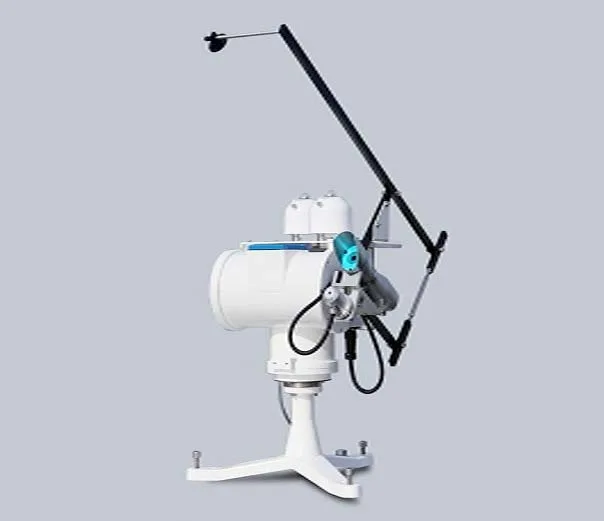
Solar PV systems are designed to turn sunlight into useful electricity, but their performance can vary throughout the day and across different seasons. For businesses, utilities and solar farm operators, understanding how much solar radiation reaches the panels is essential for identifying performance issues and protecting long-term returns.
An Irradiance Monitoring System provides this visibility by measuring the solar energy available at a PV installation. When combined with generation data and other performance metrics, it can help operators make more informed decisions and improve the return on their solar investment.
Why Irradiance Matters for Solar PV Performance
Solar irradiance refers to the amount of solar power reaching a particular surface. PV modules respond directly to available sunlight, so changes in irradiance naturally influence electricity production.
However, reduced generation isn't always caused by less sunlight. Cloud cover, dust, shading, soiling, module degradation, inverter problems and equipment faults can also affect output. Without accurate irradiance data, it can be difficult to determine whether lower production is expected or indicates a problem.
An irradiance monitoring solution provides a reliable reference point. By comparing measured solar conditions with actual PV output, operators can better understand whether the system is performing as expected.
Detecting Performance Issues Earlier
One of the biggest advantages of continuous irradiance measurement is improved fault detection. Solar operators can compare real-time irradiance with power generation to identify unusual performance patterns.
For example, if solar radiation remains strong but electricity production suddenly falls, the data may indicate an issue with an inverter, module string or other component. Identifying these discrepancies earlier can support faster maintenance and reduce unnecessary downtime.
Useful monitoring data can also support:
- PV performance analysis
- Solar resource assessment
- Performance ratio calculations
- Fault detection and diagnostics
- System commissioning and validation
- Long-term degradation tracking
- Operations and maintenance planning
This makes irradiance monitoring valuable for both new installations and established solar assets.
Supporting Better ROI From Solar Assets
Solar projects are long-term investments, and even small performance losses can become significant over time. Accurate irradiance data helps asset owners distinguish between environmental conditions and equipment-related losses, making maintenance decisions more targeted.
It can also improve the accuracy of performance reporting. When operators understand the relationship between available sunlight and energy generation, they can evaluate whether a PV system is delivering its expected output.
For commercial and utility-scale installations, this visibility can contribute to better asset management, reduced avoidable losses and more predictable energy yields. In turn, these benefits can strengthen the overall financial performance of a solar project.
Choosing the Right Monitoring Approach
An effective system should provide accurate measurements, reliable data collection and easy access to historical and real-time information. Sensor quality, installation position, calibration, data logging and integration with existing PV monitoring platforms all matter.
Australian conditions can also make dependable monitoring particularly important, as solar installations may experience intense sunlight, heat, dust and rapidly changing weather conditions.
Conclusion: Make Solar Performance More Measurable
An Irradiance Monitoring System gives solar operators the data needed to understand PV performance with greater confidence. From identifying abnormal output to supporting maintenance and improving yield analysis, accurate irradiance measurement can play an important role in protecting solar investment returns. Businesses and solar asset owners looking to optimise their PV systems should consider a reliable irradiance monitoring solution to turn solar performance data into practical action.