
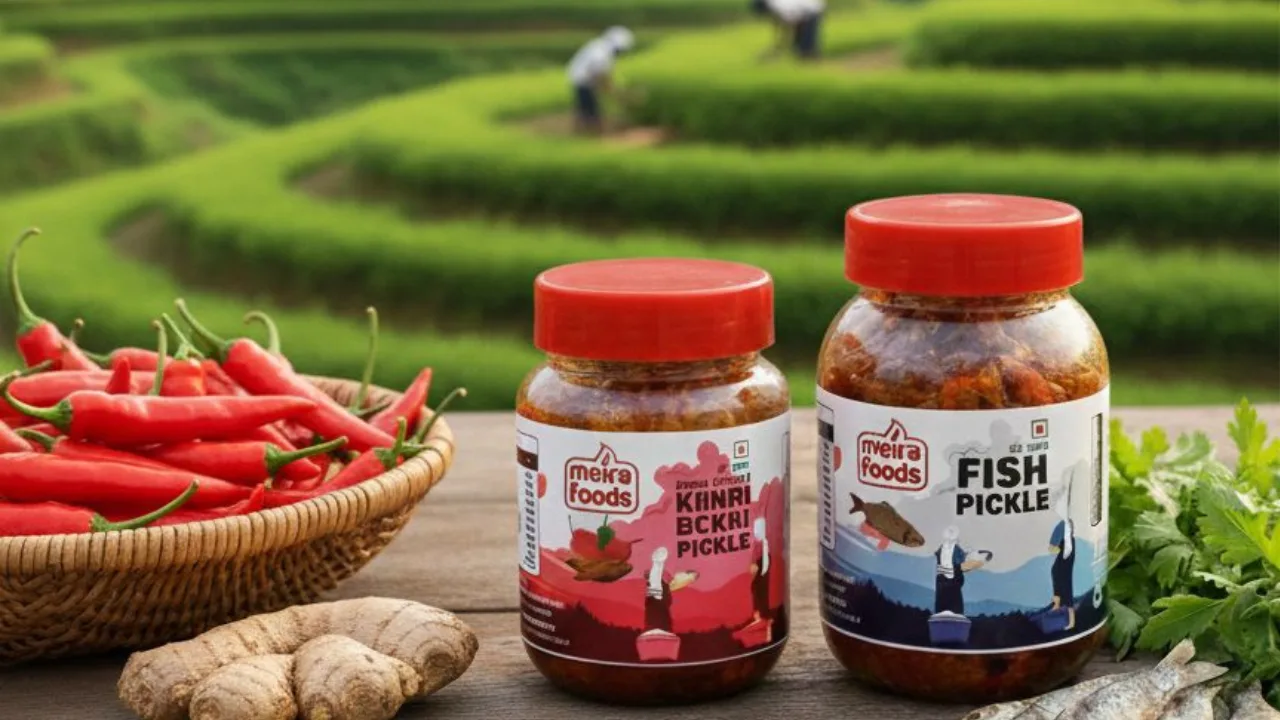
Pickles complement almost every Indian meal. Pickles from Manipur, however, shine on their own. They are complex and bold. Achar made with mango or lime will not prepare you for the journey Manipur pickles will take you on. They are smoky, spicy, and sour. The sourness is caused by the lacto fermentation, which can take months or even years.
The following information will be useful for those wishing to learn more about pickles from Manipur and other Northeastern states of India.
What Makes Pickles From Manipur Special?
Pickles in other parts of India can be made with or without the help of heat. Manipuri pickles are made with a good deal of fermentation and smokiness. Other pickles in India can be made with a base of fruits. In contrast, Manipuri pickles are made with other ingredients like fish or soybean.
Importance of FermentationFermentation plays an important role in the type of flavors and aromas the dishes of the Northeast India region carry. Beans, chillies, and bamboo shoots are traditional ingredients that are fermented in households for storage.
The focus of this article has been on Manipur, but other regions in Northeast India also have diverse cultures, traditions, and foods.
Fermented chilli pickles are complex. The fermentation process adds a sour edge that balances the pickle and gives it body. Raw chillies can't produce these qualities on their own.
North East AcharNorth East Indian cuisine is a culturally rich tapestry of flavors and ingredients. To further appreciate North East Indian pickles (or ‘achar’) one must understand these recurring ingredients.
Bhut JolokiaBhut Jolokia, also known as the Ghost Pepper, is a large, cone shaped chili that is indigenous to the Northeast states of India, in particular, Manipur and Nagaland. This chili is pungent and ranks high in the Scoville scale, thus a little goes a long way.
Local cooks incorporate it in several ways including raw, fried, or fermented. Bhut Jolokia is especially hot and pungent when raw; however, it mellows and loses its biting edge when cooked. When incorporated into a pickle, it adds aroma and fruitiness to other ingredients and should also be consumed in small amounts.
Fermented FishFish is an extremely popular ingredient in the fermented pickle recipes of the Northeast. Small schooling fish are sun dried and cooked in a mixture of chilies and oil. This fermented fish is deep and savory, almost meat like.
Manipuri Fish Pickle
Manipuri Fish Pickle is especially comforting and enjoyed by families throughout the region.
Fermented SoyabeanAnother popular North East Indian fermented food is soyabean. Like many other culturally rich and unique foods of the region, soyabean is an acquired taste.
The Role of Pickles in a Manipuri Meal
The cuisine of Manipur is unique in that it employs locally grown fresh vegetables and legumes, which are boiled or lightly cooked. For added flavor, pickles made from fermented vegetables, known as Kayhem, are added to meals.
The typical meal consists of:
-Steamed rice, preferably the locally grown Manipuri black rice, also known as Chak-Hao
-A lightly cooked vegetable or leaf dish
-A spicy fish or chili pickle
As is the case with other regions of the country, pickles play an important role in balancing the flavors of a meal. Pickles made in Manipur are relatively hot and spicy, and are traditionally made from locally grown vegetables.
Finding Pickles of Manipur
In the past, people outside the Northeast had very little opportunities to sample the regional pickles of Manipur. However, in the recent past, a number of small scale businesses have begun producing regional pickles.
For customers wishing to sample the pickles of the Northeast, Meira Foods is a good source. They sell different varieties of pickles, including hot and spicy Naga Chili and King Chili pickles, as well as pickled fish and soy bean pickles. The staff at Meira Foods uses traditional methods of fermenting and pickling, and sourcing chilis, which gives the pickles their zest.
When purchasing pickles from Manipur, customers should look for pickles that contain the following:
-King Chilies or Bhut Jolokia are used to give the pickle its hot nature.
-Fermentation or slow curing processes are signs of traditional methods.
-Pickles sourced from Manipur or Northeastern region of India.
Tasting North East Achar
If you are new to North East achar, here are some tips to enjoy it without burning your tastebuds.
Add a very small amount to begin. A quarter of a teaspoon should be more than enough to get an idea of the flavor.
Eating achar with rice or curd is a good way to cool your palate.
Make sure your pickle jars stay sealed so that the pickles stay good for a long time. A dry spoon helps with picking up pickles.
For less spicy variants, try soybean or other fish pickles.
A Common Mistake to Avoid
Most first timers make this mistake. They heap up a lot of pickle on their plate thinking that it's similar to other achars. King Chilli pickle is extremely hot, and the effects are felt some time later.
These pickles are excellent ways to get a small sample of Northeast and Manipuri cuisines. The pickles are small and packaged well to remain safe for a long time.
Fish achar and fermented chilli pickles are a good way to try various foods that require a lot of skills and time to prepare, and see what food preservation is all about.