
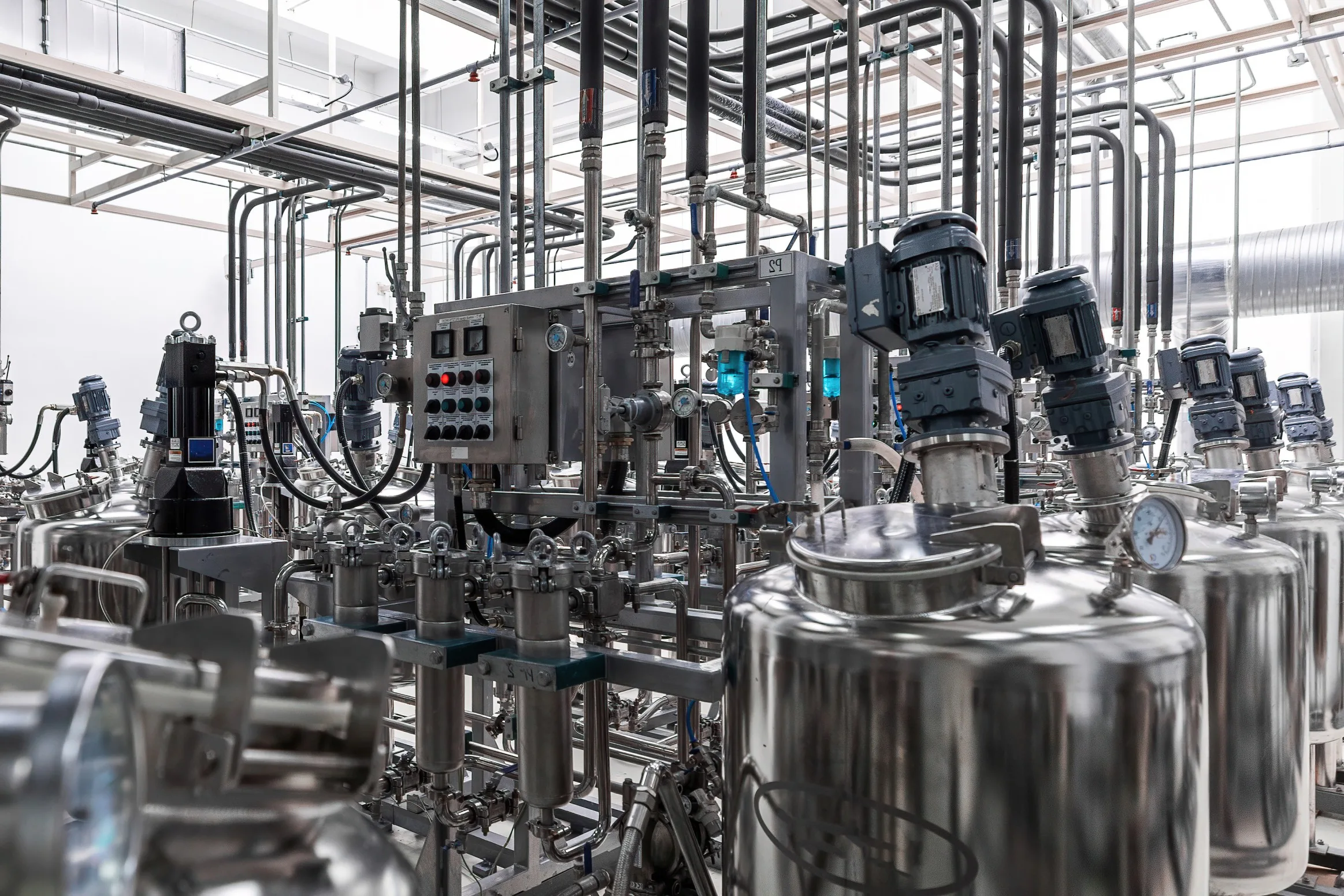
Industrial manufacturing is evolving faster than ever before. Rising customer expectations, stricter regulations, changing raw materials, sustainability goals, and the need for higher productivity are forcing manufacturers to rethink their production processes. Standardized machinery that once served industries effectively is increasingly struggling to meet the unique demands of modern manufacturing environments.
As a result, businesses across chemical, pharmaceutical, food processing, petrochemical, biotechnology, and specialty manufacturing sectors are investing heavily in customized Processing Equipment solutions that align perfectly with their operational requirements.
Unlike standard machines designed for broad applications, customized solutions are developed to match specific production capacities, product characteristics, plant layouts, safety standards, and process requirements. This approach helps organizations maximize efficiency, improve product quality, reduce operational costs, and gain a competitive advantage.
The increasing shift toward product specialization and process optimization has made customized Processing Equipment one of the fastest-growing segments in industrial manufacturing. Companies are no longer asking whether customization is necessary; they are asking how quickly they can implement it.
This article explores the reasons behind this growing demand, the benefits of customization, key industries driving adoption, and how manufacturers can select the right partner for long-term success.
Understanding Customized Processing Equipment
Customized Processing Equipment refers to machinery specifically designed, engineered, or modified to meet the unique operational requirements of a manufacturing facility.
Customization may involve:
- Specific production capacities
- Unique material compatibility
- Special pressure and temperature requirements
- Space limitations within facilities
- Automation integration
- Energy efficiency targets
- Compliance with international standards
- Specialized cleaning requirements
Rather than adapting production processes to fit available equipment, manufacturers are increasingly choosing equipment designed around their processes.
This shift represents a major transformation in industrial engineering philosophy.
Why Standard Equipment Is No Longer Enough
For decades, standardized equipment dominated industrial manufacturing because it offered lower upfront costs and shorter delivery times.
However, today's manufacturing environment presents challenges that standard solutions cannot always address.
Diverse Product Requirements
Modern manufacturers often produce multiple product variants on the same production line.
For example:
- Specialty chemicals
- Nutraceutical products
- Customized pharmaceutical formulations
- High-purity chemicals
- Premium food ingredients
These products frequently require unique operating conditions that generic equipment cannot support efficiently.
Increased Regulatory Compliance
Industries now operate under strict regulations concerning:
- Product purity
- Worker safety
- Environmental protection
- Emissions control
- Material traceability
Customized systems ensure compliance without compromising productivity.
Space Constraints
Many facilities must expand production capacity without increasing plant size.
Tailored equipment designs help maximize available space while maintaining efficiency.
The Key Drivers Behind Growing Demand
Several market trends are accelerating investments in customized Processing Equipment solutions.
1. Industry-Specific Production Requirements
Every industry has unique processing requirements.
For example:
Chemical Industry
Chemical manufacturers often require:
- Corrosion-resistant materials
- High-pressure systems
- Specialized agitators
- Explosion-proof designs
Pharmaceutical Industry
Pharmaceutical manufacturers require:
- Sterile production environments
- Hygienic designs
- Clean-in-place systems
- Validation support
Food Processing Industry
Food manufacturers focus on:
- Sanitary construction
- Easy cleaning
- Product consistency
- Compliance with food safety regulations
Customized equipment ensures every requirement is addressed effectively.
2. Demand for Higher Efficiency
Production efficiency directly impacts profitability.
Standard machines often include unnecessary features while lacking critical functionality required by specific applications.
Customized Processing Equipment eliminates this problem by providing:
- Optimized production cycles
- Reduced changeover times
- Lower waste generation
- Improved throughput
- Better process control
The result is significantly higher operational efficiency.
3. Growth of Specialty Manufacturing
Global demand for specialty products continues to rise.
Examples include:
- Specialty chemicals
- Personalized medicines
- Premium food ingredients
- Advanced materials
- Green chemicals
These products frequently require unique manufacturing environments that standard systems cannot provide.
Customized Processing Equipment allows manufacturers to produce these products consistently and economically.
4. Increasing Automation Requirements
Manufacturers are rapidly adopting Industry 4.0 technologies.
Modern facilities require:
- Smart sensors
- Data collection systems
- Remote monitoring
- Predictive maintenance
- Automated controls
Customized designs make integration significantly easier.
Automation-ready equipment also improves scalability for future expansion.
5. Sustainability Goals
Environmental sustainability has become a major investment driver.
Companies are under pressure to reduce:
- Energy consumption
- Water usage
- Carbon emissions
- Raw material waste
Customized systems optimize resource utilization and support sustainability initiatives.
Benefits of Customized Processing Equipment Solutions
The business case for customization is becoming increasingly compelling.
Improved Production Efficiency
Equipment designed specifically for a production process operates more efficiently than generic alternatives.
Benefits include:
- Faster production cycles
- Reduced bottlenecks
- Improved equipment utilization
- Lower downtime
Efficiency improvements often generate substantial returns over the equipment lifecycle.
Enhanced Product Quality
Consistency is critical in modern manufacturing.
Customized systems maintain tighter control over:
- Temperature
- Pressure
- Mixing speed
- Flow rates
- Residence time
This leads to superior product quality and reduced batch rejection rates.
Reduced Operating Costs
Although customized solutions may require higher initial investments, they frequently reduce long-term operating costs through:
- Lower maintenance expenses
- Reduced energy consumption
- Improved productivity
- Less product waste
- Fewer production interruptions
The total cost of ownership often favors customized solutions.
Greater Flexibility
Markets evolve rapidly.
Manufacturers need equipment capable of adapting to:
- New products
- New formulations
- Capacity increases
- Regulatory changes
Customized systems can be designed with future expansion in mind.
Better Safety Performance
Industrial safety is becoming increasingly important.
Customized designs improve safety through:
- Hazard reduction
- Better ergonomics
- Automated shutdown systems
- Pressure protection systems
- Improved accessibility
This reduces workplace risks and regulatory exposure.
Industries Leading the Demand for Custom Solutions
Several industries are driving global investments in customized Processing Equipment.
Chemical Manufacturing
Chemical producers require highly specialized systems because products often involve:
- Corrosive materials
- Extreme temperatures
- High pressures
- Hazardous reactions
Customized reactors, columns, pressure vessels, and storage systems are essential.
Pharmaceutical Industry
The pharmaceutical industry demands precision and compliance.
Manufacturers require equipment that supports:
- GMP standards
- Sterile operations
- Validation procedures
- Product traceability
Customized solutions ensure regulatory compliance and operational reliability.
Food and Beverage Industry
Changing consumer preferences have increased demand for:
- Organic foods
- Functional beverages
- Plant-based products
- Nutritional supplements
Customized equipment helps manufacturers introduce new products quickly.
Petrochemical Industry
Petrochemical plants operate under some of the harshest industrial conditions.
Customized systems improve:
- Safety
- Reliability
- Process stability
- Maintenance performance
Biotechnology Industry
Biotechnology applications often involve highly sensitive biological processes.
Customized systems provide:
- Sterility control
- Accurate process parameters
- Contamination prevention
The Role of Engineering in Customization
Successful customization begins with engineering expertise.
Manufacturers typically evaluate:
- Product characteristics
- Process conditions
- Production targets
- Utility availability
- Site conditions
- Regulatory requirements
Engineering teams then develop solutions optimized for these variables.
This collaborative approach significantly improves project outcomes.
Common Types of Customized Equipment
Customization extends across nearly every category of industrial machinery.
Reactors
Customized reactors may include:
- Special agitator designs
- Internal coils
- Jacket configurations
- Pressure ratings
- Corrosion-resistant materials
Pressure Vessels
Customized pressure vessels often require:
- Unique dimensions
- Special alloys
- Additional nozzles
- Internal components
Heat Exchangers
Customized heat exchangers improve thermal performance while minimizing energy consumption.
Distillation Columns
Customized column designs improve separation efficiency and product purity.
Storage Tanks
Storage tanks may require:
- Heating systems
- Insulation
- Agitation
- Pressure capabilities
Mixing Systems
Mixing applications vary significantly depending on product viscosity and composition.
Customized mixing solutions improve product consistency.
Digital Transformation and Custom Equipment
Industry 4.0 technologies are accelerating customization trends.
Modern Processing Equipment increasingly includes:
- IoT connectivity
- Real-time monitoring
- Artificial intelligence
- Cloud analytics
- Remote diagnostics
These capabilities improve visibility and decision-making.
Digital technologies also enable predictive maintenance, reducing downtime and maintenance costs.
Challenges of Customization
Despite the advantages, customization introduces several challenges.
Higher Initial Investment
Custom solutions generally cost more than standard equipment.
However, lifecycle savings often justify the additional investment.
Longer Engineering Cycles
Designing unique solutions requires additional engineering effort.
Planning should account for:
- Design approvals
- Manufacturing schedules
- Testing requirements
Vendor Selection Risks
The success of customization depends heavily on the manufacturer's capabilities.
Selecting an experienced partner is essential.
Choosing the Right Equipment Manufacturer
When selecting a supplier, manufacturers should evaluate:
Engineering Expertise
Does the company understand your industry and process requirements?
Manufacturing Capabilities
Can the manufacturer produce equipment in-house while maintaining quality standards?
International Certifications
Compliance with international standards ensures reliability and safety.
After-Sales Support
Long-term technical support is essential for operational continuity.
Global Experience
Export experience often reflects manufacturing maturity and quality control capabilities.
Why Companies Are Choosing Stalwart International
As industries increasingly adopt customized solutions, experienced manufacturing partners are becoming more valuable.
Stalwart International has established itself as a trusted Chemical Process Equipment Manufacturer and Global Exporter serving customers across multiple industries and regions.
The company specializes in customized Process Equipment solutions including:
- Reactors
- Pressure vessels
- Heat exchangers
- Distillation columns
- Storage tanks
- Agitated vessels
- Process systems
Its engineering teams work closely with customers to understand process requirements and deliver equipment tailored to specific operational goals.
This customer-focused approach has helped manufacturers improve productivity, reliability, and efficiency.
The Importance of Process Equipment Customization
Many organizations underestimate the value of properly designed Process Equipment.
Generic solutions often create challenges such as:
- Higher maintenance costs
- Lower efficiency
- Product inconsistencies
- Increased downtime
Customized Process Equipment addresses these issues directly by aligning equipment capabilities with production objectives.
As production environments become increasingly complex, customization will continue to gain importance.
Future Trends Shaping Custom Equipment Demand
Several trends will influence future investments in customized systems.
Artificial Intelligence Integration
AI will optimize:
- Maintenance schedules
- Energy usage
- Production planning
Modular Equipment Designs
Modular systems provide flexibility for future expansion.
Sustainability Engineering
Manufacturers will increasingly demand lower carbon footprints and higher energy efficiency.
Smart Manufacturing
Connected factories will require intelligent and integrated equipment ecosystems.
Digital Twin Technology
Digital twins allow operators to simulate performance before physical implementation.
This reduces project risks and improves operational outcomes.
How Process Equipment Manufacturers Are Responding
Leading Process Equipment manufacturers are investing heavily in:
- Advanced engineering software
- Simulation tools
- Automation technologies
- Digital manufacturing
- Custom fabrication capabilities
These investments enable faster project delivery and improved equipment performance.
The role of Process Equipment suppliers is evolving from equipment providers to strategic manufacturing partners.
This transition is expected to accelerate over the next decade.
Building Competitive Advantage Through Customization
Manufacturers face intense global competition.
Cost reduction alone is no longer enough.
Competitive advantages increasingly depend on:
- Product quality
- Innovation
- Efficiency
- Sustainability
- Speed to market
Customized Process Equipment directly supports these objectives.
Companies investing in tailored solutions are often better positioned to respond to changing market conditions.
Conclusion
The growing demand for customized Processing Equipment solutions reflects a broader transformation in industrial manufacturing.
Businesses require machinery that aligns with their products, processes, regulations, sustainability goals, and growth strategies.
Standard equipment still has its place, but it is no longer sufficient for many modern manufacturing environments.
Customized Processing Equipment delivers superior efficiency, better quality, improved safety, reduced operating costs, and greater flexibility.
As automation, sustainability, and digital transformation continue reshaping industrial operations, the importance of tailored solutions will only increase.
Manufacturers that invest in the right technology and partner with experienced suppliers will be better prepared for future challenges and opportunities.
The evolution of industrial manufacturing clearly points toward one conclusion: customization is no longer a luxury—it is rapidly becoming a competitive necessity.