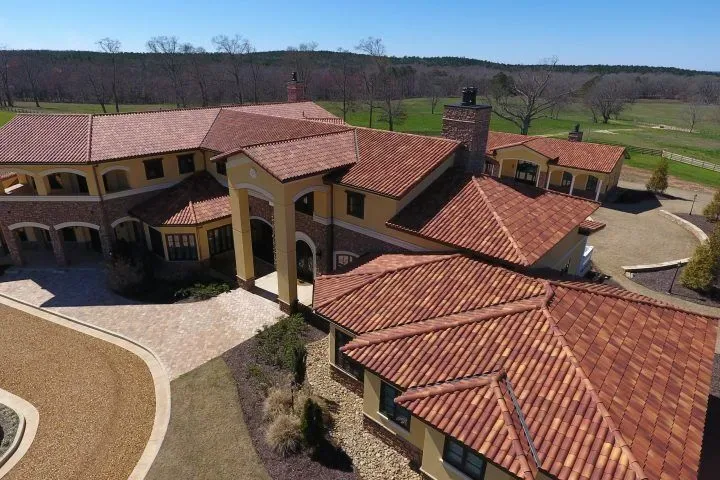
The Future of Sustainable Architecture with Terracotta Roof Tiles
Sustainable architecture is rapidly transforming the global construction industry. As environmental concerns, energy costs, and climate challenges continue to grow, architects and builders are searching for materials that combine durability, efficiency, and ecological responsibility. Roofing systems have become a major focus in this transition because they directly influence thermal performance, energy consumption, and long-term structural resilience. Among the materials gaining renewed attention, terracotta roof tiles are emerging as a powerful solution for sustainable architectural design.
For centuries, clay-based roofing has been used in regions known for hot climates and heavy rainfall. Today, modern architects are rediscovering its value not only for its visual appeal but also for its environmental and functional advantages. Sustainable construction is no longer limited to adding solar panels or using recycled materials. It now involves designing buildings that naturally respond to their surroundings while reducing dependence on artificial energy systems.
The Shift Toward Sustainable Building Materials
The construction industry is responsible for a significant share of global carbon emissions, which has increased the demand for low-impact building materials. Architects are prioritizing materials that are durable, naturally sourced, and capable of improving building efficiency over decades of use.
Clay roofing stands out because it is manufactured from natural earth materials that require relatively simple processing compared to synthetic roofing alternatives. Its longevity further enhances sustainability by reducing the need for frequent replacement and minimizing construction waste. Many modern buildings are now being designed with lifecycle performance in mind, and roofing materials play an essential role in achieving these goals.
As cities expand and temperatures rise, roofing systems that can naturally regulate heat are becoming increasingly important. Sustainable architecture emphasizes passive environmental control strategies, and clay roofing materials align perfectly with this principle.
Thermal Efficiency and Passive Cooling
One of the most important features of sustainable roofing is thermal performance. Buildings that absorb excessive heat require more air conditioning, resulting in higher energy consumption. Clay roofing naturally helps reduce indoor heat gain because of its thermal resistance and ventilation properties.
The structure of terracotta roof tiles allows air to circulate beneath the roof surface, creating a cooling effect that improves indoor comfort. This passive cooling mechanism reduces dependence on mechanical cooling systems, making buildings more energy efficient. In tropical and subtropical climates, this advantage can significantly lower electricity usage over time.
Architects are increasingly integrating climate-responsive design techniques into residential and commercial projects. Roofing materials that contribute to natural ventilation and temperature control are therefore becoming a central part of sustainable planning.
Durability and Long-Term Performance
Sustainability is not only about environmental impact; it is also about longevity. Materials that last longer reduce resource consumption and maintenance requirements. Terracotta roofing systems are known for their exceptional durability and ability to withstand harsh environmental conditions.
Unlike certain synthetic materials that deteriorate under prolonged sunlight or moisture exposure, clay roofing maintains structural integrity for decades. It is resistant to corrosion, fading, and weather-related wear, making it suitable for regions with intense heat, humidity, or heavy rainfall.
This long lifespan makes terracotta a cost-effective solution in the long term. Property owners benefit from lower maintenance expenses and fewer roof replacements, while architects can design structures with lasting performance in mind.
Architectural Appeal in Modern Design
Modern sustainable architecture combines functionality with aesthetic value. Architects are increasingly seeking materials that support environmental goals without compromising visual design. Clay roofing continues to remain relevant because it offers both traditional charm and contemporary versatility.
Today’s architectural projects range from minimalist homes and eco-resorts to luxury villas and heritage-inspired commercial buildings. The natural texture and earthy tones of terracotta complement a wide variety of design styles while creating a connection between modern structures and natural surroundings.
Advancements in manufacturing technology have also expanded the range of profiles, finishes, and installation systems available. This allows architects to integrate clay roofing into innovative contemporary designs while preserving the material’s timeless appearance.
The Future of Sustainable Roofing
As governments and developers place greater emphasis on sustainable urban development, the demand for environmentally responsible roofing systems is expected to grow. Future architecture will likely prioritize materials that improve energy efficiency, reduce environmental impact, and support climate resilience.
In this evolving landscape, terracotta roof tiles are positioned as a practical and future-ready roofing solution. Their natural thermal performance, durability, recyclability, and architectural flexibility make them highly suitable for sustainable construction projects.
Technological innovation may continue to transform the building industry, but the value of natural materials remains undeniable. Terracotta demonstrates how traditional building methods can successfully align with modern sustainability goals.
Conclusion
The future of architecture depends on balancing environmental responsibility with long-term performance and design quality. Sustainable buildings require materials that can reduce energy consumption, withstand changing climate conditions, and maintain structural durability over time. Terracotta roofing fulfills these requirements while also providing timeless architectural appeal.
As architects continue to embrace climate-responsive and energy-efficient design strategies, terracotta will remain an important part of sustainable construction. Its combination of natural performance, resilience, and aesthetic versatility ensures that it will continue shaping the future of environmentally conscious architecture for generations to come.