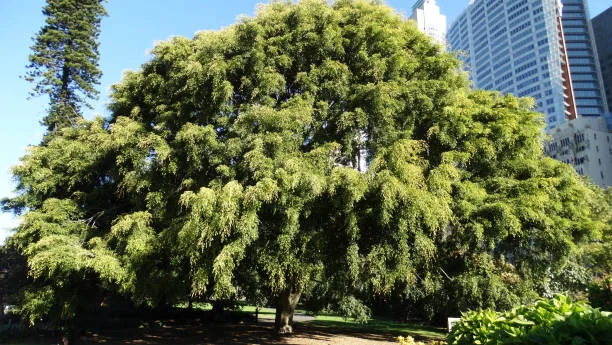
A Weeping Elm is a beautiful ornamental tree known for its graceful, cascading branches, attractive canopy and elegant appearance. Whether planted in a residential garden, park or landscaped outdoor space, weeping elm trees can create an impressive visual feature. However, maintaining their shape and healthy growth requires regular care, and pruning is an important part of that process.
Knowing when and how to prune a Weeping Elm can help maintain its natural form, remove damaged branches, improve airflow and encourage healthy development. Pruning at the wrong time or removing too much growth, on the other hand, can affect the tree's health and appearance.
1. When Is the Best Time to Prune a Weeping Elm Tree?
The best time to prune a Weeping Elm is generally during its dormant season, usually late winter or early spring, before new growth begins. During this period, the tree has reduced growth activity, making it easier to identify its branch structure and remove unwanted growth.
Pruning before the growing season also allows the tree to begin developing new shoots as temperatures become warmer.
However, the ideal timing can vary depending on the local climate, tree condition and the reason for pruning.
Here is when to consider different types of pruning:
- Late winter: Suitable for structural pruning and removing unwanted branches while the tree is dormant.
- Early spring: A good opportunity to complete light maintenance before active growth begins.
- Summer: Light pruning may be appropriate for removing broken, dead or diseased branches.
- Autumn: Avoid unnecessary heavy pruning, as new growth may not have enough time to mature before colder weather.
If your Weeping Elm has damaged or diseased branches, these can be removed, when necessary, rather than waiting for the dormant season.
2. Why Is Regular Pruning Important for Weeping Elm Trees?
Weeping elm trees naturally develop long, arching branches that create their characteristic cascading appearance. Without occasional maintenance, these branches can become overcrowded, damaged or uneven.
Regular pruning helps maintain the tree's structure while supporting its overall health.
Some important benefits include:
Maintaining the natural shape: Removing selected branches helps preserve the elegant, flowing canopy that makes weeping elm trees popular ornamental choices.
Removing dead and damaged branches: Dead, broken or diseased growth can affect the appearance and condition of the tree. Removing these branches helps maintain a healthier canopy.
Improving airflow: Selective pruning reduces overcrowding and allows better air circulation through the branches, helping foliage dry more efficiently.
Managing branch clearance: Low-hanging branches may interfere with pathways, driveways, garden seating areas or other outdoor spaces. Appropriate pruning can improve accessibility.
Encouraging balanced growth: Removing competing or crossing branches can help maintain a more balanced branch structure.
The aim should always be to maintain the natural weeping form rather than forcing the tree into an artificial shape.
3. How to Prune a Weeping Elm Tree: A Step-by-Step Guide
Pruning a Weeping Elm does not necessarily require extensive cutting. Careful selection of branches and the use of appropriate techniques are more important than removing large amounts of growth.
Follow these steps for effective pruning.
Step 1: Inspect the Tree
Before making any cuts, examine the entire tree. Look for dead branches, broken limbs, diseased foliage and areas where branches cross or rub against each other.
Also check whether any branches are growing towards buildings, pathways or other structures.
Understanding the tree's overall structure helps you decide which branches need attention.
Step 2: Remove Dead and Damaged Branches
Start by identifying dead, broken or damaged branches. These should generally be removed first to improve the tree's appearance and reduce potential safety risks.
Make clean cuts just outside the branch collar, which is the slightly swollen area where a branch connects to the trunk or another branch.
Avoid cutting flush against the trunk, as this can interfere with the tree's natural wound response.
Step 3: Remove Crossing and Rubbing Branches
Branches that cross or rub against one another can create wounds in the bark. These damaged areas may become entry points for pests and disease organisms.
Where two branches compete for space, retain the healthier and better-positioned branch while selectively removing the other.
Avoid removing too many branches at once.
Step 4: Maintain the Weeping Shape
One of the most attractive features of a Weeping Elm is its cascading canopy. Avoid cutting all the hanging branches simply to create a rounded or uniform shape.
Instead, selectively remove branches that disrupt the natural outline or become excessively crowded.
If lower branches are interfering with access or movement, shorten or remove selected branches while maintaining the tree's overall appearance.
Step 5: Check the Tree After Pruning
Once pruning is complete, inspect the canopy from different angles. Check that the tree has a balanced appearance and that no unnecessary branches have been removed.
Remove fallen branches and other garden debris from the surrounding area.
4. Essential Tools for Pruning Weeping Elm Trees
Using clean, sharp tools helps produce smoother cuts and reduces unnecessary damage to branches.
Depending on the tree's size and the thickness of its branches, you may need:
- Hand pruning shears: Suitable for small shoots and thin branches.
- Loppers: Useful for cutting thicker branches that are difficult to reach with hand shears.
- Pruning saw: Designed for larger branches that require more cutting capacity.
- Protective gloves: Help protect your hands from scratches and rough branches.
- Safety equipment: Eye protection and other suitable protective equipment are important when working around branches.
Always clean and disinfect pruning tools between trees, particularly when working with potentially diseased material.
For large branches, elevated work or pruning near power lines, contact a qualified arborist rather than attempting the work yourself.
5. Common Pruning Mistakes to Avoid
Although pruning helps maintain healthy weeping elm trees, incorrect techniques can create unnecessary stress and affect their natural growth.
Here are some common mistakes to avoid:
Over-pruning: Removing too much of the canopy can reduce the tree's ability to produce energy through photosynthesis. Always prune selectively.
Cutting too close to the trunk: Flush cuts can damage the branch collar and interfere with natural wound closure.
Removing healthy branches unnecessarily: Healthy branches contribute to the tree's structure and overall appearance. Avoid cutting them without a clear reason.
Ignoring diseased growth: Leaving infected or severely damaged branches can contribute to ongoing tree health problems.
Using blunt tools: Dull pruning equipment can produce rough cuts and damage surrounding bark.
Taking a gradual approach is generally better than attempting to reshape the entire tree in one pruning session.
6. Additional Care Tips to Keep Your Weeping Elm Healthy
Pruning is only one part of maintaining a healthy Weeping Elm. Proper watering, suitable soil conditions and regular inspections are equally important.
Consider these maintenance practices:
- Water appropriately: Provide sufficient water during dry periods, particularly while young trees establish their root systems.
- Apply organic mulch: A layer of mulch helps retain soil moisture and regulate soil temperature. Keep it away from direct contact with the trunk.
- Check for pests and diseases: Inspect leaves, branches and bark regularly for unusual spots, discolouration or signs of insect activity.
- Maintain suitable soil drainage: Avoid prolonged waterlogging, which can damage roots and affect tree growth.
- Monitor branch development: Check for overcrowding, damaged limbs and changes in the tree's natural shape.
Consistent maintenance can help prevent minor issues from developing into more serious problems.
Conclusion
Pruning is an essential part of maintaining the health, structure and appearance of a Weeping Elm. The best time for major pruning is generally late winter or early spring, before new growth begins, although dead and damaged branches can be removed whenever necessary.
By using clean tools, removing unwanted growth selectively and preserving the tree's natural cascading shape, you can support healthy development and maintain its ornamental appeal.
With appropriate pruning and regular maintenance, weeping elm trees can remain attractive features in gardens and landscaped spaces for many years.