
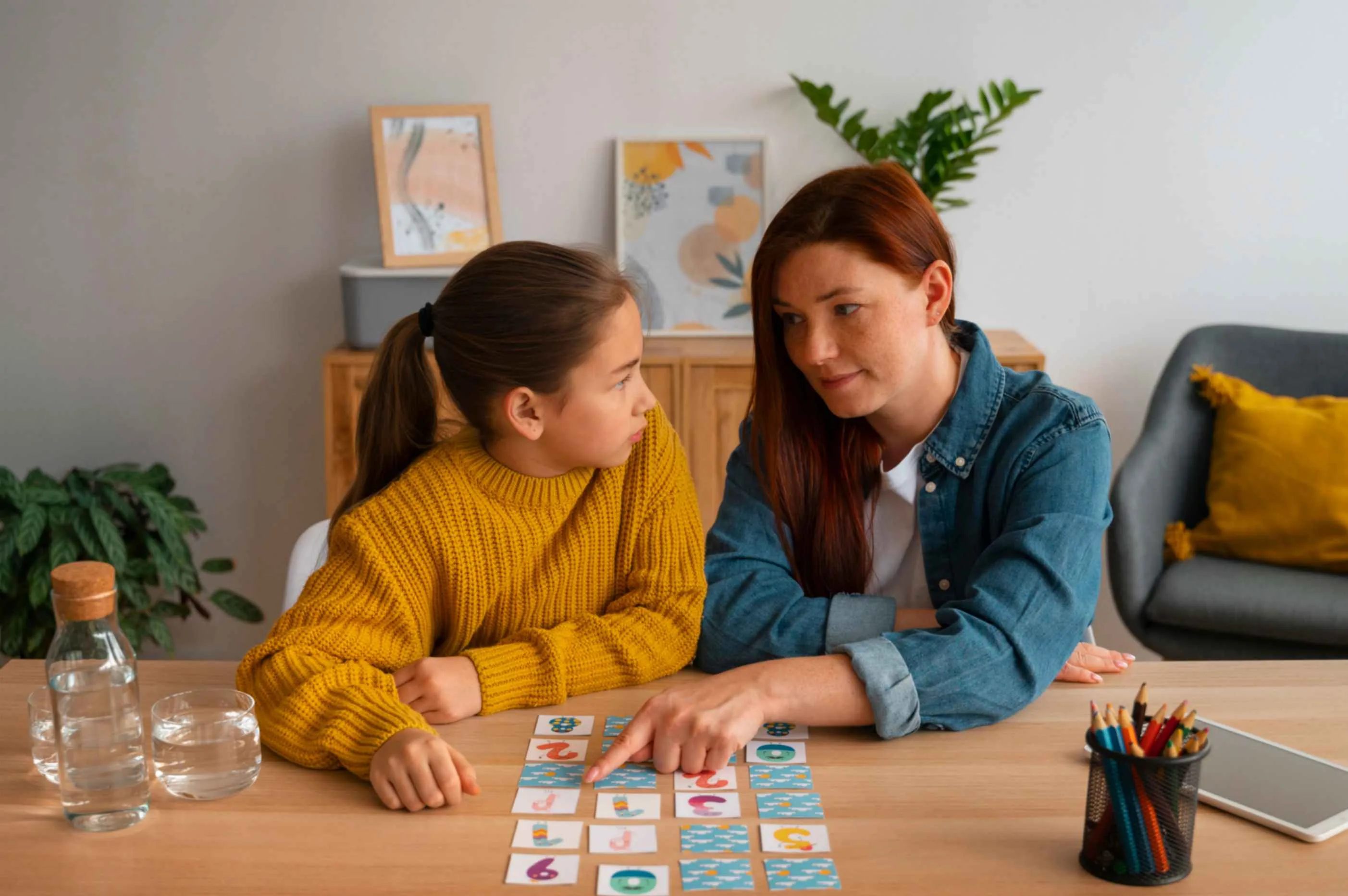
Every child with autism has unique strengths, challenges, and learning styles. That's why personalized interventions play such an important role in supporting their development. Applied Behavior Analysis (ABA) therapy is one of the most widely recognized evidence-based approaches for helping children build communication, social, behavioral, and daily living skills. While therapy can be delivered in different settings, many families are discovering the advantages of receiving services in the comfort of their own homes.
Home-based ABA therapy creates opportunities for children to learn in a familiar environment where they spend most of their time. It also encourages greater family involvement and allows therapists to address real-life situations that naturally occur throughout the day. Let's explore the many benefits of ABA therapy at home and why it can be a valuable option for children with autism.
Personalized Learning in a Familiar Environment
Choosing ABA therapy at home in Greenville, SC allows children to learn in an environment where they feel safe, comfortable, and confident. Since therapy takes place in the child's everyday surroundings, therapists can tailor interventions to the child's routines, interests, and individual goals. This personalized approach often helps children remain engaged and motivated during sessions.A familiar environment also reduces distractions and anxiety that some children may experience in unfamiliar settings. Skills such as following directions, completing household tasks, improving communication, and managing transitions can be taught where they naturally occur, making it easier for children to understand and apply what they learn.
Encourages Real-Life Skill Development
One of the greatest strengths of home-based ABA therapy is its focus on practical, everyday learning. Rather than practicing skills in an artificial environment, children have opportunities to develop meaningful abilities during daily routines.
Therapists may work on skills such as:
- Following morning and bedtime routines
- Communicating wants and needs effectively
- Sharing toys with siblings
- Completing simple household responsibilities
- Practicing self-care skills like dressing or brushing teeth
Because these activities happen regularly, children have more opportunities to practice and strengthen their new skills until they become part of their daily lives.
Greater Family Involvement
Parents and caregivers are essential members of a child's support team. Home-based ABA therapy encourages active participation, allowing families to observe therapy sessions, ask questions, and learn effective strategies they can continue using throughout the day.
This collaboration creates consistency between therapy sessions and daily routines. When parents reinforce the same techniques, children receive frequent opportunities to practice desired behaviors, often leading to more meaningful and lasting progress.
Families also gain confidence in managing challenging behaviors while supporting their child's continued development outside scheduled therapy sessions.
Consistent Progress Through Natural Reinforcement
Children learn best when skills are practiced repeatedly in meaningful situations. Home-based therapy allows therapists to reinforce positive behaviors immediately as they occur during everyday activities.
Whether asking politely for a favorite snack, cleaning up toys after playtime, or greeting family members appropriately, natural reinforcement helps children understand why certain behaviors are valuable.
Many families seeking ABA therapy in Greenville, SC appreciate how therapists incorporate learning opportunities into daily routines instead of relying solely on structured activities. This approach helps children generalize skills more effectively across different situations and environments.Flexible and Family-Centered Care
Every family's schedule is different. Home-based ABA therapy often offers greater flexibility, allowing sessions to fit around school schedules, family commitments, and other therapies.
Therapists can also adapt sessions based on the child's energy level, interests, or immediate needs. If unexpected challenges arise during the day, they can use those moments as valuable teaching opportunities instead of waiting for another session.
This family-centered approach ensures therapy remains relevant, practical, and responsive to each child's unique circumstances.
Improved Communication and Social Skills
Communication and social interaction are common areas of focus for children with autism. In-home therapy provides countless opportunities to practice these skills with parents, siblings, relatives, and visitors.
Therapists can teach children how to:
- Request help appropriately
- Initiate conversations
- Respond to questions
- Maintain eye contact when appropriate
- Take turns during games
- Express emotions effectively
Practicing these interactions within the home creates meaningful learning experiences that often transfer naturally to school, community activities, and other social environments.
Supporting Long-Term Success with Professional Guidance
At Best Ever ABA, families receive compassionate, individualized support designed to help children reach their fullest potential. Through ABA therapy at home in Greenville, SC, experienced professionals create customized treatment plans based on each child's strengths, developmental needs, and family goals.Rather than focusing solely on behavior management, therapists work to build communication, independence, social interaction, and essential life skills that support long-term success. Parents remain active partners throughout the therapy process, creating a collaborative environment that benefits the entire family.
Why Home-Based ABA Therapy Makes a Difference
Home-based ABA therapy offers much more than convenience. It provides children with opportunities to learn where they feel most comfortable while allowing families to actively participate in their child's progress. The familiar setting supports personalized instruction, real-life skill development, consistent reinforcement, and stronger collaboration between therapists and caregivers.
When children practice meaningful skills in their everyday environment, they are often better prepared to apply those skills in school, community settings, and future life experiences. For many families, home-based ABA therapy becomes an important foundation for continued growth, increased independence, and improved quality of life.
By choosing experienced professionals who understand each child's unique journey, families can create a supportive learning environment that encourages lasting progress and celebrates every milestone along the way.