If you have searched for a collagen moisturizer on Amazon, you have seen the overwhelming 8,000-plus results. That number alone tells you something: demand is massive, and brands are racing to meet it. But it also creates a problem. How do you separate marketing hype from real skin benefits? How do you know which formula is worth your money and which one is just a pretty jar? This guide cuts through the noise. You will learn what topical collagen actually does, how to pick a product for your specific skin type, and which five collagen moisturizers deserve attention in 2026.
Table of Contents
- What Is a Collagen Moisturizer? (And Why Your Skin Needs It)
- Collagen Moisturizer vs. Collagen Supplements: Which Works Better?
- How to Choose the Best Collagen Moisturizer for Your Skin Type
- The 5 Best Collagen Moisturizers for 2026 (Curated Picks)
- How to Layer a Collagen Moisturizer in Your Daily Routine
- Common Questions About Collagen Moisturizers
- The Bottom Line: Is a Collagen Moisturizer Worth It in 2026?
What Is a Collagen Moisturizer? (And Why Your Skin Needs It)
A collagen moisturizer is a topical cream, lotion, or gel that includes collagen as a featured ingredient. It is not the same as a collagen supplement, which you ingest in powder or capsule form. The topical version sits on your skin and works at the surface level. The supplement enters your bloodstream and, in theory, provides building blocks for collagen production throughout your body. These are two completely different delivery methods with two completely different sets of expectations.
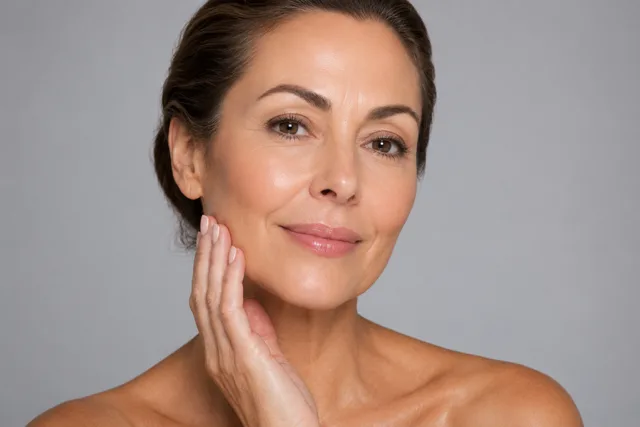
Your skin needs collagen because collagen is what keeps it firm, bouncy, and smooth. The trouble is that natural collagen production begins slowing down in your mid-twenties. By the time you hit your thirties and forties, the decline accelerates. You start to notice sagging along the jawline, fine lines around the eyes, and a loss of that plump, youthful elasticity. This is where collagen moisturizers enter the conversation.

Photo by Nothing Ahead on Pexels
Now for the elephant in the room: topical collagen molecules are too large to penetrate deep into the dermis, where your natural collagen lives. This is not a rumor. It is confirmed by board-certified dermatologists cited in Allure, Byrdie, and Health.com. The molecules simply cannot squeeze through the outer layer of skin to reach the deeper structures. So if a cream promises to replace lost collagen or rebuild your skin from within, that promise is misleading.
But that does not mean collagen moisturizers are useless. Far from it. They work on the skin's surface to hydrate, plump, and protect the moisture barrier. When your skin is well-hydrated, fine lines appear softer and your complexion looks smoother. This creates a temporary firming effect that is visible and real, even if it is not structural. Think of it as cosmetic hydration rather than biological reconstruction.
There is also a newer concept worth knowing: collagen banking. The idea, highlighted by Byrdie, is that using collagen-supporting products earlier in life helps preserve what you have. By keeping skin hydrated and protected, you may slow the visible signs of aging before they start. For someone in their late twenties, a collagen moisturizer becomes a preventive tool, not a corrective one.
Collagen Moisturizer vs. Collagen Supplements: Which Works Better?
This is the comparison most guides skip, and it is the one shoppers actually need. Topical collagen and oral collagen supplements serve different purposes, and understanding that difference saves you money and disappointment.
Topical collagen moisturizers deliver immediate surface hydration. They smooth the skin, support the moisture barrier, and create a temporary plumping effect that makes fine lines less noticeable. The results are instant but short-lived. You apply the cream, your skin looks fresher, and that benefit fades when you wash your face. For daily moisture and texture improvement, a collagen moisturizer is a solid choice.

Photo by Misolo Cosmetic on Pexels
Oral collagen supplements are a different story. Dr. Farah Moustafa, a dermatologist at Tufts University, has stated that oral collagen supplements are not currently recommended for treating skin aging. Some studies suggest improvements in skin elasticity after twelve weeks or more of consistent use, but the evidence is not strong enough for widespread medical endorsement. The supplements are generally safe, but their effectiveness varies widely depending on the formulation, dosage, and individual factors.
The verdict is clear once you understand what each option actually does. For immediate cosmetic results and reliable daily hydration, a collagen moisturizer wins. It gives you something you can see and feel right away. For systemic collagen production, neither topical collagen nor oral supplements are the most effective route. Retinoids, vitamin C, and peptides have far more robust clinical evidence behind them for stimulating real collagen synthesis in the skin.
The smartest approach combines both worlds. Use a collagen moisturizer for its surface benefits: hydration, barrier support, and that smooth, plump finish. Then layer a peptide serum or retinol product underneath to address deeper collagen production. The moisturizer handles the cosmetic side while the active ingredients do the biological work. You get the best of both without expecting one product to do everything.
How to Choose the Best Collagen Moisturizer for Your Skin Type
For Dry and Dehydrated Skin
If your skin feels tight after washing or shows flaky patches by midday, you need a collagen moisturizer with rich, occlusive ingredients. Look for butters, ceramides, and squalane on the label. These ingredients seal moisture into the skin and prevent water loss throughout the day. The collagen itself is secondary here. What your skin really craves is a blend of humectants that draw water in and emollients that lock it there. A product like Olay Regenerist Collagen Peptide 24 Hydrating Moisturizer, priced around thirty dollars, fits this profile well. It combines collagen with peptides and a creamy texture that dry skin absorbs readily.
For Oily and Acne-Prone Skin
Oily skin still needs moisture, but the texture of your collagen moisturizer matters enormously. Skip heavy creams and oils. Instead, reach for gel-cream or water-based formulas that feel lightweight and absorb quickly. These hydrate without leaving a greasy film or clogging pores. The Medicube Collagen Jelly Cream, at around twenty dollars, is a standout here. Its jelly texture sinks in fast and can even be applied in a thicker layer as an overnight mask when your skin needs extra recovery. Most collagen moisturizers are non-comedogenic by nature, but always scan the ingredient list for known pore-clogging offenders like coconut oil or isopropyl myristate.
For Mature Skin (Ages 40 and Above)
Once you pass forty, the collagen conversation shifts. A moisturizer that simply lists collagen as an ingredient is not enough. You need supporting actives that stimulate real collagen production: peptides, retinol, or vitamin C. These are the ingredients that signal your skin to produce more of its own collagen over time. Elemis Pro-Collagen Marine Cream, priced at one hundred forty dollars, is a luxury option that combines marine-derived actives with a rich, firming texture. It is expensive, but the formula is built around anti-aging performance rather than just the collagen label. For mature skin, the collagen name on the jar matters less than what else is inside.
For Sensitive Skin
Sensitive skin reacts to fragrances, essential oils, and drying alcohols. When shopping for a collagen moisturizer, prioritize formulas with short ingredient lists and claims like barrier repair or soothing. Collagen itself is generally gentle and well-tolerated, but the supporting ingredients can cause trouble. Avoid anything with added fragrance, even natural ones like lavender or citrus oils. Patch test every new product on a small area of your jaw or neck for a few days before applying it to your whole face. A calm, intact moisture barrier is more valuable than any single active ingredient.
The 5 Best Collagen Moisturizers for 2026 (Curated Picks)
These five products represent the best options across different price points, skin types, and ingredient philosophies in 2026. Each pick is based on formulation quality, user feedback, and how well it delivers on the specific promise of a collagen moisturizer.
Best Budget: Neutrogena Collagen Bank Face Moisturizer ($19.99 to $23). This is the entry point that proves you do not need to spend a fortune. It delivers lightweight hydration with a focus on barrier support. A bonus version includes SPF, which makes it a smart two-in-one for mornings when you want sun protection without an extra step. Best for anyone who wants a reliable, affordable daily moisturizer with collagen benefits.
Best Drugstore All-Rounder: Olay Regenerist Collagen Peptide 24 ($30). Olay has been in the collagen game for years, and this formula pairs collagen with peptides for a one-two approach. The texture is creamy without being heavy, making it suitable for normal to dry skin types. It is widely available at drugstores and consistently earns strong reviews. Best for someone who wants a proven formula that balances collagen with peptide technology.
Best for Oily Skin and Texture: Medicube Collagen Jelly Cream ($20). Korean beauty continues to lead on texture innovation, and this jelly cream is a prime example. It feels cool and refreshing on application, absorbs almost instantly, and leaves zero residue. You can use it as a daytime moisturizer or apply a thicker layer at night as a hydrating mask. Best for oily, combination, or texture-conscious skin that still wants collagen hydration.
Best Splurge for Anti-Aging: Elemis Pro-Collagen Marine Cream ($140). This is the luxury pick, and the price reflects its premium positioning. The formula uses marine-derived actives alongside collagen to target firmness and elasticity. The texture is rich and silky, and the sensory experience feels indulgent. Best for mature skin or anyone willing to invest in a high-end anti-aging moisturizer.
Best Emerging Brand: Heart N Soul Beauty Collagen Oatmeal Anti-Aging Cream($55). Whether you have dry, oily, or sensitive skin, this collagen oatmeal face moisturizer is suitable for all skin types.
- Powerful Hydration: Infused with humectants that attract moisture to the skin, our moisturizer provides deep hydration essential for maintaining plump, youthful skin.
- Anti-Aging Properties: Packed with collagen, our cream helps to reduce the appearance of fine lines and wrinkles, making your skin look smoother and more youthful.
- Soothing Oatmeal Extract: Known for its calming properties, oatmeal helps to soothe irritated skin, promoting a healthy complexion.
- Lightweight Texture: This non-greasy formula absorbs quickly, ensuring your skin feels soft and moisturized without any heavy residue.
These recommendations are editorial picks based on 2026 market data and formulation analysis. Results vary by individual, and what works for one person may not work for another. Use these as a starting point, not a final prescription.
How to Layer a Collagen Moisturizer in Your Daily Routine
A collagen moisturizer fits easily into most skincare routines, and it plays well with other active ingredients. The key is knowing where it belongs in the sequence and what to pair it with.
In the morning, start with a gentle cleanser, then apply a vitamin C serum. Vitamin C supports natural collagen production and provides antioxidant protection. Follow with your collagen moisturizer to lock in hydration and create a smooth base. Finish with SPF 30 or higher. If you use the Neutrogena Collagen Bank version with built-in SPF, you can combine the last two steps. Sun protection is non-negotiable because UV damage breaks down collagen faster than almost anything else.
In the evening, cleanse thoroughly to remove sunscreen and buildup from the day. Apply a retinol or peptide serum next. Both ingredients stimulate collagen production at the dermal level, which is exactly what your topical collagen moisturizer cannot do on its own. Seal everything in with your collagen moisturizer. For an extra hydration boost, apply a thicker layer of a gel-cream formula like the Medicube Collagen Jelly Cream and leave it on as an overnight mask. You can also use it as a ten-minute rinse-off mask if you prefer a quicker treatment.
Collagen moisturizers are safe for daily use, morning and night. They are not sun-sensitizing, unlike retinoids or alpha hydroxy acids, so there is no restriction on daytime application. Dr. Jeannette Graf confirms that topical collagen works well alongside retinoids, retinol, peptides, and vitamin C. There is no conflict to worry about, just complementary benefits.
Common Questions About Collagen Moisturizers
Do dermatologists recommend collagen moisturizers?
They recommend them for hydration and barrier support, but they caution that these creams do not rebuild deep collagen. Peptides and retinoids are more effective for that purpose. Think of a collagen moisturizer as a hydration tool, not a structural repair treatment.
How long until I see results?
Immediate hydration and plumping are visible right after application. That is the surface-level effect. For noticeable firmness or wrinkle reduction, expect four to eight weeks of consistent use. Even then, the changes come from improved hydration and supporting ingredients, not from the collagen molecule itself.
Can collagen moisturizers cause breakouts?
Rarely. Collagen itself is not a pore-clogging ingredient. Breakouts are more likely caused by heavy oils, butters, or fragrances in the formula. If you are acne-prone, stick to gel-cream textures and fragrance-free options.
What is the best age to start using a collagen moisturizer?
Mid-to-late twenties is the ideal window to begin, aligning with the natural slowdown of collagen production. At this stage, it functions as a preventive collagen banking strategy. That said, it is beneficial at any age for hydration and surface smoothing.
What ingredients actually boost collagen production?
Retinoids, including retinol and prescription tretinoin, have the strongest evidence. Vitamin C, specifically L-ascorbic acid, is also well-studied. Peptides like matrixyl and copper peptides signal the skin to produce more collagen. PDRN is an emerging ingredient with promising early attention. These are the actives to look for when your goal is real collagen stimulation.
The Bottom Line: Is a Collagen Moisturizer Worth It in 2026?
Yes, a collagen moisturizer is worth it, but only with realistic expectations. It is an excellent hydrator and surface plumper. It makes skin look smoother and feel softer. It supports the moisture barrier and plays nicely with other active ingredients in your routine. These are genuine, valuable benefits.
No, it will not erase deep wrinkles or replace lost collagen at the structural level. For that, you need a retinoid or peptide serum working beneath the surface. The collagen label on a moisturizer is not a shortcut to firmer skin. It is a signal that the product focuses on hydration and temporary plumping, which are useful but limited.
Your final decision should come down to skin type and texture preference, not the word collagen on the front of the jar. Look past the marketing and check the ingredient list for supporting players: peptides, ceramides, SPF, and antioxidants. Choose a gel-cream if you are oily, a rich cream if you are dry, and a fragrance-free formula if you are sensitive. The right collagen moisturizer is the one that fits your skin and your routine, not the one with the loudest claims.
Ready to find your perfect match? Explore the Heart N Soul Beauty collection to discover skincare and beauty products designed for real results without the confusion.