Tennis elbow is a common condition that can make gripping, lifting, typing, exercising, carrying objects, and performing repetitive hand movements uncomfortable. Despite its name, the condition is not limited to tennis players. It can affect office workers, gym enthusiasts, manual workers, musicians, recreational athletes, and anyone who repeatedly loads the muscles and tendons around the forearm and elbow.
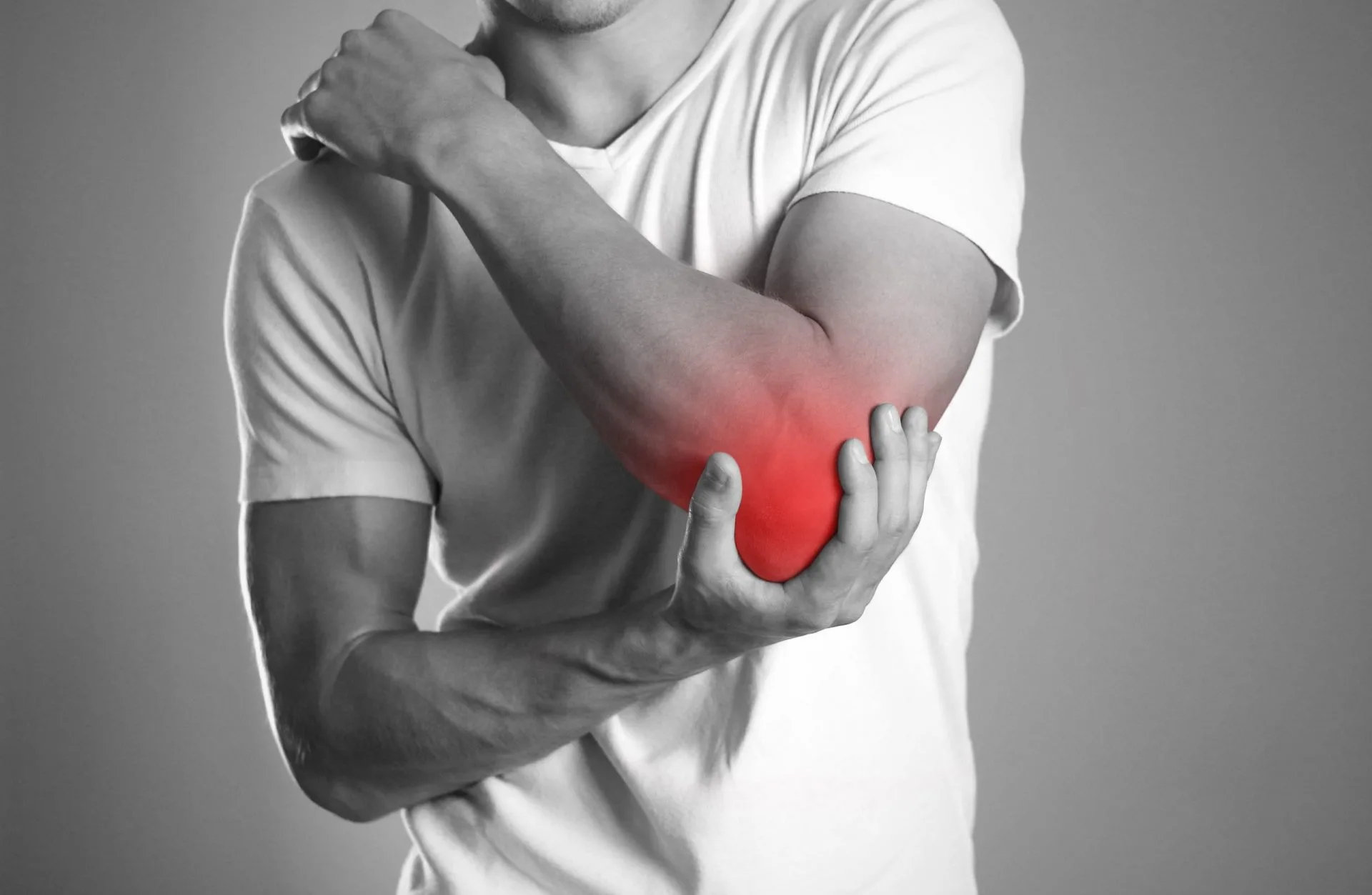
The medical term commonly used for tennis elbow is lateral epicondylalgia. It generally involves the tendons attached to the outer part of the elbow, particularly the common wrist-extensor tendon. Repetitive loading can gradually irritate these tissues and lead to pain, reduced grip strength, and difficulty with everyday activities.
For individuals looking for Tennis Elbow Treatment Dubai, personalized physiotherapy can provide a structured approach to restoring movement and gradually rebuilding strength. The Vitruvian Italian Physiotherapy Center identifies tennis elbow as one of its signature treatment areas and describes a progressive rehabilitation approach involving assessment, therapeutic loading, manual therapy when appropriate, ergonomic guidance, and exercise-based rehabilitation.
What Is Tennis Elbow?
Tennis elbow usually affects the tendons connecting the forearm muscles to the outside of the elbow. These muscles help extend the wrist and fingers and contribute to gripping and lifting activities.
Repeated or excessive loading can cause the tendon to become painful and less tolerant of everyday physical demands. Symptoms may develop gradually rather than following one obvious injury.
Although tennis players can develop the condition because of repetitive racket movements, many people with tennis elbow have never played tennis. Repetitive computer use, lifting, gym exercises, manual work, cooking, childcare, and other gripping activities can also place stress on the involved tissues.
Common Symptoms of Tennis Elbow
Tennis elbow can produce several symptoms that affect both athletic performance and ordinary activities.
Common symptoms include:
- Pain or tenderness on the outside of the elbow
- Discomfort when gripping objects
- Pain when lifting
- Reduced grip strength
- Forearm aching
- Discomfort during wrist extension
- Pain when using tools
- Difficulty carrying objects
- Symptoms that increase during repetitive activities
Some individuals may notice discomfort when opening jars, shaking hands, using a computer mouse, holding a phone, carrying shopping bags, or performing resistance exercises.
Because symptoms can overlap with other elbow or neck conditions, professional assessment can help determine the most appropriate rehabilitation approach.
Why Tennis Elbow Can Affect Everyday Life
The muscles and tendons involved in tennis elbow are used during many ordinary movements. Even relatively light activities can require repeated gripping and wrist control.
This means that tennis elbow may interfere with:
- Office work
- Driving
- Household chores
- Cooking
- Exercise
- Lifting children
- Carrying bags
- Using tools
- Recreational sports
- Playing musical instruments
The objective of rehabilitation is therefore not simply to reduce elbow discomfort. It is also to restore the strength and tolerance needed for everyday movement.
The Importance of an Accurate Physiotherapy Assessment
An effective rehabilitation program begins with understanding the patient's symptoms and physical limitations.
A physiotherapist may assess:
- Location of pain
- Grip strength
- Wrist movement
- Elbow mobility
- Forearm strength
- Cervical and upper-limb function
- Movement patterns
- Repetitive activities
- Workplace demands
- Sporting requirements
- Previous injuries
Vitruvian Italian Physiotherapy Center describes an initial tennis-elbow evaluation that can include clinical tests, grip-strength measurement, a cervical screen, treatment planning, and ergonomic assessment.
This type of assessment helps distinguish tennis elbow from other potential causes of elbow or arm discomfort.
Personalized Physiotherapy for Tennis Elbow
There is no single exercise that works equally well for every person with tennis elbow. Rehabilitation needs to consider the severity and duration of symptoms, current strength, activity level, and the demands placed on the arm.
A personalized program may include:
- Isometric exercises
- Progressive resistance exercises
- Wrist-extensor strengthening
- Grip strengthening
- Forearm mobility
- Stretching
- Manual therapy
- Ergonomic education
- Activity modification
- Functional rehabilitation
The intensity can be gradually adjusted as the tendon becomes more capable of handling physical load.
Progressive Loading for Tendon Recovery
Progressive loading is an important component of modern tennis-elbow rehabilitation. Tendons respond to appropriately dosed mechanical loading, and rehabilitation can gradually increase the amount of work the affected tissues are expected to perform.
Early exercises may involve controlled contractions with relatively low resistance. As tolerance improves, rehabilitation can progress toward heavier resistance and more functional movements.
Vitruvian Italian Physiotherapy Center describes tennis elbow rehabilitation as a structured progressive-loading process, including isometric loading initially and later progression to wrist-extensor, grip, and resistance exercises.
The key is progression at an appropriate pace rather than attempting to strengthen the elbow aggressively from the beginning.
Isometric Exercises for Early Rehabilitation
Isometric exercises involve contracting a muscle without significant joint movement. They can be incorporated into rehabilitation when a patient needs a controlled introduction to loading.
For tennis elbow, exercises may target the wrist and forearm muscles.
The amount of resistance and duration of each contraction should be selected according to the individual's symptoms and physical capacity.
As tolerance improves, the rehabilitation program can progress toward dynamic resistance exercises.
Eccentric and Resistance Exercises
Later-stage rehabilitation may include eccentric exercises, in which the muscle-tendon unit controls movement while lengthening under load.
Resistance exercises can also be used to develop the strength required for gripping, lifting, and sporting activity.
Vitruvian's published tennis-elbow rehabilitation pathway progresses from early isometric loading toward wrist-extensor exercises, the Tyler Twist FlexBar routine, grip exercises, and progressive dumbbell loading.
The exact exercise selection should be individualized rather than copied from a generic program.
Grip Strength and Functional Recovery
Grip strength is an important consideration because the forearm muscles involved in tennis elbow contribute to gripping and wrist control.
Reduced grip strength can make simple tasks more difficult and may affect sporting performance.
A rehabilitation program can progressively challenge grip strength through appropriate exercises. Examples may include grip putty, resistance devices, controlled carrying exercises, and activity-specific strengthening.
The objective is to build tolerance gradually so that the patient can return to everyday activities without unnecessarily overloading the recovering tendon.
Manual Therapy for Tennis Elbow
Manual therapy can be incorporated into a rehabilitation program when clinically appropriate. Techniques may address the surrounding muscles, joints, and soft tissues.
Manual treatment is generally most useful when combined with active rehabilitation rather than being viewed as the entire treatment strategy.
Vitruvian Italian Physiotherapy Center describes manual therapy as part of its tennis-elbow rehabilitation approach when necessary.
The therapist can determine whether manual techniques are appropriate based on the patient's assessment and movement limitations.
Ergonomic Guidance for Office Workers
Office workers can develop or aggravate elbow symptoms through repetitive mouse use, keyboard activity, sustained gripping, or prolonged positioning of the wrist and forearm.
Ergonomic assessment may consider:
- Desk height
- Mouse positioning
- Keyboard placement
- Wrist position
- Frequency of movement breaks
- Repetitive workload
- Grip demands
The objective is not necessarily to stop using the affected arm. Instead, rehabilitation can help identify ways to manage workload while progressively restoring tendon capacity.
Vitruvian's tennis-elbow rehabilitation approach includes ergonomic inquiries and guidance as part of the assessment and treatment process.
Tennis Elbow in Athletes
Athletes may develop tennis elbow through repetitive gripping and wrist movements associated with tennis, padel, weight training, racket sports, or other activities.
Athletic rehabilitation may need to address technique, training volume, equipment, strength, recovery, and gradual return to sport.
The goal is to restore sufficient capacity for the specific demands of the activity rather than simply eliminating pain during rest.
For athletes, later-stage rehabilitation can include sport-specific strengthening and controlled practice movements before returning fully to competition.
Tennis Elbow and Gym Training
Strength training can place substantial loads on the forearm and elbow. Exercises such as rows, pull-ups, deadlifts, curls, and other gripping movements may aggravate symptoms when the tendon is not tolerating its current workload.
This does not necessarily mean that all exercise must stop.
A physiotherapist can help identify which movements should temporarily be modified and which can remain part of the training routine. Load, grip position, resistance, repetitions, and exercise selection can all be adjusted.
As strength improves, activities can gradually be reintroduced.
Activity Modification During Recovery
Activity modification is often useful when dealing with a painful tendon. The goal is to reduce excessive or repetitive loading while maintaining appropriate movement and physical activity.
This may involve temporarily changing:
- Exercise volume
- Resistance levels
- Grip intensity
- Repetition frequency
- Sporting technique
- Workstation habits
- Manual tasks
Complete avoidance of all activity is not necessarily the objective. Instead, rehabilitation should help the individual find a level of activity that the elbow can tolerate while progressively increasing capacity.
Shockwave Therapy as an Adjunct
Some physiotherapy programs use shockwave therapy as an adjunct for persistent or chronic tendon problems.
Vitruvian Italian Physiotherapy Center includes shockwave therapy among its available physiotherapy modalities and describes it as an optional component of its tennis-elbow pathway for selected chronic cases.
Whether shockwave therapy is appropriate depends on the patient's condition and clinical assessment. It should be considered within a broader rehabilitation strategy rather than automatically applied to every case.
The Role of Bracing
Some patients may benefit from temporary support such as a counterforce brace during certain activities.
A brace may help modify how forces are transmitted through the forearm during gripping or repetitive tasks.
Vitruvian's published tennis-elbow pathway mentions counterforce braces when appropriate.
The suitability of a brace depends on the patient's symptoms, activities, and treatment plan.
Why Recovery Can Take Time
Tendon-related conditions often require patience because improvements in tissue capacity and physical tolerance can take time.
A person may feel better before the tendon has fully regained its previous load tolerance. Returning too quickly to heavy gripping, repetitive work, or intense sports can therefore make it difficult to maintain progress.
A structured rehabilitation program allows physical demands to increase gradually.
The published Vitruvian tennis-elbow rehabilitation pathway describes a multi-stage approach extending over approximately 10 weeks, with progression based on the patient's response and functional status.
Individual recovery times can vary considerably.
When to Consider Further Medical Evaluation
Physiotherapy is appropriate for many cases of tennis elbow, but persistent or unusual symptoms may require further medical evaluation.
Additional assessment may be considered when:
- Symptoms remain despite an organized rehabilitation program
- There is substantial weakness
- Pain is severe or worsening
- Symptoms do not match a typical tennis-elbow pattern
- There was significant trauma
- Neurological symptoms are present
- Another elbow or neck condition is suspected
Diagnostic imaging may sometimes be considered when the clinical picture is unclear or symptoms persist.
Surgical Treatment for Persistent Tennis Elbow
Most tennis-elbow cases are managed conservatively. Surgery is generally reserved for selected cases that remain significantly symptomatic despite an appropriate period of non-surgical treatment.
Procedures may involve addressing damaged tendon tissue or releasing part of the affected tendon.
Vitruvian Italian Physiotherapy Center notes that surgery may be considered in a small proportion of patients who do not improve after an extended period of conservative treatment, while also emphasizing structured physical treatment before surgical consideration.
A medical specialist should determine whether surgery is appropriate based on the patient's symptoms, examination findings, functional limitations, and other relevant factors.
Physiotherapy After Tennis Elbow Surgery
If surgery is performed, physiotherapy can help guide the gradual restoration of movement and strength.
Postoperative rehabilitation may initially emphasize controlled mobility and protection of the healing tissues. Later stages can introduce progressive strengthening, grip exercises, functional activities, and eventual return to sport or work.
The exact progression depends on the surgical procedure and the surgeon's rehabilitation instructions.
Returning to Work After Tennis Elbow
For people whose work involves repetitive hand and arm movements, returning to normal duties may require gradual workload management.
A physiotherapist can help identify the physical demands of the job and develop strategies for progressively restoring tolerance.
For an office worker, this may involve workstation modifications and controlled mouse or keyboard use. For a manual worker, rehabilitation may eventually incorporate lifting, gripping, carrying, and tool-use exercises.
The objective is to make rehabilitation relevant to the activities the patient actually needs to perform.
Returning to Sport and Exercise
Returning to sport should be based on functional recovery rather than simply the passage of time.
Before returning to demanding activities, patients may need sufficient:
- Grip strength
- Wrist strength
- Forearm endurance
- Movement control
- Load tolerance
- Sport-specific capacity
A gradual return can begin with lower-intensity practice before progressing toward full training and competition.
Preventing Repeated Overloading
Once symptoms improve, maintaining appropriate strength and managing training or work demands can help support long-term elbow function.
Useful principles may include progressive exercise, adequate recovery between demanding activities, appropriate technique, and avoiding sudden increases in training volume.
For athletes, conditioning the forearm and gradually increasing racket or resistance-training loads can help the tissues adapt to physical demands.
For office and manual workers, varying tasks and taking appropriate movement breaks can also be useful.
The Vitruvian Italian Physiotherapy Center Approach
The Vitruvian Italian Physiotherapy Center lists Tennis Elbow Treatment among its signature services and provides physiotherapy and sports rehabilitation focused on functional recovery. Its broader services include manual therapy, dry needling, kinesiotaping, postural education, joint manipulation, electrotherapy, TECAR therapy, ultrasound therapy, shockwave therapy, biomechanical analysis, clinical strengthening, exercise therapy, screening, injury prevention, and return-to-play programs.
Its published tennis-elbow rehabilitation approach emphasizes progressive loading rather than relying on passive treatment alone. The described pathway includes clinical assessment, grip-strength measurement, ergonomic assessment, isometric loading, mobility and strengthening exercises, progressive resistance, and sport- or occupation-specific rehabilitation.
This type of structured approach can connect treatment with the practical goal of restoring everyday movement.
Why Individual Goals Matter in Tennis Elbow Rehabilitation
Recovery looks different for every patient. An office worker may want to use a mouse without discomfort, while a tennis player may need to serve repeatedly. A parent may need to lift a child, while a gym enthusiast may want to return to resistance training.
These different objectives require different rehabilitation targets.
A personalized physiotherapy program can therefore focus on the activities that matter most to the individual while progressively developing the physical capacity required for those activities.
Final Thoughts
Tennis Elbow Treatment Dubai can involve a personalized rehabilitation process focused on restoring strength, improving movement, and gradually rebuilding the elbow's tolerance to everyday and sporting demands. Although tennis elbow is commonly associated with racket sports, it can affect anyone exposed to repetitive gripping or wrist-loading activities.
The Vitruvian Italian Physiotherapy Center describes a structured approach combining assessment, progressive tendon loading, therapeutic exercise, ergonomic guidance, manual therapy when appropriate, and selected modalities such as shockwave therapy for suitable chronic cases.
For individuals dealing with persistent elbow discomfort, the goal of rehabilitation should extend beyond temporary symptom management. With appropriate assessment, progressive strengthening, sensible activity modification, and patient-specific functional training, Tennis Elbow Treatment Dubai can support a gradual return to stronger, more comfortable everyday movement and the activities that are important to each patient.