Missing teeth can affect more than the appearance of your smile. They may make eating certain foods difficult, change the way you speak and leave you feeling less comfortable in social situations. For people who have lost several teeth or are struggling with severely damaged teeth, modern implant dentistry offers ways to restore both appearance and function.
Teeth in a Day is an approach that may allow suitable patients to receive dental implants and a fixed set of replacement teeth within a single day. At Sheffield Smiles, patients can explore implant treatments designed to replace missing teeth and create a more complete, natural-looking smile. The right treatment depends on your oral health, bone condition and individual dental needs.
What Does Teeth in a Day Treatment Involve?
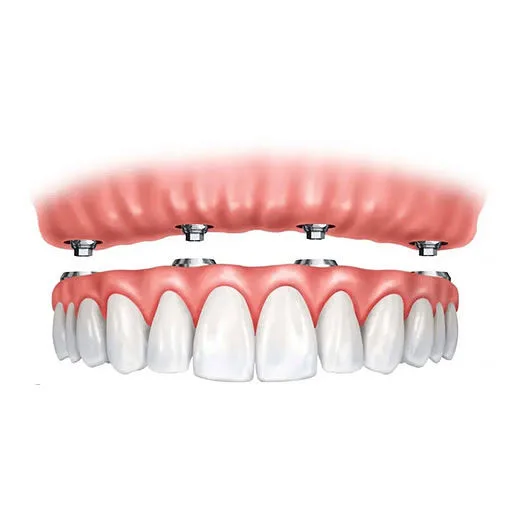
This treatment uses dental implants as a foundation for replacement teeth. Implants are small posts, usually made from titanium, which are placed into the jawbone to support crowns or bridges. For patients who need a complete arch restored, several implants may support a fixed bridge that replaces multiple missing teeth.
The main advantage is the possibility of receiving a temporary set of fixed teeth soon after implant placement. Rather than waiting without replacement teeth, eligible patients may leave with a restored appearance on the day of surgery. However, the final permanent teeth are usually fitted after the implants have had time to heal and integrate with the jawbone.
Who May Benefit from Same Day Teeth?
People with multiple missing teeth, severely damaged teeth or failing existing dental work may wish to explore this approach. It can be particularly relevant for those who want a fixed alternative to removable dentures.
However, not everyone is suitable for immediate tooth replacement. Your dentist will need to assess your gum health, jawbone density, general health and the stability of the implants. Smoking, uncontrolled medical conditions and active gum disease may affect treatment planning or healing.
A detailed consultation helps determine whether this option is appropriate or whether a different implant approach would provide a more predictable result.
How Same Day Dental Implants Work
The process begins with an assessment rather than surgery straight away. Your dentist examines your teeth and gums, discusses your concerns and uses appropriate imaging to understand your jawbone structure. Digital scans and other diagnostic tools can help plan implant positions and the design of your replacement teeth.
During treatment, any necessary extractions are carried out according to the agreed plan, and implants are placed into suitable areas of the jaw. If the implants have enough initial stability and your clinical circumstances allow it, a temporary fixed bridge may be attached on the same day.
Although the visible result can be immediate, healing continues underneath the replacement teeth. Following your dentist's instructions about diet, cleaning and follow-up visits is essential while the implants integrate with the bone.
Understanding Full Mouth Teeth Replacement
When most or all teeth in an upper or lower jaw are missing, full mouth teeth replacement may help restore everyday functions such as chewing and speaking. Instead of replacing every tooth with an individual implant, a dentist may use strategically positioned implants to support a full arch of replacement teeth.
The number of implants required depends on your anatomy, bone quality, bite and treatment goals. Some patients may be suitable for an immediate fixed restoration, while others need additional preparation or a staged approach.
The aim is to create replacement teeth that complement your facial features and provide a comfortable, balanced bite. Your dentist will explain the available options, expected outcomes and limitations before treatment begins.
Are Immediate Dental Implants Always Possible?
Immediate dental implants involve placing an implant and, in selected cases, attaching a temporary tooth or bridge soon afterwards. However, placing an implant immediately does not automatically mean that a permanent replacement tooth can be fitted on the same day.
Successful treatment depends on factors such as implant stability, the condition of the surrounding tissues and the amount of available bone. In some cases, bone grafting or treatment for gum disease may be needed before implants can be placed.
Your dentist will recommend an appropriate timeline based on your individual circumstances rather than promising a particular result before the assessment.
What Are the Benefits of This Treatment?
One potential benefit is a shorter period without fixed replacement teeth. For suitable patients, this can make the transition from missing teeth to a restored smile more convenient.
Implant-supported teeth can also provide greater stability than conventional removable dentures. They are designed to support everyday activities, including speaking and eating, while offering a natural-looking appearance when carefully planned.
Another advantage is the opportunity to plan the appearance of the replacement teeth around your facial proportions, bite and preferred smile shape. Nevertheless, results vary, and implants require consistent oral hygiene and regular dental reviews to remain healthy.
Recovery and Long-Term Care
Some swelling, tenderness or bruising may occur after implant surgery. Your dentist will provide instructions about pain relief, eating, cleaning and activities during the initial recovery period. A softer diet may be recommended while the implants heal, particularly when a temporary bridge is fitted.
Avoid putting excessive pressure on the new teeth until your dentist confirms that it is safe to do so. Brush carefully, clean around the restoration as instructed and attend all planned appointments.
Dental implants do not develop decay like natural teeth, but the surrounding gums can still become inflamed or infected. Regular professional care and effective daily cleaning are important for protecting your investment in your oral health.
Conclusion
Replacing missing teeth can make a meaningful difference to your comfort, confidence and ability to enjoy everyday activities. With careful planning, Teeth in a Day may offer suitable patients a way to receive fixed replacement teeth soon after implant placement, while allowing time for the implants to heal before the final restoration.
Sheffield Smiles offers dental implant and full-arch restoration options for patients considering ways to rebuild their smiles. A personalised assessment is the best starting point for understanding which approach suits your needs.
Call to Action: Ready to explore your options for a more complete smile? Contact Sheffield Smiles to arrange a consultation and discuss your dental concerns, treatment choices, expected timeline and costs. Take the first step towards a restoration designed around your oral health and individual goals.
Frequently Asked Questions
1. Can I get new teeth in a single day?
Some suitable patients can receive dental implants and a temporary fixed set of teeth on the same day. The final restoration usually follows after the healing period.
2. Are same day teeth suitable for everyone?
No. Your gum health, jawbone condition, general health and implant stability all influence suitability. A dental assessment is necessary before treatment can be recommended.
3. How long does it take for dental implants to heal?
Healing commonly takes several months, often around three to six months, although the timeline varies. Your dentist will monitor progress before fitting the final restoration.
4. Do implant-supported teeth look natural?
They can be designed to complement the shape, colour and proportions of your existing teeth and facial features. The final appearance depends on the treatment plan and individual circumstances.
5. How do I care for my replacement teeth?
Brush twice daily, clean around the implants and bridge as instructed, and attend regular dental and hygiene appointments. Your dentist may recommend specific cleaning tools for your restoration.