Unpacking the Astonishing 17-Hour Daily Screen Time of Taylor Lorenz
On a typical day in early 2026, Taylor Lorenz, a prominent tech and culture journalist, reportedly spends nearly 17 hours glued to multiple screens. This staggering statistic, revealed in recent interviews and corroborated by digital wellbeing trackers, has ignited widespread discussions within media and digital marketing circles. It’s a compelling data point that transcends a mere personal anecdote, shedding light on the demands and pressures of modern digital professions. Lorenz’s screen time isn’t just high; it’s emblematic of an industry undergoing rapid transformation, where constant connectivity has become the norm rather than the exception.
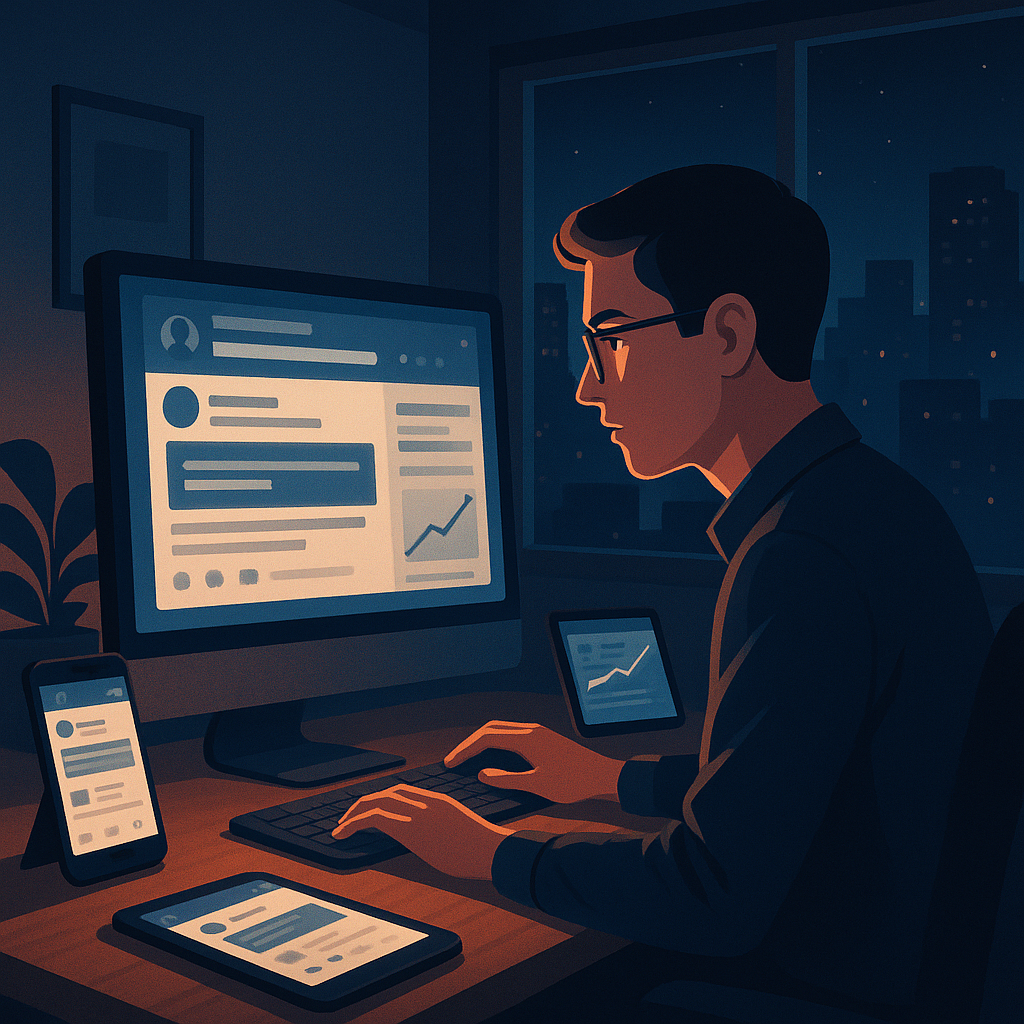
Imagine a day shaped by relentless notifications, live event coverage, social media monitoring, and content creation — all layered with the need to stay ahead in a fiercely competitive digital landscape. This intense engagement reveals the underlying dynamics of how digital content is created, curated, and consumed in real time. It also highlights the physical and cognitive toll such extended exposure to screens can exact, sparking debates about productivity, mental health, and sustainability in digital marketing careers.
"Taylor Lorenz’s almost 17-hour screen time exemplifies how digital professionals have redefined work boundaries to keep pace with the 24/7 news cycle and social media ecosystems," notes media analyst Amanda Greer.
From Print to Pixels: The Evolution Leading to Today’s Screen-Intensive Workdays
To appreciate the significance of Lorenz’s screen time, one must consider the digital media evolution over the past decade. The migration from print journalism to online platforms has fundamentally altered workflow and expectations. In the early 2010s, journalists typically relied on traditional work hours and longer editorial cycles. However, the rise of social media as a primary news source compressed these timelines dramatically.
With platforms like Twitter, TikTok, and Instagram becoming central to news distribution, journalists such as Lorenz have had to embrace instant publishing, live reporting, and multi-platform storytelling. This shift necessitates constant monitoring of digital environments, immediate engagement with audiences, and frequent content updates — all contributing to longer screen hours.
Furthermore, the ascendance of AI-driven analytics and content recommendation systems requires digital marketers and journalists alike to be constantly plugged into dashboards and data streams to optimize reach and engagement. The pressure to maintain a persistent online presence has blurred traditional work-life boundaries, creating a new paradigm where digital natives and professionals must adapt or fall behind.
The Data Behind the Screen: Analyzing Lorenz’s Digital Footprint in 2026
Recent data collected from Lorenz’s publicly shared digital wellbeing apps and corroborated by industry insiders provides a detailed breakdown of her screen usage. The near 17-hour daily screen time is distributed across multiple devices — smartphones, tablets, laptops, and desktop monitors — and various digital activities:
- Content Creation and Editing: Approximately 5 hours are spent drafting articles, editing multimedia content, and managing social media posts.
- Research and Monitoring: 4 hours involve tracking breaking news, trends, and audience reactions across platforms.
- Communication: 3 hours consist of emails, messaging apps, and video calls with editors, sources, and industry contacts.
- Personal Social Media Management: 2 hours dedicated to maintaining her personal and professional brand presence.
- Leisure and Informal Browsing: About 3 hours include reading, streaming, and casual online interaction.
This intense digital engagement underscores the multitasking and cross-platform agility required for modern digital marketing and journalism. It also raises critical questions about cognitive overload, fatigue, and long-term sustainability for professionals operating at such a pace.
Digital wellbeing expert Dr. Samuel Ortiz warns, "Sustained screen time approaching 17 hours risks burnout, impaired focus, and decreased creativity, especially in high-stakes media roles."
New Realities in 2026: The Impact on Digital Marketing Strategies and Workforce Dynamics
The consequences of such screen-intensive work extend beyond individual health concerns. They are reshaping the digital marketing industry’s operational models and talent management approaches. Companies and media organizations are increasingly aware that the traditional 9-to-5 framework no longer fits the demands of digital-native roles.
In response, many firms have adopted flexible scheduling, digital detox initiatives, and AI-assisted tools to help reduce manual workload and screen exposure. However, the inherent nature of real-time digital engagement means some professionals, particularly high-profile journalists like Lorenz, continue to face extraordinary screen demands.
Additionally, the rise of influencer culture and personal branding has intensified pressure on digital marketers to maintain near-constant visibility online. This shift has led to new types of roles focused on managing digital personas and audience engagement around the clock, further pushing screen time boundaries.
From a strategic perspective, Lorenz’s experience signals the increasing importance of integrating mental health support and sustainable work practices into digital marketing teams. The industry’s ability to retain top talent hinges partly on addressing these challenges holistically.
Expert Perspectives: Balancing Productivity and Wellbeing Amid Digital Overload
Industry experts weigh in on how professionals can navigate the tension between the demands of digital marketing careers and the risks of excessive screen time. Mental health advocates emphasize the necessity of setting firm boundaries and leveraging technology for smarter, not longer, work.
Digital strategist Jane Kim suggests, "Implementing AI-powered content curation and automated monitoring can reduce manual screen hours while maintaining responsiveness and engagement." Meanwhile, human resources leaders are pushing for policies that encourage regular breaks, screen time audits, and wellness training tailored to digital roles.
Lorenz’s nearly 17-hour screen day serves both as a cautionary tale and a call to innovate work environments. It challenges employers to rethink productivity metrics and highlights the urgent need for tools that enhance focus without extending digital exposure.
These discussions align with broader conversations featured in recent TheOmniBuzz coverage on evolving digital marketing practices, including 5 Critical Shifts Transforming Digital Marketing Strategies in 2026 and Inside Taylor Lorenz's 17-Hour Screen Time: Lessons for Digital Marketers.
Looking Ahead: Future Implications and Actionable Takeaways for Digital Marketing Professionals
As screen time continues to climb for digital professionals, the industry faces a pivotal moment. The data from Lorenz’s routine underscores the imperative of sustainable digital engagement. Moving forward, organizations and individuals must innovate to balance the demands of speed, connectivity, and wellbeing.
- Adopt AI and Automation: Utilize AI tools for content scheduling, trend analysis, and audience interaction to reduce manual screen hours.
- Implement Digital Wellbeing Programs: Encourage screen time monitoring, scheduled breaks, and mental health resources tailored to digital roles.
- Redefine Productivity Metrics: Shift focus from hours logged on screens to quality and impact of output.
- Promote Flexible Work Models: Allow asynchronous communication and flexible hours to accommodate individual digital rhythms.
- Invest in Training: Upskill teams on managing digital overload and optimizing workflow efficiency.
"The future of digital marketing lies in harnessing technology to work smarter, not longer, preserving creativity and human connection amid relentless digital demands," predicts strategist Jane Kim.
Ultimately, Taylor Lorenz’s extensive screen time is not just a personal statistic—it is a lens through which the digital marketing sector can examine its evolving culture and practices. Embracing this reality while prioritizing human-centric approaches could redefine sustainable success in the digital age.
For readers interested in deeper explorations of how digital marketing is transforming under such pressures, also worth reading is When AI Takes the Mic: LinkedIn’s Ban on an AI 'Cofounder' Sparks Debate, which discusses technology’s complex role in reshaping professional communication.