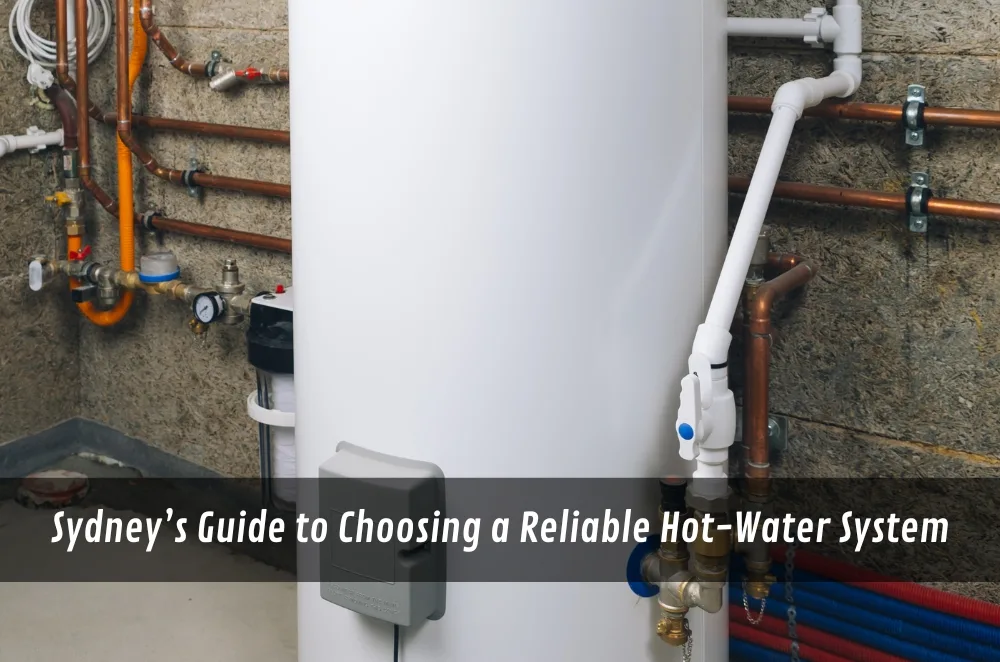
Nothing disrupts a Sydney household faster than a lukewarm shower on a cold morning or a tap that never quite heats up. With energy prices fluctuating and environmental targets tightening, selecting — and correctly maintaining — the best hot-water system for your property has never been more important. Below, we break down the main fuel types, explore cost and efficiency factors, share practical upkeep tips, and highlight when calling in a professional is the safest move.
Why Gas Remains a Favourite in Harbour City Homes
Gas hot-water units remain a staple across Sydney for a few simple reasons: rapid heat-up times, consistent flow rates, and lower running costs for many households compared to off-peak electric tariffs. For properties already connected to natural gas, installation can be straightforward, and modern condensing units are more efficient than their predecessors.
If you’re weighing up suppliers, look for plumbers who provide trusted gas hot water solutions that include licensed installation, routine servicing, and transparent advice on system size. A properly sized unit not only avoids unnecessary energy use but also prevents that afternoon “cold shower surprise” when the tank empties too early.
Comparing Fuel Types: Gas, Electric, Solar and Heat Pump
While gas is popular, it’s not the only contender. Each fuel source has distinct advantages and trade-offs.
- Gas
• Fast recovery: ideal for larger families or commercial kitchens.
• High water pressure: continuous-flow models never “run out”.
• Emissions: lower than standard electric, yet higher than renewables.
- Electric (Storage or Instant)
• Lower upfront cost, easy to install in most dwellings.
• Can be paired with rooftop solar panels via timer controls.
• May attract higher running costs, especially on peak tariffs.
- Solar Thermal
• Significant long-term savings once installed.
• Government rebates available in NSW from time to time.
• Backup booster (gas or electric) needed for cloudy stretches.
- Heat Pump
• Extracts heat from ambient air, using roughly one-third the energy of standard electric.
• Performs best in temperate climates; efficiency dips in very cold weather.
• Slight compressor noise means location matters.
Balancing upfront price, available roof space, household size and daily water usage will usually narrow the field quickly. For example, an inner-city terrace with limited external space may find a wall-mounted continuous gas system more practical than roof-mounted solar collectors.
Running Costs and Energy Ratings: Reading the Fine Print
EnergyGuide labels give an indicative annual cost based on national averages, but Sydney’s pricing tiers can differ. Always:
• Compare daily supply charges as well as cents per megajoule/kilowatt-hour.
• Check the Energy Rating website (energyrating.gov.au) for updated efficiency data.
• Factor in maintenance — a slightly pricier unit with stainless-steel tank may outlast a cheaper mild-steel variant by years.
Routine servicing every two to three years helps maintain efficiency. Sacrificial anodes in storage tanks, for instance, corrode by design to protect the tank lining; replacing them on schedule can double the life of the system.
Practical Maintenance Tips Every Property Owner Should Know
- Test the temperature-pressure relief (TPR) valve every six months. A simple lift and release should discharge hot water momentarily; if not, call a licensed plumber.
- Flush sediment from the base of storage tanks annually to prevent energy-sapping mineral build-up.
- Keep the area around gas burners or heat-pump compressors clear of clutter to maintain airflow.
- If you notice rusty water, popping noises, or wet patches near the unit, book an inspection promptly — small leaks can escalate into costly replacements.
Warning Signs Your Hot-Water System Is Nearing the End
Hot-water systems rarely fail without giving a few hints:
• Water temperature fluctuates or drops suddenly.
• Pilot light keeps extinguishing (for gas models).
• Visible corrosion, swelling, or scorch marks on the tank body.
• Energy bills creep up despite stable usage patterns.
Most storage tanks last 8–12 years; continuous-flow units can exceed 15 with proper care. If your unit is pushing these milestones, create a replacement budget now rather than later.
When to Call a Professional — and What to Expect
While homeowners can flush tanks or adjust thermostats, any work on gas lines, electrical connections or refrigerant loops legally requires a licensed tradesperson in NSW. A qualified plumber will:
• Assess household water demand to recommend the correct system capacity.
• Handle all compliance certificates and lodge mandatory notifications.
• Remove and recycle the old unit responsibly.
• Offer a workmanship guarantee in addition to manufacturer warranties.
Request itemised quotes that outline labour, parts, disposal fees and any potential upgrades (e.g., tempering valves now required on most new installations for scald protection).
Final Thoughts
A dependable hot-water system is one of those “set and forget” comforts — until it stops working. Taking time to compare gas, electric, solar and heat-pump options against your property’s layout, usage patterns and long-term budget can save both money and headaches. Combine that with basic DIY upkeep and timely professional servicing, and you’ll keep the hot showers flowing through countless Sydney seasons.
FAQs
How long should a gas hot-water system last?
With regular servicing and water quality within guidelines, a modern gas storage tank can last around 10 years, while continuous-flow gas units may exceed 15 years.
Are solar hot-water systems worth it in Sydney’s climate?
Yes, Sydney’s high sunshine hours make solar thermal systems attractive, though a gas or electric booster is still required for overcast periods.
Can I replace an electric unit with gas in an apartment?
It depends on building gas supply, venting options and strata by-laws. Engage a licensed plumber early to review feasibility and required approvals.