
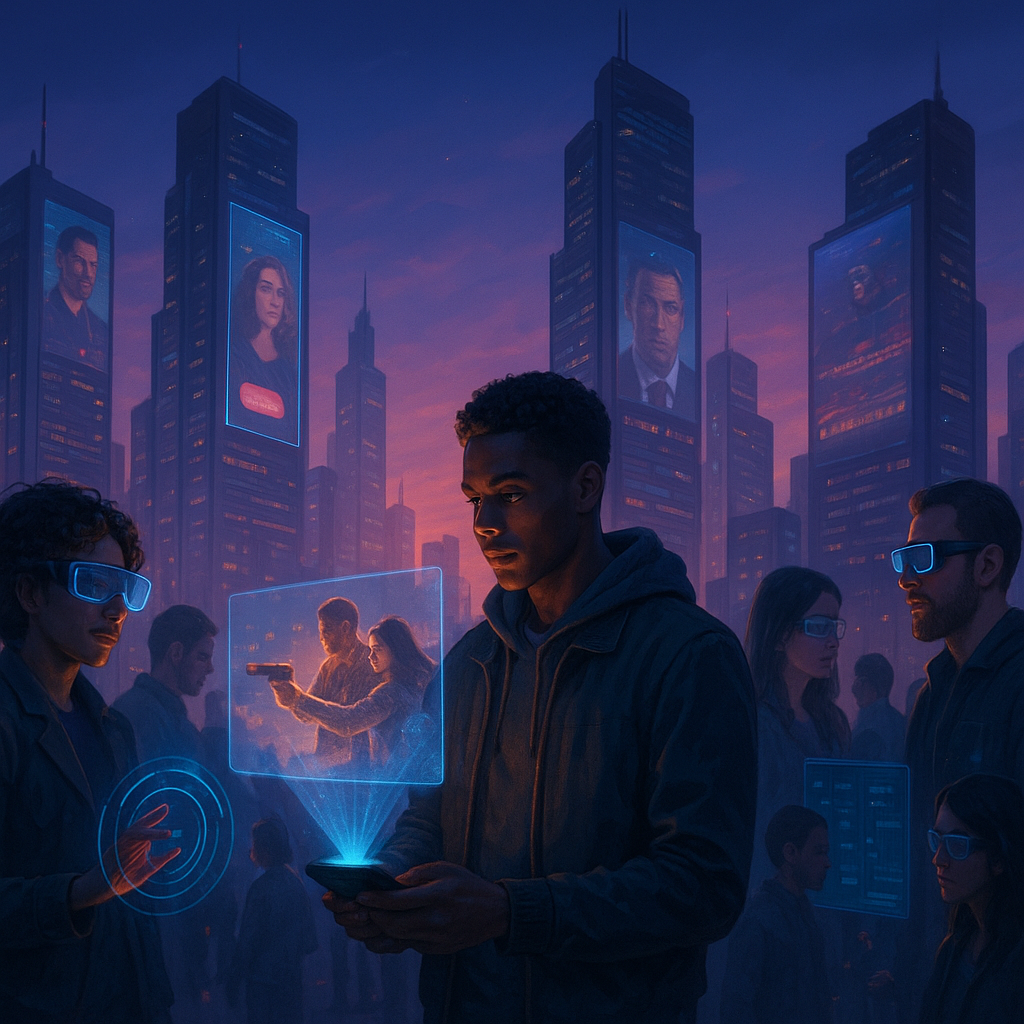
Streaming’s New Dawn: A Glimpse into 2026’s Entertainment Landscape
In the summer of 2026, the global streaming ecosystem has morphed into a far more intricate, immersive, and personalized experience than ever before. Consider this: recent industry reports estimate that global streaming revenue surpassed $270 billion in the first half of 2026 alone, a staggering 15% increase compared to the same period in 2025. This surge is not just about more subscribers; it reflects profound shifts in content creation, delivery, and consumption. Walking into a typical living room today, one might encounter a family engaged in a multi-device, multi-platform viewing setup, seamlessly switching between interactive narratives, live events, and hyper-personalized recommendations. Such scenes underscore how streaming has evolved from a passive pastime into an active, social, and highly curated entertainment form.
This transformation is anchored in technological breakthroughs, consumer behavior shifts, and strategic industry adaptations. From AI-driven content production to the rise of decentralized streaming platforms, 2026 marks a pivotal year where streaming is no longer just about watching shows but about experiencing stories in dynamic new ways. As we explore these trends, it becomes clear that streaming is redefining what entertainment means for millions worldwide.
Tracing the Roots: How Streaming Evolved to This Point
The streaming revolution, which began in earnest in the early 2010s with pioneers like Netflix and Hulu, has undergone multiple transformative phases over the past decade and a half. Initially characterized by the shift from traditional cable to on-demand digital libraries, the early 2020s introduced aggressive content investments and platform proliferation. By 2023, streaming services worldwide had collectively surpassed 1.5 billion paid subscriptions, according to industry estimates. However, the market soon confronted saturation, prompting providers to innovate beyond mere content volume.
Several key developments paved the way for 2026's streaming landscape:
- Personalized AI-Driven Recommendations: Early AI algorithms evolved into sophisticated content curation engines, enabling ultra-targeted personalization that anticipates viewer moods, contexts, and preferences.
- Interactive and Immersive Formats: The emergence of interactive storytelling and mixed reality experiences blurred the lines between viewer and participant, fostering engagement beyond passive consumption.
- Global Localization Strategies: Streaming giants aggressively pursued native content production, employing local talent and culturally attuned narratives to capture diverse international audiences.
- Decentralization and Blockchain: New decentralized streaming models began challenging traditional gatekeepers by empowering creators and consumers through transparent royalty distribution and ownership rights.
- Multi-Platform Convergence: The integration of streaming with social media, gaming, and live events created hybrid entertainment ecosystems catering to cross-platform consumption habits.
These milestones, coupled with advances in 5G and edge computing, laid the foundation for the complex, user-centric streaming environment we see today.
Data-Driven Trends Defining Streaming’s 2026 Core
Analyzing the quantitative shifts this year reveals the scale and scope of streaming’s metamorphosis. According to a recent market intelligence report, the following trends dominate:
- Subscription Fatigue Eases with Hybrid Models: After years of consumer pushback on multiple subscriptions, 2026 sees a rise in hybrid subscription-advertising video on demand (SVOD-AVOD) models. Approximately 42% of users now prefer streaming services that offer flexible plans balancing ad-supported free tiers with premium ad-free experiences.
- Short-Form Streaming Surges: Platforms specializing in short-form content (under 10 minutes) have experienced 65% user growth since 2024, driven by Gen Z and millennial audiences craving quick, snackable entertainment.
- AI-Generated Content Gains Traction: Reports estimate that over 18% of original streaming content in 2026 incorporates AI-assisted scriptwriting, casting, or post-production, accelerating content pipelines and reducing costs.
- Interactive and Social Viewing Experiences Expand: More than 60% of streaming subscribers engage with interactive elements such as polls, branching narratives, and live chats during streams, reflecting a shift towards communal consumption.
- Global Reach Intensifies: Asia-Pacific and Latin America now account for 54% of new streaming subscribers worldwide, pushing platforms to invest heavily in localized content and regional partnerships.
“The streaming industry has transitioned from a content arms race to a technology and experience arms race,” explains Dr. Elaine Moreno, a digital media analyst. “In 2026, the battle is won through personalization, interactivity, and global cultural resonance.”
Contrasting this with the early 2020s, where content volume dominated, today’s metrics prioritize engagement depth, conversion to paid tiers, and retention fueled by tailored user journeys.
2026’s Streaming Innovations and Market Shifts
This year, innovation is no longer a luxury but a survival imperative. Key developments include:
- AI-Powered Content Creation and Curation: Major platforms now employ AI not only for viewer recommendations but also to generate entire pilot episodes, optimize editing workflows, and customize story arcs based on regional preferences. Netflix, Amazon Prime Video, and Disney+ have all launched AI-driven content labs, signaling a new paradigm in production efficiency.
- Decentralized Streaming Networks: Blockchain-based platforms like StreamChain and decentralized protocols enable creators to monetize directly without intermediaries. This model has attracted a significant independent creator base, contributing 12% of new streaming content in 2026. Industry insiders suggest these platforms are reshaping copyright and royalty frameworks.
- Immersive Technologies Integration: Virtual reality (VR) and augmented reality (AR) streaming are gaining footholds, particularly in live sports, concerts, and experiential storytelling. The adoption of lightweight, affordable VR headsets paired with 8K streaming resolution allows consumers to enter virtual venues and interact with content in real time.
- Enhanced Social and Co-Viewing Features: Platforms have integrated social media-style interactions, watch parties, and influencer partnerships directly into their apps. Twitch-style live chats and co-viewing rooms have become standard, further blurring the line between streaming and social networking.
- Sustainability and Energy Efficiency: With increasing environmental concerns, streaming companies are investing in green cloud infrastructure and energy-efficient codecs. This environmental focus is becoming a competitive differentiator among eco-conscious consumers.
“Decentralization offers a democratized future for streaming, empowering creators and engaging viewers in new, transparent ways,” says Ravi Patel, CTO of StreamChain. “2026 is the year this shift gains critical mass.”
These innovations are not isolated; their interplay is creating a streaming ecosystem that is technologically advanced, culturally nuanced, and highly adaptive.
Voices from the Industry: Expert Insight and Impact Assessment
The perspectives of industry leaders provide valuable context for these trends. Susan Kim, Chief Content Officer at a leading global streaming service, emphasizes the strategic importance of AI and localization: “Our investment in AI-enabled content customization and regional storytelling has doubled our retention rates in key markets. The future is hyper-personalized global content.”
Meanwhile, independent creators leveraging decentralized platforms highlight newfound creative freedoms and revenue transparency, often citing improved audience engagement compared to traditional streaming gatekeepers. For example, filmmaker Anika Joshi recently funded a documentary entirely through decentralized royalties, reaching niche audiences directly without intermediaries.
From a consumer standpoint, surveys indicate that viewers prioritize platforms offering interactive elements, social connectivity, and flexible pricing. These preferences have pressured legacy services to evolve or risk obsolescence.
The impact extends beyond entertainment. Streaming’s technological advancements have influenced broader media production, advertising, and even education sectors. According to industry think tanks, the streaming sector’s push for immersive educational content and real-time interaction is beginning to transform e-learning platforms.
For a deeper dive into streaming's evolving storytelling techniques, TheOmniBuzz’s exploration of AI and global audiences offers extensive insight. Additionally, the article on streaming’s silent revolution outlines foundational shifts that set the stage for today’s innovations.
What Lies Ahead: Navigating Streaming’s Future Terrain
Looking forward, several trends warrant close attention as streaming continues to evolve:
- Expansion of AI-Driven Personalization: Anticipate even deeper AI integration, including mood-sensing algorithms and dynamic content adaptation in real time.
- Growth of Decentralized Models: As blockchain adoption matures, decentralized streaming may begin to challenge incumbents on a larger scale, particularly in niche and indie content sectors.
- Immersive and Multisensory Experiences: Beyond VR and AR, emerging technologies such as haptic feedback and olfactory streaming could redefine user engagement.
- Regulatory Developments: Increasing scrutiny around data privacy, intellectual property, and platform accountability may shape streaming business models and content standards.
- Sustainability Commitments: Environmental considerations will likely become embedded in streaming infrastructure and corporate responsibility initiatives.
For consumers and industry alike, these directions suggest a future that is not only more technologically advanced but also more participatory and ethically conscious.
In conclusion, 2026 stands as a watershed year marking the shift from streaming as a medium of convenience to a holistic entertainment ecosystem. With AI, decentralization, immersive tech, and enhanced social features converging, streaming is poised to offer experiences that are richer, more inclusive, and more dynamic than ever before. Stakeholders who understand these trends and adapt swiftly will define the entertainment of tomorrow.
For those interested in maximizing their streaming experience today, TheOmniBuzz’s pro tips guide remains an invaluable resource.