Commercial properties in Desert Shores experience extreme desert heat, making roof insulation necessary to control utility costs. Installing spray foam insulation for commercial buildings in Desert Shores, Las Vegas provides an immediate, joint-free thermal barrier that lowers indoor temperatures and reduces AC wear.
This durable material seals all cracks and gaps upon application, preventing hot air infiltration and protecting structural integrity. This article details how this technology addresses the specific climate challenges of southern Nevada to protect your commercial real estate investments.
Experienced roofing professionals understand how intense solar radiation degrades building materials in desert climates. Choosing high-performance polyurethane foam ensures long-term thermal resistance and reliable structural support under the desert sun.
Why Desert Commercial Properties Need Thermal Barriers
Desert Shores sits in a valley that experiences summer temperatures exceeding 110 degrees Fahrenheit. Without high-quality commercial roof insulation, heat quickly transfers through the roof deck into your workspace below. This extreme thermal pressure forces commercial air conditioning units to run constantly, raising your monthly energy bills.
Using a continuous protective layer blocks this heat transfer and keeps your cooling systems operating efficiently. The intense solar radiation in southern Nevada also causes traditional roofing materials to expand and contract, which leads to early material fatigue.
Applying an advanced foam barrier solves this issue by shielding the roof deck from extreme thermal shifts. Local properties that invest in spray foam roofing insulation for commercial buildings in Desert Shores, Las Vegas, NV, experience several direct benefits from this thermal defense:
- It lowers overall cooling energy consumption during the peak summer months.
- It extends the functional life of expensive commercial HVAC machinery.
- It prevents thermal shock, which causes cracks in traditional roofing membranes.
- It creates a comfortable, productive environment for workers and clients.
Commercial buildings in the Mojave Desert typically spend more than 45% of their total energy budgets solely on cooling. Minimizing the thermal load from the top of the building is the most direct way to lower these operational expenses.
Excessive ambient heat also places a continuous burden on your interior ventilation ducts. When roof temperatures soar, your indoor air delivery systems must work twice as hard to maintain target temperatures.
Bonus Tip: Keep all rooftop drainage systems clear before applying foam so that the finished product maintains proper slope-to-drain paths.
4 Main Advantages of Polyurethane Roof Coatings
Upgrading your property with spray foam roofing insulation for commercial buildings in Desert Shores, Las Vegas, NV, offers several physical and financial advantages over older roofing styles. These benefits help your business remain profitable by reducing maintenance requirements and protecting physical assets.
1. Lower Energy Bills
A primary benefit of choosing energy-efficient roofing insulation is the immediate reduction in energy bills. Polyurethane foam delivers an R-value of roughly 6.5 per inch of thickness, which is higher than most traditional materials. This high resistance rating means less heat gets through, allowing your cooling system to cycle less often.
- This high thermal resistance performance remains stable for decades.
- The foam structure stops both conductive and convective heat transfer.
- Lower power demands can help your business qualify for local utility rebates.
2. Waterproof Monolithic Seal
Modern spray foam roofing systems are applied as a liquid that expands into a solid, unbroken layer across your entire roof. This application method removes seams, which are the primary failure point for traditional roofs. It seals around vents, pipes, and parapet walls to prevent water leaks.
- It eliminates seams where water typically enters the building.
- The material self-flashes around complex rooftop equipment and pipes.
- It offers reliable defense against sudden, heavy desert downpours.
3. Long Lifespan with Simple Maintenance
A polyurethane foam roof can last for several decades if it is recoated with an elastomeric protective layer every 10 to 15 years. This simple maintenance process removes the need for expensive, disruptive tear-offs. It makes the installation highly cost-effective over its entire life.
- You avoid the massive waste and disposal fees of a full roof replacement.
- Simple recoating restores the original UV protection and water defense.
- Regular inspections easily identify minor physical damage before it spreads.
4. Reduced Load on Coolers
By blocking the sun's intense heat, the foam keeps the plenum space above your ceilings cooler. This cooling effect allows your rooftop AC units to pull in cooler air, which reduces wear on compressors. Your equipment lasts longer and needs fewer repairs over time.
- It decreases the frequency of emergency AC repairs during hot summer weeks.
- Smaller HVAC units can successfully cool the building during replacements.
- It reduces the ambient heat around rooftop condenser units.
Bonus Tip: Choose a bright white silicone topcoat to reflect up to 85% of solar radiation away from your building.
Technical Performance of Foam Roofing in Extreme Heat
Evaluating the performance metrics of different materials helps you make a logical, data-backed choice for your property. Polyurethane foam delivers exceptional durability in desert climates, combining advanced thermal protection with structural reinforcement.
Comparing these structural specifications reveals how polyurethane outperforms alternatives. It delivers high-strength insulation under extreme thermal loads while remaining remarkably lightweight.
For high-heat areas like Desert Shores, selecting custom industrial insulation solutions ensures that your roof can withstand daily exposure to intense ultraviolet light. Standard materials often dry out, crack, and lose their insulation properties under these conditions. Polyurethane foam remains stable and keeps its R-value over time.
Performance MetricPolyurethane Spray FoamTraditional Single-Ply (TPO)Built-Up Asphalt RoofingR-Value per Inch6.2 to 6.81.1 to 1.51.0 to 1.2Seams or JointsNone (Fully Monolithic)Yes (Welded or Taped Seams)Yes (Overlapping Plies)Average Solar Reflectivity80% to 85%70% to 80%10% to 25%Wind Uplift ResistanceHigh (Adheres Directly)Moderate (Mechanical Fasteners)Moderate (Weighted Ballast)Expected Lifespan30 to 50 Years (With Recoats)15 to 20 Years10 to 15 Years
- This structural foam adds minor weight to your building while increasing wind resistance.
- The closed-cell structure does not absorb water even if the top protective coat gets damaged.
- Direct adhesion to the deck prevents wind from getting underneath and lifting the roof.
How Does Spray Foam Compare to Traditional Roof Insulation
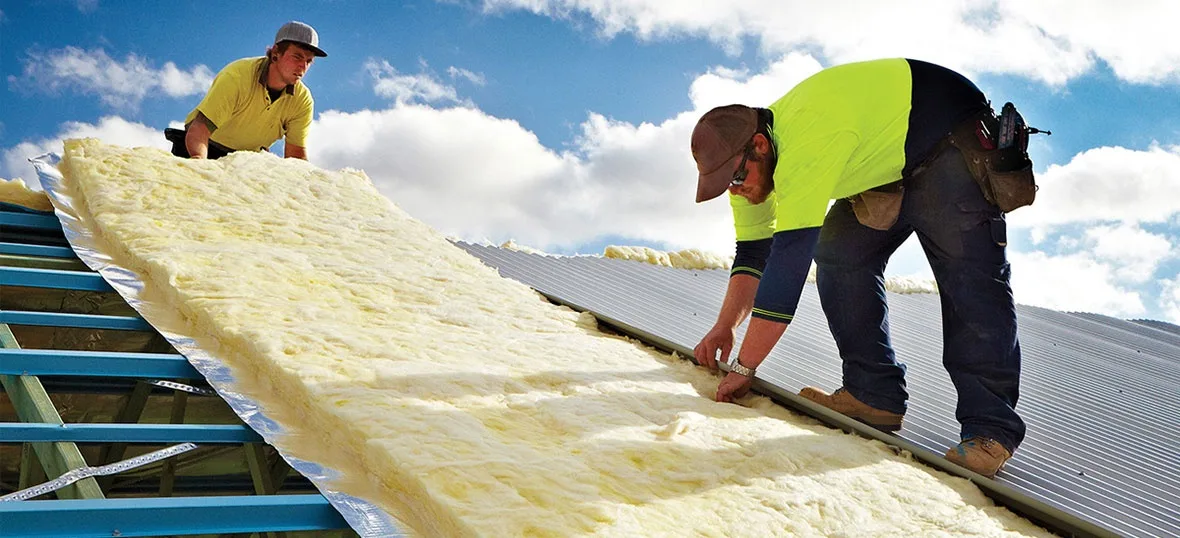
Traditional commercial roofs use rigid foam boards that installers must cut and mechanically fasten to the deck. This installation method creates thousands of tiny gaps and fastener holes that let heat pass through and offer paths for water. In contrast, spray foam roofing insulation for commercial buildings in Desert Shores, Las Vegas, NV, is sprayed on as a liquid, expanding to fill every single space.
This complete coverage provides superior building protection against both the summer heat and the wind-driven rains of the monsoon season. It forms an airtight seal that stops conditioned air from escaping through the roof deck. Traditional assemblies struggle to match this airtight performance without costly extra membranes.
Traditional sheets require overlapping layers that expand at different rates under the desert sun. Over time, these seams pull apart, allowing water and hot air to enter the building.
Consider these operational differences when comparing these options:
- Foam conforms directly to irregular shapes, curved structures, and parapet walls.
- It requires no metal fasteners, which act as thermal bridges that conduct heat inside.
- The installation process is much faster and causes less disruption to daily business.
- It generates zero construction waste during application because there are no boards to cut.
Things to Consider Before Hiring Insulation Contractors
Investing in spray foam roofing insulation for commercial buildings in Desert Shores, Las Vegas, NV requires careful preparation to ensure a successful, long-lasting installation. Working with experienced, licensed insulation contractors who understand local wind patterns and heat levels is the best way to secure your investment. You must verify their experience with commercial spray systems before signing any agreement.
The application process is highly sensitive to wind speeds and moisture levels, which requires skilled technicians for a proper install. If applied during high winds, the spray can drift onto nearby vehicles or properties. This makes experienced, professional execution essential for a smooth installation.
Safety is another important factor when planning your project. Licensed crews use protective equipment and schedule work during off-peak hours to minimize impact on your daily operations.
Keep these factors in mind when preparing for your commercial project:
- Check that the contractor holds active licenses and specialized certifications for polyurethane application.
- Ask for references from other commercial property owners in the Las Vegas valley.
- Confirm that they monitor local weather closely to avoid high winds and morning moisture.
- Review the warranty terms to ensure both labor and materials are fully covered.
Bonus Tip: Schedule your roofing project during the spring or fall when moderate temperatures and low wind speeds create the most stable conditions for foam application.
Choosing the Best Path for Your Business Roof
Protecting your commercial property in Desert Shores from extreme Nevada heat requires a smart, durable insulation plan. Installing polyurethane foam provides a long-term solution that lowers energy bills, stops water leaks, and reduces strain on your cooling systems. This upgrade protects your real estate and lowers your monthly operational expenses for decades.
Take the time to assess your current energy bills, roof condition, and long-term financial goals. Choosing a durable, low-maintenance protective layer is an excellent way to secure your building against the harsh desert climate.
Reach Out to Our Local Specialists for a Free Installation Quote
If you want to protect your property and cut down on high summer cooling costs, consider working with a reliable local service provider. The experienced team at Supreme Spray Foam LV specializes in high-performance commercial insulation. You can contact them directly by calling (702) 904-9895 or by sending an email to [email protected] to receive a free detailed quote.
Common Questions About Commercial Foam Roofs in Nevada
How long does a commercial spray foam roof last?
With proper maintenance and recoating every 10 to 15 years, a foam roof can easily last between 30 and 50 years. The underlying polyurethane foam does not degrade if it is protected from direct ultraviolet light by a high-quality topcoat.
Can you apply spray foam over an existing commercial roof?
Yes, you can often apply spray foam directly over existing built-up, concrete, or single-ply roofs if the structure is sound and dry. This saves you money on tear-off costs and keeps old roofing materials out of local landfills.
How does wind affect the installation of spray foam roofing?
High winds can cause overspray to drift onto nearby structures and cars, and can also make the foam application uneven. Professional installers use windscreens and monitor local wind speeds closely to ensure safe, even application.
Is a polyurethane foam roof durable enough to walk on?
Yes, cured closed-cell spray foam is highly durable and easily supports normal foot traffic for maintenance workers and HVAC technicians. It has a high compressive strength that resists punctures and physical impacts from small debris.
How much money can a business save on energy bills with spray foam?
Most commercial properties see a 15% to 35% reduction in their monthly cooling costs after installing high-performance foam insulation. The exact savings depend on your building's design, current insulation levels, and HVAC usage.