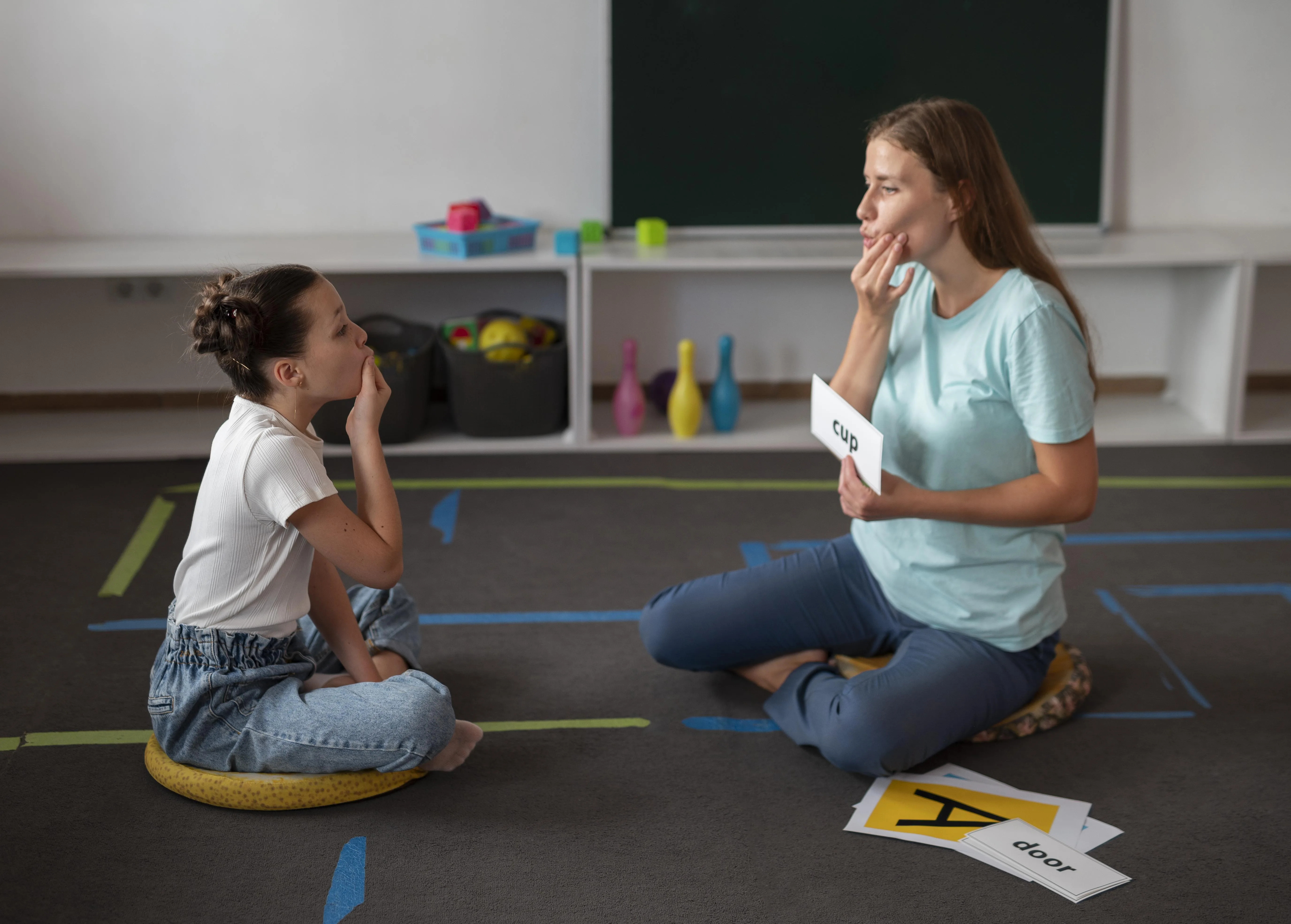
Language recovery doesn’t always happen in predictable ways. When someone has experienced a stroke, brain injury or neurological condition, their ability to communicate may have changed in ways you can’t easily see. We often think of speech as a single skill – that communication is a single ability - but language has two sides. There’s speaking, and there’s understanding. Both work together to create a conversation. This is why speech therapy in Stratford, Monument, Hackney or elsewhere in London targets both speaking and understanding skills.
The two sides of communication
Speaking and understanding go hand in hand throughout our day-to-day lives. Conversations flow without noticing how fast we go from hearing something to forming a response. Speaking versus understanding uses different parts of our brain and body. When we talk, we must think about what we want to say, how to say it, and physically coordinate our speech. Listening involves receiving information and processing what we hear to understand the meaning. Depending on the location and severity of your neurological event, these two sides can look very different from one another. With the support of speech therapy online, individuals can improve both communication and comprehension skills from the comfort of home.
If speaking is your main concern
You know what you want to say, but having it come out correctly is difficult. You might speak slowly and struggle to find words or form complete sentences. Sometimes you may even say the wrong word or substitute it for another. The words are in your head; you just can’t access them the way you want to. You may feel incredibly frustrated, which causes you to avoid speaking up in conversations, especially when put on the spot.
If understanding is your main concern
Language comprehension is a struggle that many people are unaware of. You might hear what someone is saying but have difficulty processing the words. Instructions may not be heard or understood, and responses may not align with the topic being discussed. In group conversations or fast-paced environments, you may find yourself constantly lost. Since your speech may still sound clear to others, they may not understand when you have difficulty processing language. People often assume you weren’t listening or speaking, rather than that you have trouble understanding.
Recovering both halves of language
Treating only one half of your communication will leave you with an incomplete recovery. Yes, you may be able to speak, but what good is that if you cannot understand what others are saying around you? Think of how one-sided those conversations will be. Alternatively, you may understand everything but struggle to keep up in conversations because you can’t express yourself. Improvements can begin to happen in both of these areas by having therapy address both sides of language.
How do we rebuild language?
Our brains have an amazing ability to repair themselves after injury. They can create new networks to allow us to regain function over time. This happens through regular and meaningful use of our communication. Stuttering a few words over and over again will not help you recover. Practising functional conversations, working on your morning routines, or repeating your favourite stories are ways we can begin to rebuild. Small changes might seem insignificant, but you will begin to notice them adding up as you go about your day. Language recovery may be slow, but every little improvement makes a difference.
Every day conversations can remedy language skills
You don’t need expensive gadgets or technology to aid someone in their recovery. One of the best ways you can help someone is by communicating with them. Speaking clearly and at a slightly slower rate can give your loved one time to process what is being said and formulate a reply. You can also provide context through gestures, body language, and your environment. Conversation doesn’t have to come to a standstill when talking to someone with a language barrier. As long as you are providing them with the opportunity to speak, you’re talking at the right level. Simply allow them time to answer.
Language affects more than just our words
Our communication skills play a huge role in how we interact with others and the world around us. Whether you’re able to speak or understand everything you want to, it can impact your daily life. From feeling frustrated or alone to losing confidence, these changes can take a toll on you. Recovery looks different for everyone, and it can take time to see results. The important thing is that you continue communicating and reconnect with your life.
Speech does not equal language recovery. One will not improve without the other until both sides are addressed. Treating both speaking and understanding allows your communication to begin functioning properly again. It becomes balanced and usable rather than just working on one half. Looking at the big picture shows that there are many ways to reconnect with those around you. That’s why speech therapy in Monument and elsewhere takes into consideration both sides of your communication. Everyone improves at their own pace, but with time and patience, they can rebuild their confidence.