Malaysia gets plenty of sunshine, so heating water with solar energy is an obvious idea. Whether it suits your home depends on your roof, your hot water habits and the system you choose. This guide explains how solar water heaters work and what to check before buying.
How a solar water heater works
A solar water heater uses collectors on the roof to capture energy from the sun. That energy heats water or a fluid that passes through the collectors, and the heat is stored in a tank so you can use it later.
The tank matters as much as the collectors. Hot water is rarely used at the moment it is made, so storage lets you shower in the evening or the next morning.
Two common layouts
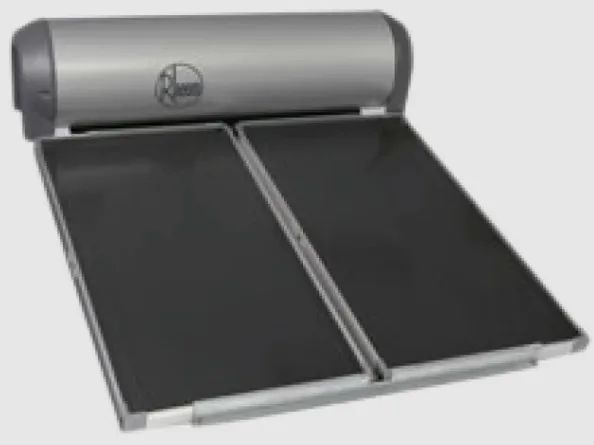
Systems are usually arranged in one of two ways. In a close-coupled design, the collectors and the tank sit together on the roof. In a split design, the tank is placed separately, often lower down, with the collectors on the roof.
Rheem Malaysia lists two models that show the difference. The Premier Hiline has close-coupled collectors paired with a 300-litre tank. The Premier Loline uses a split design, which reduces structural load on the roof.
Think about your roof first
Your roof is the starting point. Check its direction, shade, condition and strength. A system that holds a tank on the roof adds weight, which is why a split layout can help in some homes.
Ask an installer to inspect the roof before you commit. A site visit is more reliable than guessing from photos.
Weather protection and water quality
Collectors face the weather every day, so protection matters. The Hiline is described as fully frost protected and better suited to areas with poor water quality. It uses an S200 collector, which the page says performs well in all locations.
The Loline uses drain-back technology, which maximises solar gain and protects against weather extremes. If water quality is a concern where you live, ask the supplier how each system copes.
Monitoring the system
Some systems include a display so you can see how the heater is running. The Loline has an LED display that shows the operating status of the water heater. That helps you notice if something is wrong, rather than finding out when the water runs cold.
What happens on cloudy days?
Solar heating depends on sunlight, so cloudy or rainy periods can reduce the heat collected. Many systems include a backup option so that you still have hot water when the sun does not help. Rheem Malaysia’s solar range offers multiple hot water storage options with backup capability if necessary.
Ask exactly how the backup works, what powers it and how it switches on. Understanding this will help you plan for the wettest weeks of the year.
Sizing the system
Size depends on how many people live in your home and how much hot water you use. A larger household needs a bigger tank. Be realistic about peak use, such as several showers in a row, and discuss it with the installer.
Over-sizing wastes space and money, and under-sizing leaves people with cold showers. A short conversation about your habits can prevent both.
Maintenance and lifespan
Like any system with moving parts and outdoor exposure, solar heaters need care. Collectors can gather dust and debris, and tanks and pipes need periodic checks. Ask who will service the system and how often.
Check the warranty, and ask what it covers, including collectors, tank and any backup parts.
Compare it with other options
Solar is one way to heat water. Electric storage and instant heaters are others. Each suits a different home, budget and roof. If you are comparing, look at the residential water heaters range to see the full set of options.
Be wary of simple claims such as “free hot water.” Think about the full picture, including installation, maintenance and backup.
Where to start
Begin with a clear list of what you need: household size, roof type, budget and preferred layout. Then browse the Premier Hiline and Loline models, and use the Rheem Malaysia dealer locator to find a local contact. You can also look through the wider range of residential water heaters to compare alternatives.
The takeaway
A solar water heater can suit Malaysian homes when the roof, layout and backup plan are right. Check the roof, compare layouts, understand the backup and get a site visit before you decide.