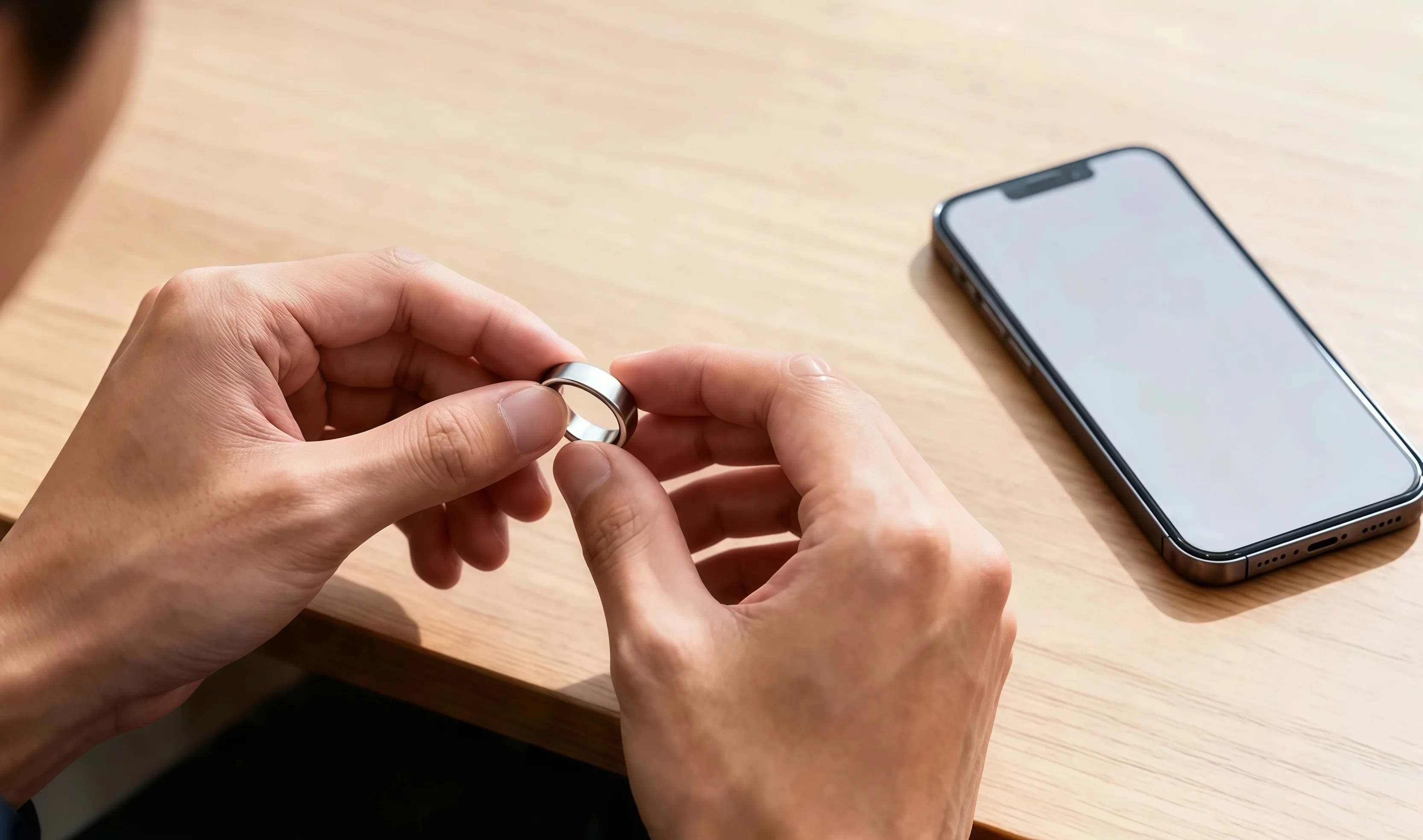
Smartwatches are no longer the only wearable gadgets people use every day. Smart rings are gaining attention as a smaller and more convenient alternative. These compact devices bring health tracking, smartphone connectivity, and digital features into a simple ring design.
Unlike traditional rings, smart rings contain electronic sensors and wireless technology. They can collect information about sleep, activity, heart rate, and other body signals. Some models also support contactless payments and smartphone controls.
The growing interest in smart rings reflects a wider change in consumer technology. People want useful gadgets that fit naturally into their daily routines. They also want fewer screens and less dependence on bulky devices.
But are smart rings worth buying in 2026? Let's explore how they work, their features, benefits, limitations, and what buyers should consider.
What Is a Smart Ring?
A smart ring is a wearable electronic device designed to fit around your finger. It looks similar to a regular ring but contains miniature sensors, processors, and wireless components.
These components collect information and transfer it to a connected smartphone or compatible application.
Depending on the model, a smart ring can track:
- Sleep duration and sleep patterns
- Heart rate and resting heart rate
- Daily activity and movement
- Skin temperature changes
- Blood oxygen estimates
- Recovery and readiness trends
- Menstrual cycle-related patterns
Some smart rings also include NFC technology for contactless payments or other compatible functions.
Unlike smartwatches, most smart rings do not have a display. Users generally check their information through a smartphone application.
How Does Smart Ring Technology Work?
Smart rings combine several small technologies inside a compact structure. Their sensors collect information while users wear them throughout the day or night.
Here is how the process works.
1. Built-in Sensors Collect Information
Smart rings use optical sensors, temperature sensors, and motion sensors.
Optical sensors use light to estimate changes in blood flow. Motion sensors detect movement and physical activity. Temperature sensors monitor changes in skin temperature.
The available measurements depend on the ring's hardware and software.
2. Wireless Technology Transfers Data
Most smart rings connect to smartphones through Bluetooth.
The ring collects information and periodically synchronises it with its companion application. Users can then view reports, trends, and daily summaries.
3. Mobile Applications Present the Results
The companion application converts collected information into readable reports.
For example, users may see their sleep duration, resting heart rate, activity levels, or recovery estimates.
Some applications also use algorithms to identify patterns over time.
4. The Battery Powers Daily Tracking
Smart rings use small rechargeable batteries.
Battery life varies according to the model, sensor activity, software, and usage habits. Most manufacturers provide charging cases or compact charging docks.
Key Features of Modern Smart Rings
Smart rings offer several features that make them different from traditional wearable gadgets.
Sleep Tracking
Sleep tracking is one of the main reasons people consider buying smart rings.
These devices can monitor movement, heart rate patterns, and temperature changes during sleep. Their companion applications use this information to estimate sleep duration and different sleep stages.
Users can review their sleep patterns and understand whether their routines are consistent.
However, smart ring sleep measurements are estimates. They should not replace professional sleep assessments.
Heart Rate Monitoring
Many smart rings include optical heart rate sensors.
These sensors use light to detect changes in blood volume beneath the skin. The device then estimates heart rate during rest and other activities.
Some models also offer continuous or periodic monitoring.
Results can help users observe general trends. However, accuracy can vary during intense exercise, movement, or poor sensor contact.
Activity Tracking
Smart rings can detect everyday movement through built-in motion sensors.
Depending on the model, they may estimate steps, activity levels, and calorie expenditure.
Some devices automatically recognise selected activities. Others require users to record workouts through their smartphone applications.
They are useful for people who want basic activity information without wearing a smartwatch.
Temperature Monitoring
Temperature sensors monitor changes in skin temperature.
Some smart rings use these readings to identify personal temperature patterns over time.
This information may support sleep analysis, recovery tracking, and menstrual cycle predictions.
These readings are not the same as direct core body temperature measurements.
Smartphone Connectivity
Bluetooth allows smart rings to communicate with compatible smartphones.
Users can synchronise their data, review reports, and manage selected device settings through mobile applications.
Some models also offer gesture controls or other smartphone-related features.
The available functions depend on the manufacturer and supported operating system.
Contactless Payments
Selected smart rings include NFC-based payment functionality.
Users can make supported contactless payments without taking out their smartphones or wallets.
However, payment availability depends on the ring, payment provider, supported banks, and region.
Smart Rings vs Smartwatches: Which Gadget Is Better?
Smart rings and smartwatches serve similar purposes, but their designs and capabilities differ.
FeatureSmart RingSmartwatchDesignCompact ringWrist-worn deviceDisplayUsually no displayScreen availableSleep trackingAvailable on many modelsAvailable on many modelsHeart rate monitoringAvailableAvailableNotificationsLimited or model-dependentWidely supportedGPSUsually depends on phoneAvailable on selected modelsBattery lifeVaries by modelVaries by modelFitness controlsUsually limitedMore extensiveSmartphone connectivityBluetoothBluetooth and sometimes Wi-FiPayment supportAvailable on selected modelsAvailable on selected modelsA smartwatch is generally more suitable for people who want notifications, workout controls, navigation, and a visible interface.
A smart ring is more suitable for people who prefer a lightweight device and passive health and activity tracking.
The right choice depends on how someone plans to use the gadget.
Popular Smart Rings to Know About in 2026
Several brands have introduced smart rings with different features and designs.
Oura Ring
Oura is one of the best-known names in the smart ring category.
Its rings focus on sleep tracking, activity monitoring, heart rate trends, and recovery insights. The companion application presents information through daily scores and longer-term reports.
It is worth considering for users who prioritise sleep and wellness tracking.
Samsung Galaxy Ring
The Samsung Galaxy Ring combines a lightweight design with health and activity tracking features.
It works with compatible Samsung Health services and Android devices. Its integration with Samsung's ecosystem makes it relevant for users who already own compatible Samsung gadgets.
Buyers should check device compatibility before purchasing.
Ultrahuman Ring AIR
Ultrahuman Ring AIR focuses on activity, sleep, recovery, and metabolic health insights.
Its application provides personalised information based on collected data.
It may interest people who want detailed wellness tracking without wearing a smartwatch.
RingConn Smart Ring
RingConn offers smart rings focused on sleep, activity, and health-related tracking.
Its features vary by generation and model. Buyers should compare battery performance, supported measurements, and application features before making a decision.
How Smart Rings Connect With Other Gadgets
Smart rings are part of a larger connected technology ecosystem.
They work alongside smartphones, tablets, and other compatible devices. This makes them more useful than standalone accessories.
For example, users can collect information through a ring and review it on their smartphone. Some devices also support selected interactions with other connected gadgets.
This trend is closely related to the development of wearable technology.
Another example is the growing use of smart glasses. Read our article on AI Smart Glasses in 2026: How Wearable Technology Is Changing Everyday Life to understand how wearable gadgets are changing everyday activities.
Smart rings and smart glasses serve different purposes, but both show how technology is becoming smaller and more integrated into daily activities.
Benefits of Using a Smart Ring
Smart rings offer several practical advantages.
Comfortable Everyday Design
Their compact design makes them easier to wear without a visible screen or bulky wrist display.
Many users also find them convenient during sleep.
Fewer Screen Distractions
Smart rings generally do not display constant notifications.
Users can collect selected information without checking another screen throughout the day.
Useful Health and Activity Insights
Sleep, heart rate, and activity information can help users understand their daily habits.
Consistent tracking may also help identify changes in personal patterns.
Convenient Smartphone Integration
Users can access collected information through compatible mobile applications.
This makes it easier to review reports without carrying another large device.
Suitable for Continuous Wear
Many smart rings are designed for both daytime and nighttime use.
Their smaller design can make them practical for people who do not enjoy wearing smartwatches.
Limitations of Smart Rings You Should Know
Despite their advantages, smart rings are not suitable for everyone.
Limited Display and Controls
Most smart rings do not have screens.
Users need a connected smartphone to access detailed information. They cannot interact with them like a smartwatch.
Accuracy Can Vary
Smart ring measurements are estimates rather than medical diagnoses.
Factors such as movement, ring placement, fit, and skin characteristics can affect readings.
Sizing Is Important
A smart ring needs to fit correctly.
A loose ring may affect sensor contact. A tight ring can become uncomfortable during daily activities.
Many manufacturers offer sizing kits to help buyers choose the right size.
Limited Fitness Features
Smart rings are not always suitable for serious athletes.
They may lack built-in GPS, detailed workout controls, and the real-time display features available on many sports watches.
Data Privacy Concerns
Smart rings collect personal information about users' bodies and daily routines.
Before purchasing one, check how the manufacturer stores, processes, and shares this information.
Also review application permissions and account security settings.
What to Consider Before Buying a Smart Ring
Choosing a smart ring requires more than comparing prices and appearance.
Here are some important factors to check.
1. Device Compatibility
Check whether the ring supports your smartphone's operating system. Some features may work only with selected Android or iOS devices.
2. Battery Performance
Compare the manufacturer's battery estimates. Consider how frequently the ring needs charging and whether a charging case is included.
3. Health Tracking Features
Look for the measurements you actually need. Do not pay extra for features you will rarely use.
4. Ring Size and Comfort
Check the manufacturer's sizing instructions before ordering. Consider wearing a sizing sample if one is available.
5. Subscription Costs
Some brands require subscriptions for selected insights and application features. Calculate the long-term cost before purchasing.
6. Water Resistance
Check the manufacturer's water resistance rating and usage guidance. Not every smart ring supports the same swimming, showering, or water-related activities.
7. Privacy and Security
Review the company's privacy policy. Understand how your health-related information is collected, stored, and shared.
The Role of AI in Wearable Technology
Artificial intelligence is becoming an important part of connected gadgets.
Wearable devices can collect large amounts of information. AI-based software can help organise this information and identify patterns.
For example, a companion application may analyse sleep trends and suggest changes to daily routines.
Some systems can also combine activity, heart rate, and temperature information to provide broader wellness insights.
However, these recommendations depend on the quality of collected data and the software behind them.
The processing of this information is also changing. Some AI features operate directly on devices, while others depend on cloud-based systems.
Read our guide on On-Device AI vs Cloud AI to understand how these two approaches process information and support modern technology.
This development may influence how future wearable gadgets process personal information and deliver recommendations.
AI is also expanding beyond wearables into personal computers. Modern AI PCs use dedicated hardware, including Neural Processing Units (NPUs), to handle selected AI tasks.
Explore What Is an AI PC? Features, NPU, Benefits and Buying Guide to learn how this technology is changing computer performance and everyday tasks.
The Future of Smart Ring Technology
Smart rings are still developing as a consumer gadget category.
Future models may offer improved sensors, better battery performance, and stronger integration with connected devices.
Manufacturers may also explore more advanced gesture controls and personalised software features.
Another important area is data privacy. Users increasingly expect greater control over their personal information.
Smart ring technology may also become more useful when connected with smartphones, smart home devices, and other wearables.
However, the success of these gadgets will depend on practical improvements. Better accuracy, comfortable designs, useful features, and reasonable prices will matter more than adding unnecessary technology.
Frequently Asked Questions About Smart Rings
1. What is the main purpose of a smart ring?
A smart ring collects information about selected health and activity measurements. Depending on its features, it can track sleep, heart rate, movement, and temperature changes.
2. Are smart rings better than smartwatches?
Neither is universally better. Smart rings offer a compact design and passive tracking, while smartwatches provide displays, notifications, and more interactive features.
3. Do smart rings require smartphones?
Most smart rings require compatible smartphones for setup, synchronisation, and detailed data reports. Their functionality without a phone depends on the model.
4. Can smart rings track sleep?
Yes. Many smart rings estimate sleep duration, movement, and sleep stages using built-in sensors.
5. Do smart rings need charging?
Yes. Smart rings contain rechargeable batteries. Battery life depends on the model, settings, and usage.
6. Are smart rings safe to wear every day?
Most consumer smart rings are designed for regular wear. However, users should follow manufacturer instructions and remove the ring if it causes discomfort or skin irritation.
7. Can smart rings replace medical devices?
No. Consumer smart rings are not substitutes for medical equipment or professional diagnosis. Their measurements should be treated as general wellness information.
8. Are smart rings worth buying in 2026?
They can be useful for people who want sleep, activity, and selected health tracking in a compact design. However, buyers should compare features, compatibility, pricing, and subscription requirements.
Final Thoughts
Smart rings represent an interesting shift in wearable technology. They bring selected digital features into a small accessory that people can wear throughout the day.
Their biggest advantage is convenience. Users can monitor personal activity and sleep patterns without constantly checking a screen.
However, smart rings still have limitations. Their tracking accuracy, smartphone compatibility, battery life, and subscription costs deserve careful consideration.
As wearable technology develops, smart rings may become an increasingly useful part of connected everyday gadgets.
For buyers, the best approach is simple. Choose a device that solves a real problem rather than purchasing one just because it has new technology.
TechSolutionHelp | Your Tech Partner for Growth.