
Smart homes have moved from novelty to normal. Faster connectivity, mature hardware, and rising electricity costs have made automation a practical part of how homes are planned. But most people still buy the wrong way — a smart bulb here, a plug there — and end up with a drawer full of half-working devices instead of a home that actually works together.
The difference between gadgets and a system is the whole point. A device is something you operate. A system is something that operates on your behalf. Good smart home solutions give you back your attention rather than demanding it.
What a complete system covers
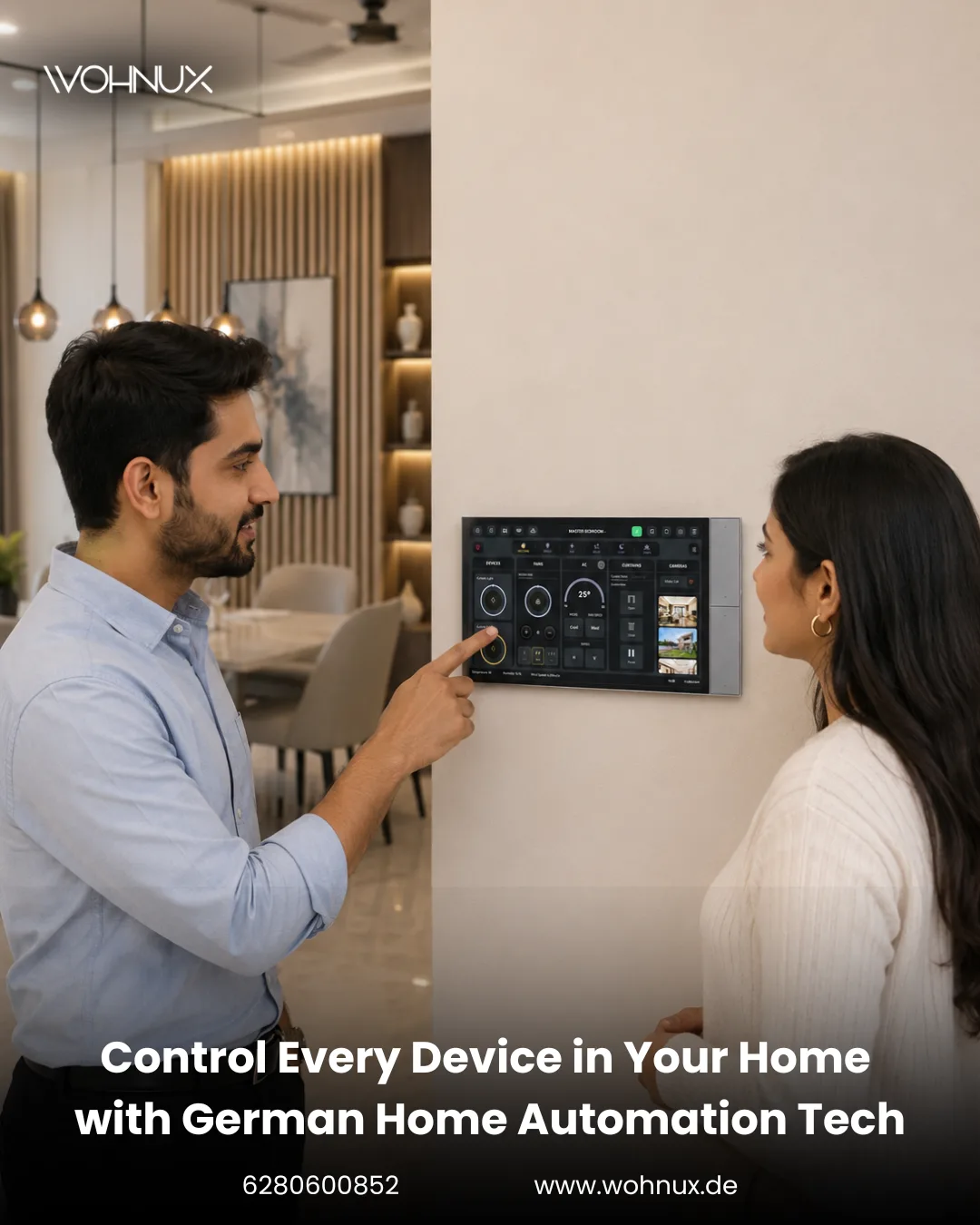
A well-designed setup usually includes lighting control with dimming and scenes, motorised curtains and blinds, climate control for air conditioners and fans, a security layer of cameras and smart locks, and safety sensors for gas, fire, and water leaks. Everything is managed from a single app and elegant wall touch panels, with voice assistants handling casual requests.
The specifics vary by home, but the goal is consistent — the house quietly doing the right thing without being asked.
The questions that separate good from bad
Any provider can install a working setup on day one. These questions reveal whether it will still work well in year five.
Does it work when the internet is down? Proper smart home solutions run on local control — lights, panels, scenes, and schedules all keep working, with only remote access gone. If a router problem makes your house unusable, that is a design flaw, not bad luck.
Is it locked to one brand? Look for open standards like Matter, Zigbee, and KNX. A closed ecosystem feels fine for two years and becomes a trap in year five, when adding something means going back to a single supplier.
Do the physical switches still work? They should. Every automated point needs a manual control that behaves normally, so guests, parents, and house help can use the home without a tutorial.
Wired or wireless
Wireless suits finished apartments and rentals — quick, no civil work, easy to expand, but dependent on your Wi-Fi. Wired suits construction and renovation — stable, scaling across large homes, indifferent to your router. If the walls are open, run the conduit; the cable is the cheapest item in the project and impossible to add cleanly later.
Most well-planned homes end up hybrid: a wired backbone for lighting and curtains, wireless for sensors and later additions.
What you actually get
Lower electricity bills, since cooling and lighting stop being wasted on empty rooms. Less daily friction. Peace of mind when you are out. Real safety from sensors. Accessibility for elderly parents through voice and one-touch scenes. And higher property value, since pre-wired automation is now a genuine selling point.
About Wohnux
Wohnux is a German-engineered smart home brand delivering reliable automation for new construction and existing homes. The approach is simple: build the invisible layer properly — local control, open standards, clean wiring and the visible part becomes easy. Wohnux starts with your floor plan rather than a product catalogue, and handles design, installation, and long-term support as one accountable team.