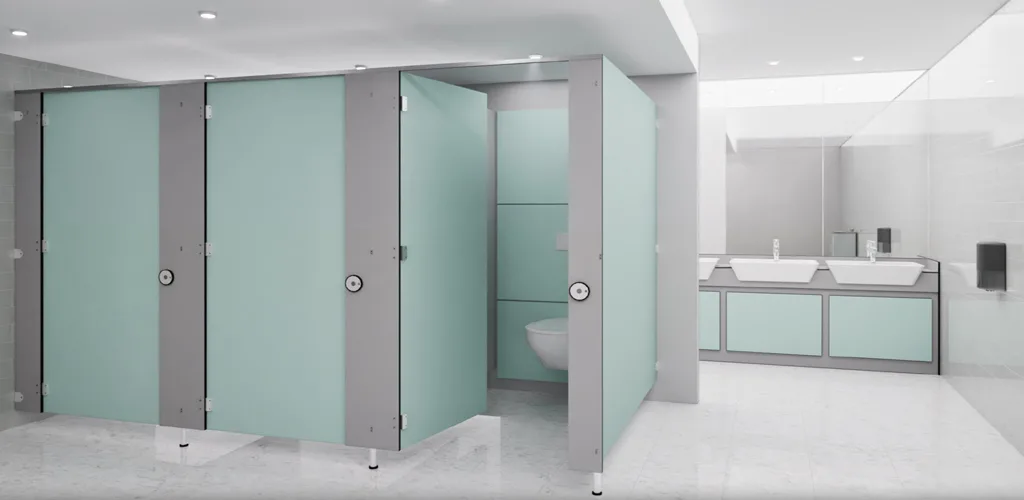
A washroom takes a lot of punishment. Bags knock against doors. Keys scrape panels. Children swing on handles. Cleaners push trolleys past walls all day long. Over time, small marks turn into big problems. Screws work loose. Edges chip. Doors stop closing. The room starts to look tired, and visitors notice. The good news is that most damage can be avoided. You do not need a huge budget or special skills. You need a few smart habits and the right choices at the start. This guide shares simple steps that keep your washroom looking sharp for years.
Choose a Tough Panel From the Start
Prevention begins before the first screw goes in. The panel itself is your first line of defence. A weak board dents, swells and peels. A strong one shrugs off daily knocks. Many buyers pick on looks alone. That is a costly error.
Look at the core and the surface. A dense core resists impact and holds screws well. A hard surface fights scratches and scuffs. When you plan a toilet cubicle partition, ask how it copes with water, pressure and sharp objects. Ask to see a sample. Press it. Scratch it. Wet it. Real tests tell you more than a brochure ever will. Match the material to the building. A school needs more strength than a small office. A bus station needs more than a quiet library. Spend where the risk is highest.
Pick Finishes That Hide and Resist Marks
Not all surfaces age the same way. Some show every fingerprint and scratch. Others stay smooth and clean. The finish you choose can change how a washroom looks after one year of use.
Textured and matt finishes hide light marks well. Gloss shows them at once. Dark, plain colours often reveal scuffs more than soft, mid tones do. Anti-graffiti coatings let staff wipe off pen and paint with ease. Some finishes also resist chemicals, so strong cleaners will not dull them. Ask your supplier to show you each option in person. Hold a sample under the same light as the real room. Choose a finish that suits both your style and your level of traffic. A good finish protects the panel and saves you time on cleaning.
Use Strong Hinges, Locks and Fixings
Most failures start with the hardware. A weak hinge sags. A thin lock snaps. A loose screw spins in a soft hole. Then the door drops and drags on the floor. It is a common story, and it is easy to stop.
Pick heavy-duty hinges made for public use. Choose locks that can take rough handling. Look for tamper-proof screws that stop theft and fiddling. Make sure fixings bite into a solid core, not just a thin skin. Fit the door with a smooth closing action so it does not slam. Slamming shakes every joint in the frame. It also adds noise that guests dislike. Good hardware costs a little more at the start. It saves you from repeat repairs and angry visitors later.
Get the Installation Right
Even the best product fails when fitted badly. A cubicle that is out of level puts strain on every joint. A frame fixed to a weak wall will pull away. Poor gaps make doors rub and wear.
Check the floor and walls before work begins. Mark any dips or bumps. Plan extra support where the structure is weak. Use trained fitters who know the system. They will set each panel true and tighten each fixing to the right force. Overtight screws can crack a panel. Loose ones slip out. Ask for a final check once the work is done. Test every door. Open it. Close it. Lock it. Look for gaps and wobble. A neat fit at the start prevents most loose fittings in later years.
Good toilet cubicles only perform well when the fitting matches the quality of the product. Ask your supplier who will install them and how those fitters are trained. A careful fit protects both the panels and the warranty.
Set Up a Simple Routine of Checks
Small faults grow if nobody sees them. A loose screw today is a broken hinge next month. A routine check stops this chain. It takes only a few minutes.
Walk through each washroom once a week. Look at hinges, locks and brackets. Tighten anything that moves. Check for chips, cracks and lifted edges. Wipe down marks before they set. Keep a simple log so that patterns stand out. If one door fails often, find out why. Perhaps it sits near a busy entrance. Perhaps users slam it. Train your cleaning team to report faults at once. They see the room more than anyone else. A short, regular check costs little and prevents big repair bills.
Clean in the Right Way
Cleaning keeps a room fresh. But the wrong method can cause harm. Harsh pads scratch the surface. Strong chemicals dull the finish. Too much water seeps into edges and swells the core.
Use soft cloths and mild cleaners. Follow the maker’s advice. Wipe, do not scrub. Dry the edges and the base of each panel after a wet clean. Keep mop heads away from the bottoms of doors. Teach your team the right way, and write it down. Simple rules protect your investment. Clean panels last longer and look better. Careful cleaning is one of the cheapest ways to prevent damage.
Protect High-Risk Areas
Some spots take more abuse than others. Doors near the entrance get pushed and slammed. The lower panel gets kicked. Corners get knocked by bags and trolleys. Coat hooks and shelves bear weight they were never meant to carry.
Fit bump rails or guards where trolleys pass. Add rubber stops to prevent doors from hitting walls. Use strong hooks that spread the load. Keep bins and supplies out of tight spaces. Place clear signs that ask people to treat the room with care. Small barriers and simple signs reduce wear in a big way. Think about how people move through the room, and shield the weak points.
Plan for Repairs and Spare Parts
Even with great care, parts wear out. A lock fails. A hinge cracks. A panel gets a deep gouge. The key is to fix it fast. A broken cubicle left alone invites more harm.
Keep a small stock of common spares. Locks, screws, hinges and pads are good starters. Record the product codes so you can reorder with ease. Choose a firm that supplies parts for many years. A reliable toilet cubicle partition supplier will hold stock and answer calls quickly. They will also advise you on repairs and upgrades. Quick action keeps the room open and protects your image. It also stops small faults from growing into costly ones.
Work With a Partner Who Cares
Prevention is easier with expert help. A good partner guides your choices from the start. They explain materials, finishes and hardware in plain words. They share honest advice and do not push the dearest option.
When you compare toilet cubicle manufacturers, look beyond price. Ask about warranties, test results and past projects. Ask how they support clients after the sale. Strong toilet cubicles come from firms that care about detail. A trusted name such as Washroom Cubicles Direct Ltd can help you pick the right design, plan the fit and keep spare parts on hand. A good partner stays with you long after the job is done. That support is worth more than a small saving on day one.
Conclusion
Damage in a washroom is not a matter of luck. It comes from weak choices and missed checks. Pick strong panels and smart finishes. Use solid hardware. Fit everything with care. Check the room often. Clean it the right way. Protect busy spots. Keep spares ready. Work with a supplier you can trust, such as Washroom Cubicles Direct Ltd. A good partner offers sound advice, quality parts and support long after the sale.
None of these steps is hard. Together, they keep your washroom smooth, safe and smart. Start with one change today. Tighten a screw. Test a finish. Ask a question. Small actions add up, and your cubicles will thank you for years to come.