
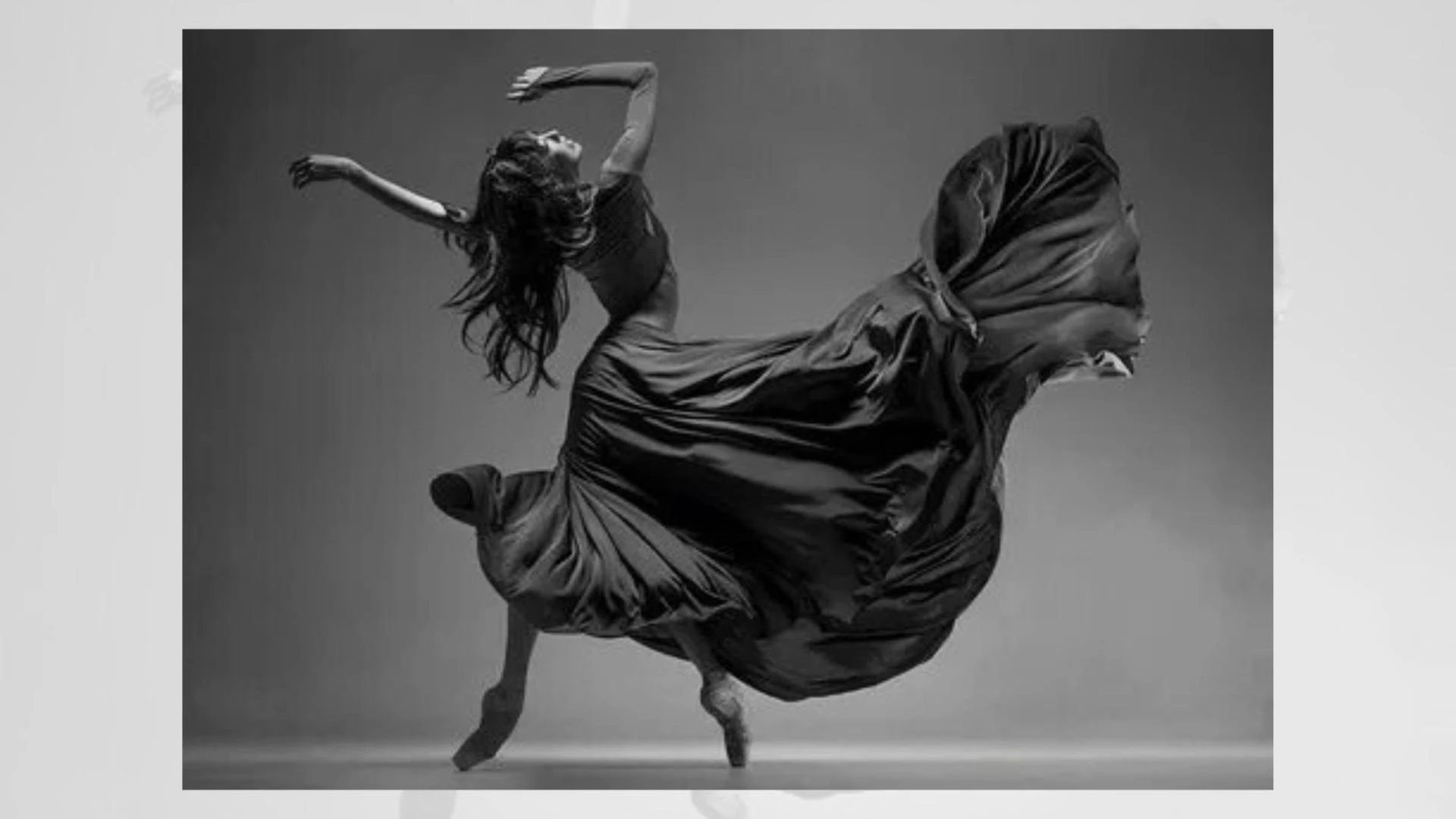
Capturing dancers mid-performance can be magical—or maddening—depending on your shutter speed. In dance photography, timing is everything. A slight change in settings can make the difference between a photo that freezes a gravity-defying leap and one that paints a swirl of motion. Understanding shutter speed is your secret weapon to telling the story you want through your lens.
Let’s break down how to use shutter speed to either freeze action or highlight movement—and when to do each.
Freezing Action: The Crisp, Clean Shot
Ever seen a dancer seemingly suspended mid-air, toes pointed, expression fierce, and not a hint of blur? That’s what a fast shutter speed can do. It stops motion in its tracks and shows every detail with clarity.
To capture this effect, you'll want a shutter speed of at least 1/500 of a second, often faster for leaps or spins. If you're shooting outdoors with lots of natural light, you're in luck—your camera can handle those speeds without a problem. Indoors, though, things get trickier. You’ll need to bump up your ISO or open your aperture to let in enough light.
This technique works great during high-energy moments like jumps, kicks, or any part of a performance where form matters. If you're shooting dance photography in Denver at events or showcases, freezing action gives viewers a front-row seat to the athleticism involved.
One tip: Focus on the dancer’s eyes or face. Even when everything else is sharp, a soft face can ruin the shot.
Embracing Flow: The Beauty of Blur
Motion blur gets a bad rap, but it has its place—especially in dance. Slowing your shutter speed to around 1/30 to 1/60 of a second creates streaks and trails that show the energy of movement. Think flowing skirts, arms tracing arcs, or hair swinging through the air.
This method tells a different story. Instead of highlighting technique, it captures emotion and rhythm. It works well for contemporary and interpretive dance styles where feeling trumps precision.
You’ll need a steady hand or a tripod for this. While parts of your subject can blur artistically, a shaky background just looks messy. Try panning your camera with the dancer’s movement to keep their face somewhat sharp while allowing the motion to streak behind them.
If you’re working in a dim theater setting or moody dance studio, this approach often feels more authentic. It mirrors how the human eye perceives motion in real-time.
Switching It Up Mid-Shoot
There’s no rule that says you have to pick one style and stick with it. Many photographers shift between freezing and flowing in a single session. Start with fast shutter speeds for action shots. Then, dial it down and experiment with slower ones once you’ve nailed your must-haves.
Take time to preview your shots on the screen and adjust settings as needed. If you're doing dance photography in Denver, you might encounter variable lighting—some performance spaces change color gels or spotlight strength during the show. Always be ready to pivot.
Let Lighting Be Your Guide
Shutter speed doesn’t exist in a vacuum. It’s part of the exposure triangle, along with aperture and ISO. If you want to slow your shutter for more flow, you may need to close your aperture or drop your ISO to avoid overexposure. Likewise, freezing action in low light might require a wider aperture or higher ISO. Learn to balance them, and you’ll have full creative control.
For low-light dance events, consider using lenses with a wide maximum aperture like f/1.8 or f/2.8. That extra light helps when faster shutter speeds are non-negotiable.
Final Thoughts
Whether you're drawn to the crisp pause of a pirouette in mid-air or the fluid motion of a twirl, mastering shutter speed is key. Both approaches have artistic value, and knowing when to use each gives you more creative freedom.
If you’re pursuing dance photography in Denver, you'll find no shortage of talent or venues to practice your craft. The right shutter speed doesn’t just capture movement—it captures emotion, energy, and the spirit of dance itself. So get out there, play with your settings, and let your camera tell the story in motion—or in stillness.