
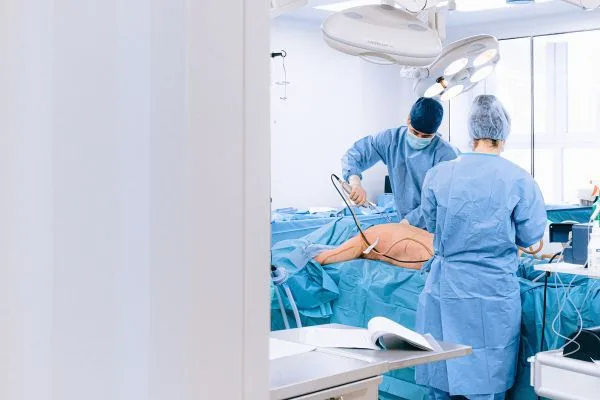
A shoulder dislocation can be more than a painful sports injury. When the upper arm bone slips out of the shoulder socket, it can affect movement, stability, and confidence in using the arm normally. While some dislocations can be treated without surgery, repeated episodes or associated structural damage may require a surgical approach.
For people experiencing persistent instability, shoulder dislocation surgery Singapore can provide a way to restore shoulder stability and reduce the risk of future dislocations. The appropriate treatment depends on the severity of the injury, age, activity level, and whether the shoulder has sustained damage to surrounding tissues.
What Happens During a Shoulder Dislocation?
The shoulder is designed to provide a wide range of movement, but this flexibility also makes it vulnerable to instability. A dislocation occurs when the head of the upper arm bone moves completely out of the shoulder socket.
The injury may happen because of:
- Contact sports or athletic injuries
- Falls onto an outstretched hand
- Sudden impact or collision
- Previous shoulder instability
- Repetitive overhead movements
- Significant trauma
After a dislocation, the supporting ligaments, labrum, or other structures around the joint may also be affected. These injuries can increase the likelihood of another dislocation.
When Might Shoulder Dislocation Surgery Be Recommended?
Not every shoulder dislocation requires an operation. Initial treatment may involve repositioning the joint, rest, medication, physiotherapy, and gradual rehabilitation.
However, surgery may be considered when:
- The shoulder repeatedly dislocates or partially slips out
- There is significant damage to the labrum or supporting tissues
- A bone injury has occurred alongside the dislocation
- The shoulder remains unstable despite rehabilitation
- The patient participates in high-demand sports
- Previous non-surgical treatment has not provided sufficient stability
A specialist will typically assess the shoulder and may recommend imaging tests to understand the extent of the damage before deciding whether surgery is appropriate.
Common Surgical Approaches for Shoulder Instability
The type of procedure depends on the cause of instability and the structures involved. Arthroscopic surgery is commonly considered because it allows the surgeon to work through small incisions using a camera and specialised instruments.
In some cases, the damaged labrum and ligaments are repaired and secured back into position. This can help restore the structures responsible for keeping the shoulder joint stable.
For more complex cases involving bone loss or significant structural damage, a different surgical technique may be necessary. The choice is highly individual and should be based on clinical examination and imaging findings.
Why Early Assessment Matters
A first-time shoulder dislocation should not simply be ignored once the immediate pain improves. Repeated instability can make the shoulder increasingly vulnerable to further injury.
Early assessment can help identify:
- Joint instability
- Labral injuries
- Bone damage
- Rotator cuff involvement
- Recurrent dislocation risk
- Movement limitations
Getting an accurate diagnosis helps determine whether rehabilitation alone is suitable or whether shoulder dislocation surgery Singapore should be discussed with an orthopaedic specialist.
What to Expect After Surgery
Recovery does not end when the surgical procedure is completed. Rehabilitation is an important part of restoring shoulder function.
The early recovery period may focus on protecting the repaired structures while gradually introducing controlled movement. Physiotherapy can then progress toward improving flexibility, strength, coordination, and shoulder stability.
The rehabilitation timeline varies according to the procedure and individual healing response. Returning to demanding sports or heavy lifting too quickly may increase the risk of complications, so activity should be progressed according to medical guidance.
Choosing the Right Shoulder Specialist in Singapore
Selecting an experienced orthopaedic specialist is an important part of treatment planning. Patients may want to consider the doctor's experience with shoulder instability, surgical techniques offered, rehabilitation protocols, and approach to personalised treatment.
A consultation should provide an opportunity to discuss the cause of the dislocation, previous injuries, activity requirements, imaging results, and realistic recovery expectations.
Can Shoulder Dislocation Be Prevented From Happening Again?
Although recurrence cannot always be completely prevented, appropriate rehabilitation can help improve shoulder strength and control. Patients who have experienced a dislocation should follow their rehabilitation programme carefully and avoid returning to high-risk activities before the shoulder has adequately recovered.
Strengthening the muscles around the shoulder and improving movement control can be particularly important for people involved in sports or physically demanding activities.
Take the Next Step Towards a More Stable Shoulder
Persistent shoulder instability can interfere with sports, work, exercise, and everyday activities. Understanding the underlying cause is the first step toward choosing an effective treatment.
If recurrent dislocations or structural damage are affecting shoulder function, discussing shoulder dislocation surgery Singapore with a qualified orthopaedic specialist can help determine whether surgical stabilisation is appropriate. With an accurate diagnosis, suitable treatment, and structured rehabilitation, many patients can work toward improved shoulder stability and a safer return to their normal activities.