
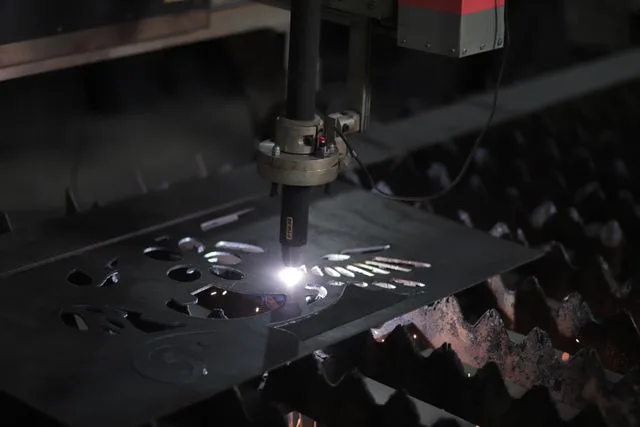
A reliable sheet metal fabricator plays an important role in producing durable, accurate metal components for aerospace, defense, medical equipment, energy, and industrial applications. From brackets and enclosures to structural panels and welded assemblies, sheet metal fabrication transforms flat metal stock into parts designed to meet specific engineering requirements. Choosing the right fabrication partner involves more than comparing prices. Production consistency, material traceability, welding qualifications, quality controls, and dependable delivery schedules all influence the success of a manufacturing program.
What Does a Sheet Metal Fabricator Do?
A sheet metal fabricator uses specialized equipment and manufacturing processes to cut, form, join, and prepare metal components according to engineering drawings. The process typically begins with sheet material selected for the required strength, weight, corrosion resistance, and application.
CNC punching creates holes, openings, and other specified features in sheet stock. Press-brake forming bends the material into the required geometry, while welding joins separate components into more complex structures. Deburring and edge preparation remove sharp edges and prepare parts for subsequent finishing operations.
Each operation must follow the component's specifications. Small variations in bend angles, hole locations, or weld characteristics can affect assembly fit and overall performance. For this reason, experienced fabricators use documented procedures and inspection practices to maintain consistency throughout production.
Why Precision Matters in Sheet Metal Fabrication
Precision becomes especially important when fabricated components must fit into larger assemblies or meet strict industry requirements. A bracket with an incorrect bend angle or an enclosure with poorly positioned openings can create problems during installation, increase rework, or delay an entire production schedule.
Dimensional accuracy depends on several factors, including material properties, tooling condition, machine setup, and operator technique. Bending introduces additional considerations because metal can spring back after forming. Fabricators must account for this behavior when establishing bend allowances, radii, and finished dimensions.
Design-for-manufacturability reviews can identify potential issues before production begins. Reviewing drawings, tolerances, material callouts, and weld requirements early helps manufacturers determine whether a component can be produced consistently using the intended process. Resolving these questions before fabrication reduces the risk of costly adjustments after the first parts are complete.
Quality Systems and Manufacturing Certifications
When sourcing a sheet metal fabricator for regulated or technically demanding applications, buyers should examine the supplier's quality management system and relevant certifications. These credentials help demonstrate that manufacturing processes, documentation, and inspection practices are managed according to established requirements.
ISO 9001 provides a framework for quality management, while AS9100D adds requirements relevant to aerospace manufacturing. Defense-related programs may also involve cybersecurity obligations when suppliers handle controlled information. The certifications and registrations needed depend on the customer's contract, the work being performed, and the information involved.
Buyers should confirm that a supplier's credentials are current and applicable to the proposed work rather than relying on general claims about certification. It is also useful to understand how the quality system addresses nonconforming parts, corrective actions, inspection records, and production changes.
Welding Qualifications and Material Traceability
Welding can determine the strength, durability, and reliability of a fabricated assembly. Different materials and applications may require different welding processes and qualified procedures. Aerospace fusion welding, stainless steel fabrication, aluminum welding, and structural steel work can each involve distinct requirements.
A qualified fabricator should be able to explain how welding procedures and operator qualifications align with the engineering drawings and applicable standards. Buyers should verify that the required qualifications cover the specific materials, joint configurations, and classifications involved in their projects.
Material traceability is equally important for applications where component origin and manufacturing history must be documented. Material certifications and mill data can connect incoming sheet stock to finished parts. Welding records and inspection documentation provide additional evidence that production followed the required procedures.
Maintaining these records throughout manufacturing helps customers verify compliance, investigate issues, and support future audits or product evaluations.
Managing Finishing and Final Preparation
Many fabricated metal components require additional finishing after punching, bending, and welding. Depending on the application, this may include painting, powder coating, anodizing, or another specified surface treatment.
Before finishing, parts may need deburring, edge preparation, cleaning, or masking. These preparation steps affect the final appearance and can influence how well the coating adheres to the material. Incorrect masking or incomplete preparation may cause rejected parts or require additional processing.
Some fabricators complete all preparation work internally and use qualified outside specialists for coating or anodizing. This arrangement can work effectively when responsibilities, specifications, inspection requirements, and delivery schedules are clearly controlled. Buyers should establish who manages finish acceptance and maintains the associated documentation.
Domestic Sourcing and Production Reliability
When comparing domestic and offshore fabrication suppliers, the lowest unit price does not always represent the lowest total cost. Freight, customs delays, communication differences, inspection requirements, and schedule uncertainty can affect the overall economics of a project.
A domestic fabricator may offer easier access to engineering discussions, faster clarification of drawing questions, and more direct coordination when production issues arise. These advantages can be particularly valuable for complex components, regulated programs, and repeat orders that require consistent documentation.
Offshore sourcing can still be appropriate for proven components produced in large quantities when price is the primary consideration and schedules allow for longer transportation times. The best sourcing decision depends on total cost, required traceability, quality expectations, and the consequences of a delayed shipment.
Preparing for Repeat Production Orders
A capable sheet metal fabricator should be able to maintain consistency beyond the first production run. Repeat orders often require the same dimensions, materials, finishes, and documentation each time components are manufactured.
Documented standard work instructions help operators follow established processes instead of relying solely on individual experience. Production monitoring can also reveal changes in machine performance, throughput, or quality before those variations affect delivered parts.
For buyers managing ongoing manufacturing programs, blanket orders and planned replenishment can improve coordination between production schedules and inventory needs. Before committing to a supplier, discuss expected volumes, forecast visibility, release schedules, inspection requirements, and how engineering changes will be handled.
These conversations help determine whether the fabricator's production capabilities align with the long-term needs of the program.
How to Evaluate a Sheet Metal Fabricator
Selecting a fabrication partner begins with understanding the technical and operational demands of the project. Buyers should provide complete drawings, material specifications, tolerances, finishing requirements, and any applicable quality or regulatory standards.
During supplier evaluation, ask about the equipment and processes available, relevant welding qualifications, inspection capabilities, material traceability, and experience with similar production requirements. It is also worth discussing lead times, production capacity, subcontracted operations, and the process for managing nonconforming parts.
A detailed quotation should clarify the scope of work and identify any assumptions that could affect price or delivery. If the project involves formed or welded components, reviewing manufacturability concerns before production can help prevent misunderstandings and reduce unnecessary costs.
Finding the Right Fabrication Partner
The right sheet metal fabricator combines technical capability with disciplined quality management, clear communication, and dependable production planning. Accurate punching and forming, qualified welding, careful finishing preparation, and complete documentation all contribute to reliable finished components.
By evaluating these factors before placing an order, manufacturers can choose a supplier that meets both immediate production needs and long-term program requirements. For complex or regulated applications, prioritizing traceability, process control, and repeatability can help reduce manufacturing risk and support consistent results across every release.