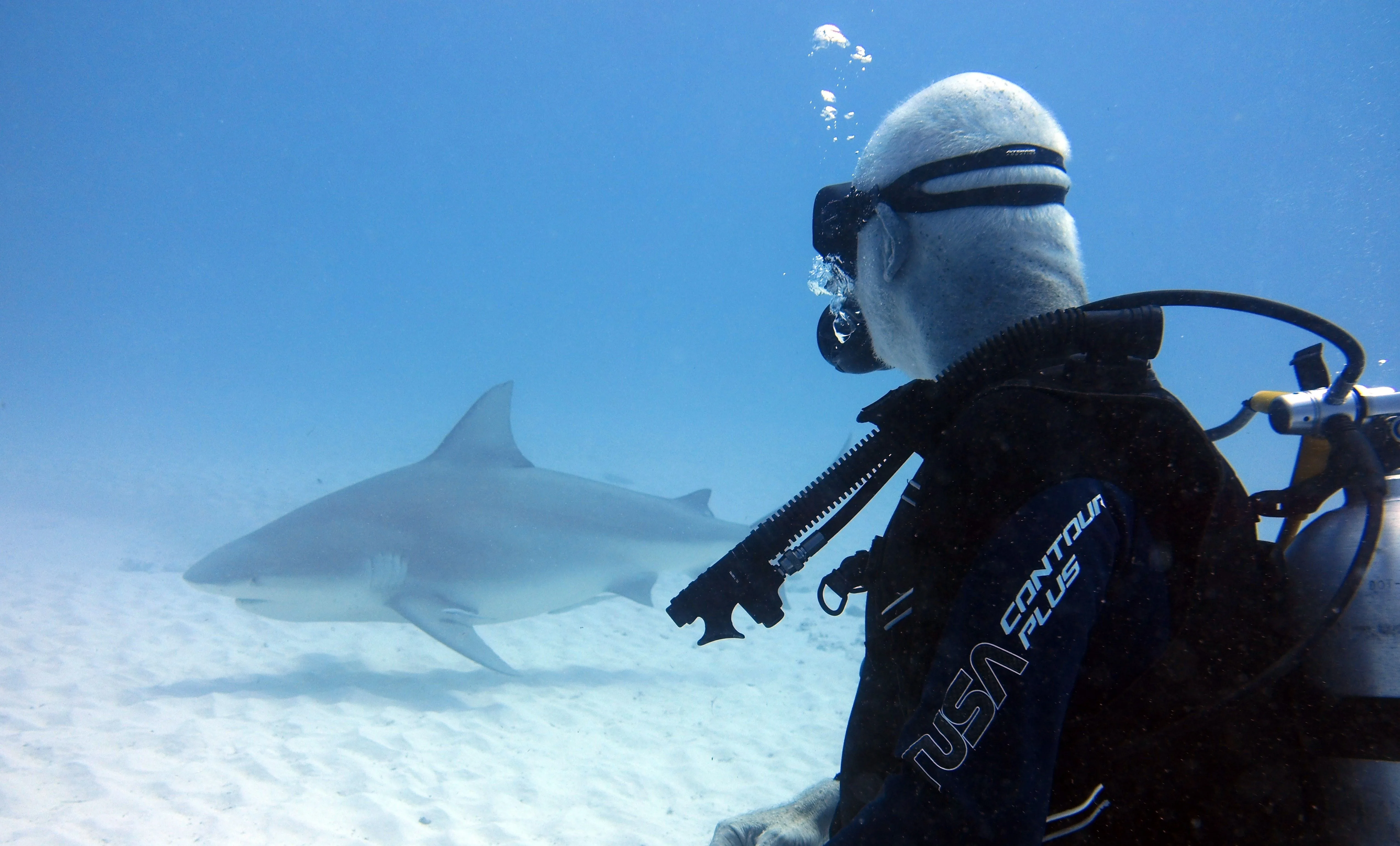
Ask a hundred divers why they got into the sport, and a surprising number will mention sharks. Not as something to fear, but as the reason they fell in love with the ocean in the first place. Yet the question still comes up at every dive shop counter, every dinner table conversation, every nervous first-timer's mind: is shark diving actually safe? It is a fair question, and one that deserves a real answer rather than a quick reassurance. If you are researching east coast diving in Sri Lanka, where encounters with reef sharks and the occasional whale shark are part of the appeal, this is exactly the kind of question worth working through before you book a trip.
The short answer is yes, shark diving is safe — far safer than most people assume, and statistically safer than driving to the dive site itself. But the longer answer involves understanding shark behaviour, knowing which species you are likely to meet, and choosing operators who take safety seriously. Let's get into it properly.
The Numbers Tell a Different Story Than the Headlines
Sharks have an image problem that has almost nothing to do with how they actually behave. Decades of dramatic films and breathless news coverage have built a creature in the public imagination that bears little resemblance to the animal divers actually encounter underwater. In reality, the overwhelming majority of shark species divers come across — reef sharks, nurse sharks, whale sharks, even the more imposing-looking grey reef sharks — show no interest in humans whatsoever. They are not hunting for people. People are not on the menu, and a diver's silhouette does not trigger predatory behaviour the way a struggling fish does.
Unprovoked shark bites worldwide number in the dozens each year, globally, across billions of human-ocean interactions. Compare that to the number of people who get injured driving to the beach, and the math becomes obvious. Most bites that do occur happen to surfers and swimmers in low-visibility water near shore, not to divers who are calm, visible, and submerged with proper gear. A diver underwater, breathing steadily and moving deliberately, looks nothing like prey to a shark. Sharks are curious, cautious animals, and curiosity is usually exactly what brings them close enough for an unforgettable photo.
What Actually Makes a Dive Risky
If sharks themselves are not the primary danger, what is? The honest answer is the same thing that makes any dive risky: poor planning, inexperienced guiding, or ignoring basic safety protocols. Currents that are stronger than expected, descending too fast, running low on air because nobody was tracking gauges properly — these are the things that actually cause problems on shark dives, just as they would on any other dive.
This is why operator choice matters more than almost anything else. A reputable shark diving operation will brief you thoroughly before you ever get in the water. They will explain the species you are likely to see, how those species typically behave, what body language from a shark might suggest it is time to give it more space, and what the dive plan looks like if conditions change. They will also know the local marine environment intimately, which matters because behaviour can vary by region, season, and even time of day.
Feeding-based shark dives, where operators use bait to draw sharks in close for tourists, carry a slightly different risk profile than dives where sharks are encountered naturally on a reef or near a known gathering site. Both can be done safely, but they require different levels of caution, and a well-run operation will be transparent with you about which type of experience you are booking and why their protocols are designed the way they are.
Why Sri Lanka Has Become a Quiet Favourite
While places like South Africa, Mexico, and Fiji tend to dominate the global conversation around shark encounters, Sri Lanka has been earning a reputation among divers who want something a little less crowded and a little more personal. Nilaveli diving in particular has become known for calm, clear water and reef systems that are still relatively untouched by the kind of heavy tourist traffic seen elsewhere in the region. The visibility here often stretches well beyond what divers get used to in busier destinations, which makes spotting reef sharks and other marine life feel less like a stroke of luck and more like a near-guarantee on a good day.
What makes the area particularly appealing for newcomers is the availability of PADI diving in Nilaveli, where certified instructors run courses and guided dives that follow internationally recognised safety standards. For anyone nervous about getting into the water near sharks for the first time, having an instructor who is trained to globally consistent protocols, rather than an informal local guide with no certification, makes a measurable difference in how safe and how enjoyable the experience actually feels.
A short distance away, diving in Trincomalee offers a slightly different flavour of the same coastline — deeper drop-offs, occasional pelagic visitors, and a harbour town atmosphere that feels a world away from the more polished dive resorts found elsewhere. Together, this stretch of coast gives divers a chance to experience genuine shark encounters without the crowds, the queues, or the heavily commercialised feel that can sometimes take the magic out of marine wildlife tourism.
Preparing Yourself, Not Just Trusting Your Gear
Good equipment matters, obviously. A well-maintained regulator, a properly fitted mask, a dive computer you actually know how to read under pressure — all of that is non-negotiable. But the single biggest factor in how safe your shark dive feels and actually is comes down to your own state of mind. Panic underwater is far more dangerous than any shark you are likely to meet. Erratic movement, rapid breathing, and sudden surfacing without proper decompression stops cause more injuries on dive trips than marine animals ever do.
This is why dive briefings matter so much, and why rushing through them to get into the water faster is such a mistake. Listen carefully, ask questions if something is not clear, and trust your instructor's read of the conditions on the day. If a guide decides to call off a dive because visibility has dropped or currents have picked up, that is not an inconvenience — that is the system working exactly as it should.
The Real Takeaway
Shark diving is safe when it is approached with the same respect any wild animal encounter deserves. The sharks are not the villains the movies made them out to be, and the ocean is not the dangerous gauntlet it is sometimes portrayed as. With a properly certified operator, a clear safety briefing, and a calm head, slipping into the water alongside one of the ocean's most misunderstood predators can be one of the most rewarding things a diver ever does. Choose your destination and your instructors carefully, listen to the people who know the water, and the fear you walked in with is likely to be replaced by something closer to wonder by the time you climb back onto the boat.