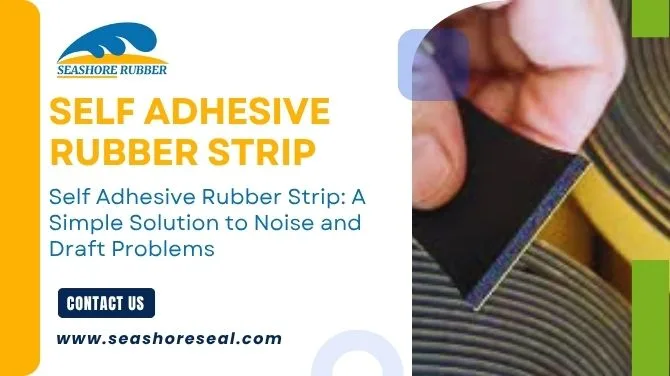
When it comes to maintaining comfort and energy efficiency in our homes, offices, and vehicles, one of the most common yet often overlooked problems is unwanted noise and drafts. These issues not only diminish the quality of living and working spaces but can also lead to increased energy costs. Fortunately, there is a straightforward and highly effective solution that has gained popularity in recent years: the self adhesive rubber strip.
In this comprehensive article, brought to you by Qingdao Seashore Industrial Co., Ltd., a leading manufacturer and supplier of rubber sealing products, we will explore how self adhesive rubber strips work, their benefits, applications, and why they are the ideal choice for anyone looking to tackle noise and draft problems efficiently. Whether you are a homeowner, business manager, or vehicle owner, understanding the advantages of this simple product could save you both comfort and money.
What is a Self Adhesive Rubber Strip?
To begin, let’s define what a self adhesive rubber strip is. At its core, it is a flexible rubber sealing material equipped with an adhesive backing that allows it to be easily applied to various surfaces without the need for additional glue or fasteners. The adhesive layer ensures that the rubber strip firmly adheres to doors, windows, and other gaps where noise and drafts usually infiltrate.
Typically crafted from durable materials such as EPDM (ethylene propylene diene monomer), silicone, or neoprene rubber, these strips are designed to withstand different weather conditions and mechanical wear. Their flexibility and resilience make them perfect for sealing purposes.
Common Problems: Noise and Drafts
Noise pollution is a growing concern, especially in urban areas, busy streets, and industrial zones. It can disrupt sleep, reduce concentration, and negatively impact mental well-being. Similarly, drafts from poorly sealed doors and windows allow cold or hot air to enter interiors, resulting in discomfort and increased reliance on heating or cooling systems, which raises utility bills.
Most buildings and vehicles face these issues at weak points such as door edges, window sashes, and ventilation gaps. Therefore, sealing these points effectively is paramount.
How Self Adhesive Rubber Strips Combat Noise and Drafts?
When properly applied, self adhesive rubber strips create an airtight and soundproof seal against unwanted external elements. Here’s how:
- Sealing Gaps: These strips fill the unavoidable gaps between door frames and walls or window edges. By acting as barriers, they prevent air leaks and block sound waves from passing through.
- Absorbing Vibrations: The rubber material dampens vibrations caused by external noise, reducing the sound energy that enters a room.
- Weather Resistance: Quality rubber profiles resist moisture, temperature extremes, and UV rays, maintaining their shape and effectiveness over long periods.
Simply put, installing these strips is a cost-effective measure with immediate and lasting results.
Advantages of Self Adhesive Rubber Strips
1. Easy Installation
Because of the pre-applied adhesive backing, the installation requires no special skills or tools. Users just need to clean the target surface, peel the protective layer from the adhesive, and apply the strip along the gap or edge. This simplicity appeals to both DIY enthusiasts and professional contractors.
2. Versatility
Self adhesive rubber strips come in various sizes, thicknesses, and designs (such as foam-filled, hollow, or solid rubber), making them adaptable for different applications. Whether sealing car doors, window frames, cabinet edges, or industrial enclosures, there’s a suitable option.
3. Cost-Effective
Compared to complicated noiseproofing or weatherproofing renovations, these strips offer an affordable solution with a great return on investment. Reduced heating and cooling costs alone make the purchase worthwhile.
4. Durability
Made from robust rubber compounds, these strips resist cracking, shrinking, and peeling for years, even when exposed to harsh environments.
5. Improved Energy Efficiency
By sealing drafts, they help maintain indoor temperature stability, enhancing HVAC efficiency and reducing energy consumption.
Applications of Self Adhesive Rubber Strip
- Residential Use: Sealing doors and windows to block drafts and noise from streets or neighborhoods.
- Automotive Industry: Used for door seals, trunk seals, and window seals to reduce wind noise and prevent water leaks.
- Commercial Buildings: Insulating conference rooms, server rooms, or office spaces where noise control is essential.
- Industrial Equipment: Providing vibration dampening and dust sealing on machinery and enclosures.
- Marine and RV: Protecting cabins and compartments from water ingress and noise disturbances.
Why Choose Qingdao Seashore Industrial Co., Ltd.?
As a leading supplier specializing in rubber sealing solutions, Qingdao Seashore Industrial Co., Ltd. offers a broad range of high-quality self adhesive rubber strips tailored to meet diverse customer needs. Our products are manufactured using premium materials and advanced extrusion and molding technologies ensuring optimum performance and longevity.
Moreover, our dedicated research and development team continuously innovates to enhance product functionality and environmental sustainability standards. Whether for bulk industrial orders or retail customers, we provide expert guidance and consistent support.
Conclusion
When noise and drafts threaten your comfort and energy bills, a self adhesive rubber strip provides a simple, efficient, and affordable solution. Its ease of installation, adaptability, and long-lasting performance make it a smart choice for a wide array of sealing challenges.
As you consider improving your living, working, or traveling spaces, remember that effective sealing is the first step toward a quieter, more energy-efficient environment. For quality products and professional service, Qingdao Seashore Industrial Co., Ltd. stands ready to meet your needs.
Frequently Asked Questions (FAQs)
1. What surfaces can self adhesive rubber strips be applied to?
They adhere well to most clean, dry, and smooth surfaces including wood, metal, glass, plastic, and painted walls.
2. Can self adhesive rubber strips be used outdoors?
Yes, especially those made from EPDM or silicone rubber, which resist UV rays, moisture, and temperature fluctuations.
3. How long does the adhesive last?
High-quality adhesives can maintain a strong bond for several years under normal conditions, but surface preparation is key for longevity.
4. Are self adhesive rubber strips reusable?
Generally, no. Once removed, the adhesive backing loses effectiveness, so a new strip is typically required.
5. How do I clean the surface before installation?
Use alcohol, cleaning solvents, or mild soap and water to remove dirt, oils, and grease. Ensure the surface is dry before applying the strip.
6. Will the rubber strip affect door/window operation?
If properly sized and installed, it should not interfere with closing or opening mechanisms but rather improve smooth operation by cushioning impacts.
7. Are these strips customizable?
Yes, many suppliers like Qingdao Seashore Industrial Co., Ltd. offer custom sizes, shapes, colors, and rubber compounds based on client specifications.